




















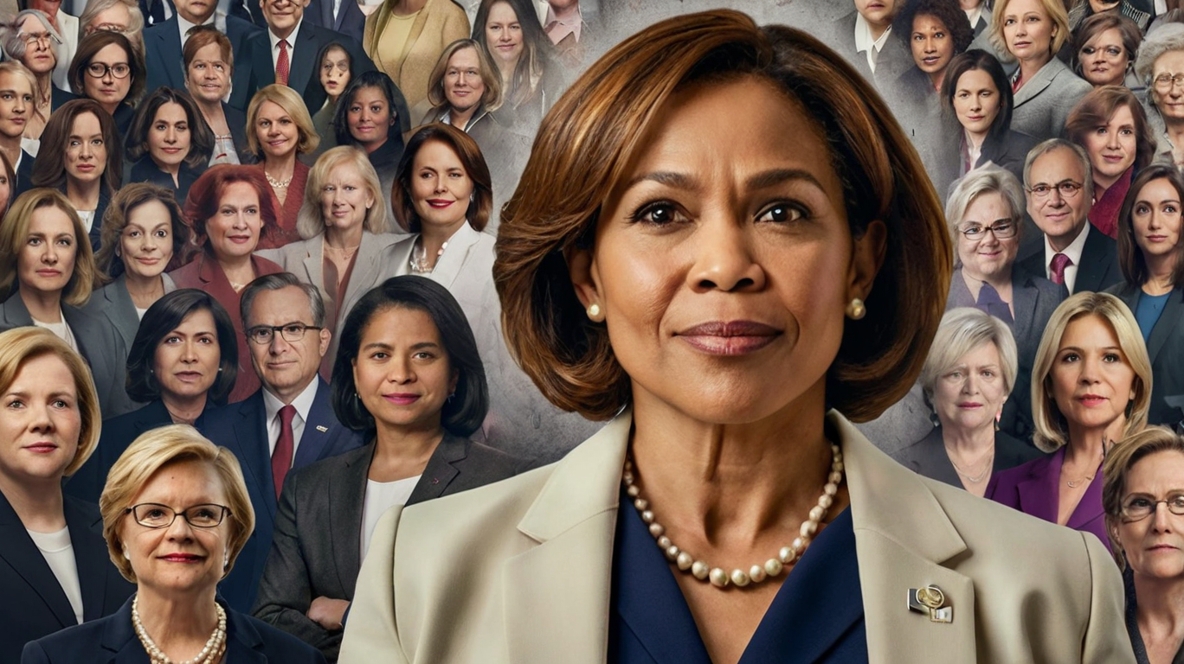
Women in Politics: Breaking Barriers in 2024, women are continuing to make significant strides in politics, breaking barriers and challenging long-held norms in political leadership. The road to gender equality in politics has been long and arduous, but today’s female leaders are taking bold steps to create a more inclusive and equitable political landscape. From local governance to international diplomacy, women are reshaping the way the world is governed, inspiring future generations to push the boundaries even further.
The Rise of Female Political Leaders in 2024
2024 has seen a surge in the number of women taking on prominent roles in government worldwide. Countries across Europe, Africa, Asia, and the Americas are electing female heads of state, and parliaments are becoming more gender-diverse than ever before. Women are increasingly present in key decision-making positions, from ministers to prime ministers, demonstrating that political leadership is no longer exclusively male-dominated.
Notable female leaders such as Finland’s Prime Minister Sanna Marin, New Zealand’s Jacinda Ardern, and the European Union’s Ursula von der Leyen have paved the way, showing that women are not only capable of leading but also of thriving in highly competitive political arenas. In 2024, they are joined by a new generation of women who are stepping into the spotlight.
Overcoming Challenges and Breaking Stereotypes
While progress is being made, women in politics continue to face significant challenges. Deep-rooted gender biases, lack of equal representation, and societal stereotypes still hinder women’s full participation in the political process. Studies have shown that women are often held to higher standards than their male counterparts, facing scrutiny not only for their policies but also for their personal lives, appearance, and demeanor.
To overcome these obstacles, female politicians have been forming strong networks and alliances. Women’s political organizations and advocacy groups play a critical role in supporting emerging female leaders, providing them with the resources and visibility needed to succeed. In addition, many male allies are now championing gender equality in politics, pushing for systemic changes that ensure women have equal access to political opportunities.
Policy Impact: Women’s Leadership on Gender Equality
One of the most significant impacts of women in politics is their commitment to advancing gender equality. Studies consistently show that female political leaders prioritize issues related to social justice, education, healthcare, and family welfare, all of which disproportionately affect women.
In 2024, women leaders are driving the agenda on gender parity through policies that promote equal pay, access to education, reproductive rights, and combatting violence against women. Their legislative efforts have led to groundbreaking reforms in various countries, ensuring that the next generation of women and girls can aspire to political leadership without the barriers that previous generations faced.
Women in Politics by the Numbers
According to the Inter-Parliamentary Union (IPU), global representation of women in national parliaments reached an all-time high of 26% in early 2024. While this is a positive trend, it also highlights the gap that still exists in achieving true gender parity in politics. Some regions have made more progress than others, with the Nordic countries consistently leading the way, boasting more than 40% female representation in their parliaments.
Despite these advancements, women remain underrepresented in executive roles and top government positions. In 2024, only 15% of countries have women as heads of state or government, showcasing the need for continued efforts to empower and support women in political leadership.
How Gender Equality in Politics Shapes Society
The push for gender equality in political leadership has far-reaching effects beyond the halls of government. When women hold political office, they bring diverse perspectives and life experiences that shape more inclusive policies. This representation can lead to a more equitable distribution of resources and services, benefiting marginalized communities that may be overlooked by traditional governance structures.
Additionally, having women in visible political roles helps to challenge societal norms and empowers young girls to envision themselves as future leaders. By breaking down gender barriers in politics, women contribute to creating a society where leadership is determined by merit, not gender.
Looking Ahead: The Future of Women in Politics
As we move through 2024, the momentum surrounding women in politics shows no signs of slowing down. With international organizations and governments committing to gender equality initiatives, the path for future female political leaders is becoming clearer. Efforts such as gender quotas in electoral systems, leadership training programs for women, and global campaigns promoting women’s participation in politics are setting the stage for even more breakthroughs in the years to come.