




















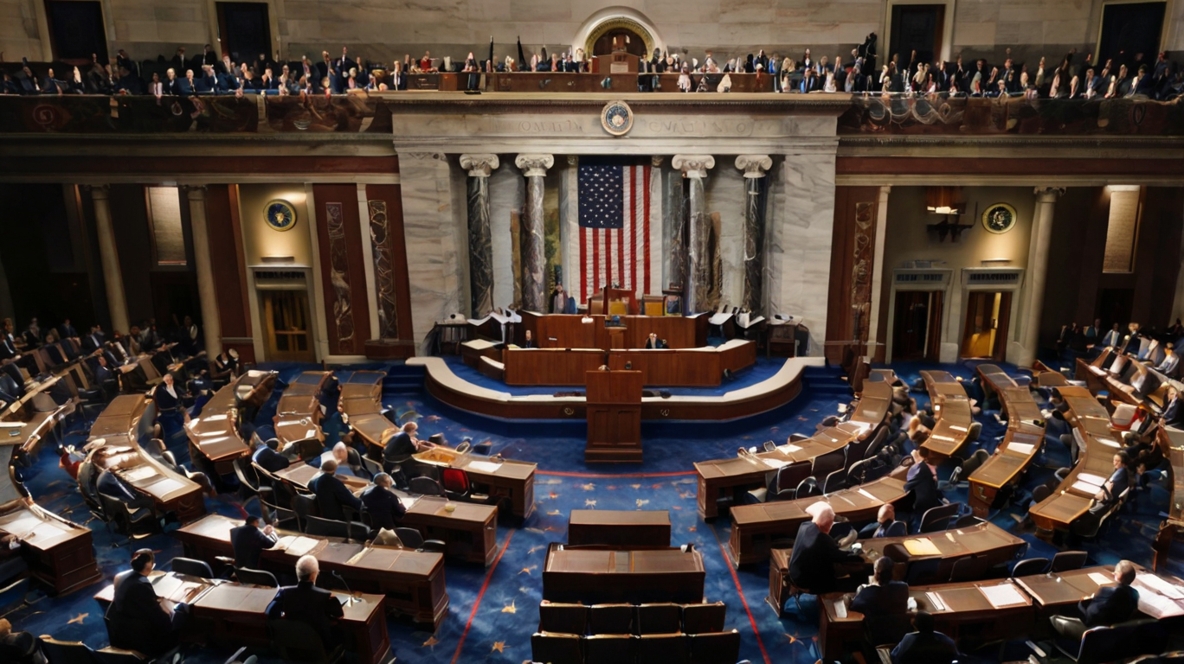
As Key Legislative Battles in the U.S. Congress 2024 , several critical legislative battles are shaping the nation’s political landscape. From climate change policies to healthcare reform, key issues are driving intense debates that will influence America’s future. In this article, we explore the top legislative priorities in the U.S. Congress and how they might impact the country.
1. Climate Change Legislation
Climate change continues to be a dominant political issue, and 2024 sees Congress taking up ambitious legislation to address the climate crisis. Lawmakers are debating several bills that propose to increase funding for renewable energy, establish stricter emissions regulations, and incentivize green infrastructure. These measures are part of the broader effort to meet the goals set by the Paris Agreement, which aims to limit global temperature rise.
Key legislative proposals include the Green Infrastructure Expansion Act and the Clean Energy Transition Fund, both of which aim to tackle climate-related challenges while promoting economic growth through sustainable industries. The debate will focus on how to balance environmental concerns with the economic impact on fossil fuel industries.
2. Healthcare Reform
Healthcare remains a highly contentious issue, with Congress expected to engage in battles over how to improve access and reduce costs. Discussions surrounding a public healthcare option are reigniting debates that could lead to significant changes in the healthcare system.
In 2024, proposals for expanding Medicare eligibility, reducing prescription drug costs, and addressing the healthcare needs of underserved communities are on the table. The Healthcare Affordability and Access Act is one such bill that aims to tackle the high cost of healthcare and provide more Americans with affordable options.
3. Voting Rights and Electoral Reform
Voting rights and electoral reform are at the forefront of the legislative agenda in 2024. With recent debates over election integrity and voting access, Congress is considering several bills that seek to enhance voting accessibility while addressing concerns about election security.
The Freedom to Vote Act and the Election Security Enhancement Act are among the key pieces of legislation being discussed. These bills aim to ensure fair elections by expanding voter access through early voting and vote-by-mail options, while also implementing stronger cybersecurity measures to protect against interference.
4. Immigration Policy
Immigration reform is another major legislative battle in 2024. Congress is expected to debate over how to manage the growing number of immigrants, asylum seekers, and undocumented residents in the U.S.
One of the significant proposals is the Comprehensive Immigration Reform Act, which addresses pathways to citizenship, border security, and reforms to the asylum system. The immigration debate will likely revolve around how to balance national security with humane treatment of immigrants, particularly in the context of border policies.
5. Gun Control Legislation
Gun control remains a hot-button issue, especially following recent incidents of gun violence. Congress is likely to engage in debates on how to strengthen gun safety laws while respecting the Second Amendment.
Proposed bills, such as the Gun Violence Prevention Act, seek to introduce universal background checks, implement “red flag” laws, and ban certain types of high-capacity firearms. The outcome of this legislative battle will be influenced by ongoing discussions about public safety and constitutional rights.
6. Economic Recovery and Inflation Control
As the U.S. continues to recover from the economic disruptions caused by the pandemic, inflation and economic recovery are critical concerns. Congress will likely prioritize legislation aimed at stabilizing the economy and addressing inflationary pressures.
The Inflation Reduction Act of 2024 proposes measures to curb inflation by stabilizing energy prices, improving supply chain efficiencies, and supporting small businesses. The debate on this issue is expected to be particularly heated as lawmakers attempt to balance fiscal responsibility with economic stimulus efforts.