




















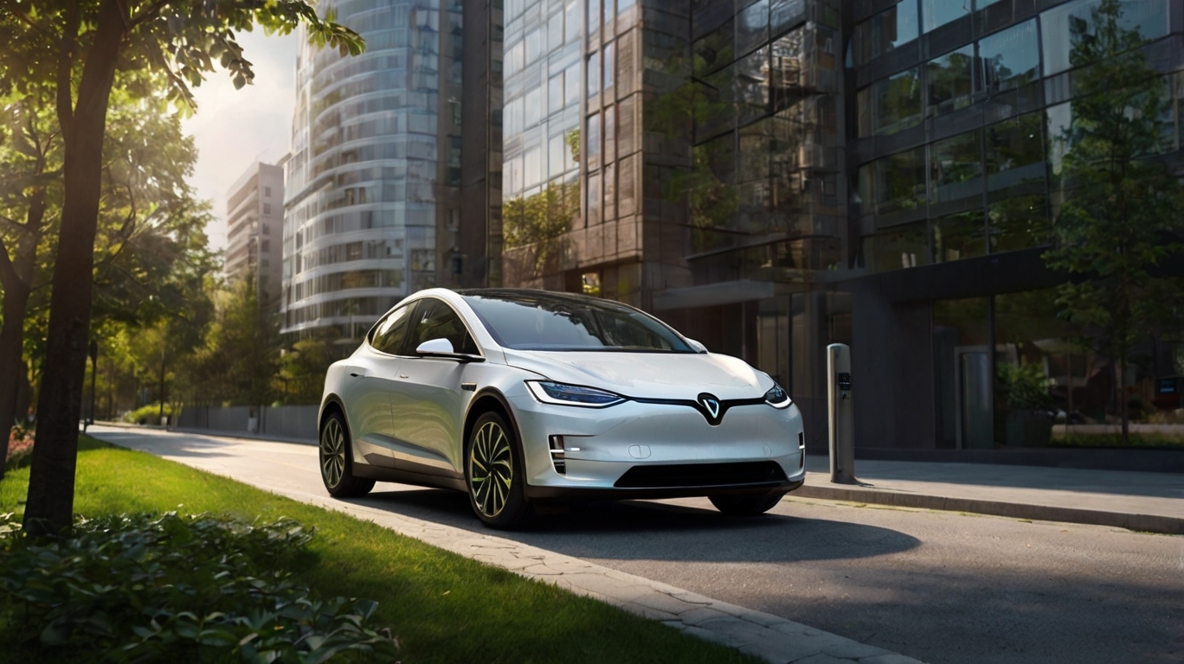
The automotive industry is undergoing a seismic shift, driven by the rapid growth of electric vehicles (EVs). With advancements in technology, growing environmental awareness, and government incentives, electric cars are no longer the vehicles of tomorrow—they’re the vehicles of today. In this article, we explore the rise of electric cars, the current EV market, and emerging electric vehicle trends that are shaping the future of transportation.
Why Electric Cars Are Taking Over
1. Environmental Benefits
One of the key drivers of the EV boom is the need to reduce carbon emissions. Electric vehicles produce zero tailpipe emissions, making them a cleaner alternative to traditional gas-powered cars.
- Reduced greenhouse gases: EVs help combat climate change by decreasing reliance on fossil fuels.
- Better air quality: Electric cars contribute to healthier urban environments.
2. Cost Savings
While the initial purchase price of an electric car can be high, owners benefit from lower running costs.
- Cheaper fueling: Electricity is more affordable than gasoline or diesel.
- Reduced maintenance: Fewer moving parts mean fewer repairs and longer-lasting components.
Key EV Market Trends in 2025
1. Increasing EV Adoption Rates
Global EV sales are skyrocketing, driven by consumer demand and supportive policies.
- Projections: Analysts predict that EVs will make up 40% of new car sales globally by 2030.
- Leading markets: China, Europe, and the United States are spearheading the adoption.
2. Advances in Battery Technology
Battery innovation is at the heart of the EV revolution.
- Higher energy density: New batteries provide longer ranges and faster charging.
- Solid-state batteries: These promise even greater efficiency and safety.
3. Expansion of Charging Infrastructure
The EV market is addressing one of its biggest hurdles: charging convenience.
- Public chargers: Networks are expanding in urban and rural areas alike.
- Home charging: Many homeowners are installing private chargers for convenience.
Government Policies and Incentives
Governments worldwide are supporting the EV transition with initiatives like:
- Tax credits and rebates: Encouraging consumers to buy electric cars.
- Emission regulations: Phasing out internal combustion engines in favor of EVs.
- Infrastructure investments: Funding the development of charging networks.
Challenges Facing the EV Market
Despite its rapid growth, the EV market faces obstacles:
- High upfront costs: Though decreasing, EVs are still pricier than conventional cars.
- Range anxiety: Fear of running out of charge remains a concern for some drivers.
- Resource limitations: The mining of key materials, like lithium, poses environmental and ethical challenges.
The Future of Electric Vehicle Trends
1. Autonomous Electric Vehicles
The fusion of electric power and autonomous technology is expected to redefine mobility. Self-driving EVs could dominate urban transportation by the 2030s.
2. EVs in Commercial Use
Electric trucks, vans, and buses are gaining popularity for logistics and public transit due to lower operating costs and environmental benefits.
3. Vehicle-to-Grid Technology
EVs could soon serve as energy storage systems, feeding electricity back into the grid during peak hours.
4. Personalized EV Experiences
AI-driven customization will enhance the driving experience, tailoring settings, navigation, and even entertainment to individual users.
Why You Should Consider an Electric Car
If you’re contemplating your next vehicle, here’s why an electric car is worth considering:
- Sustainability: Reduce your carbon footprint.
- Savings: Benefit from lower fuel and maintenance costs.
- Innovation: Enjoy cutting-edge technology and improved performance.