




















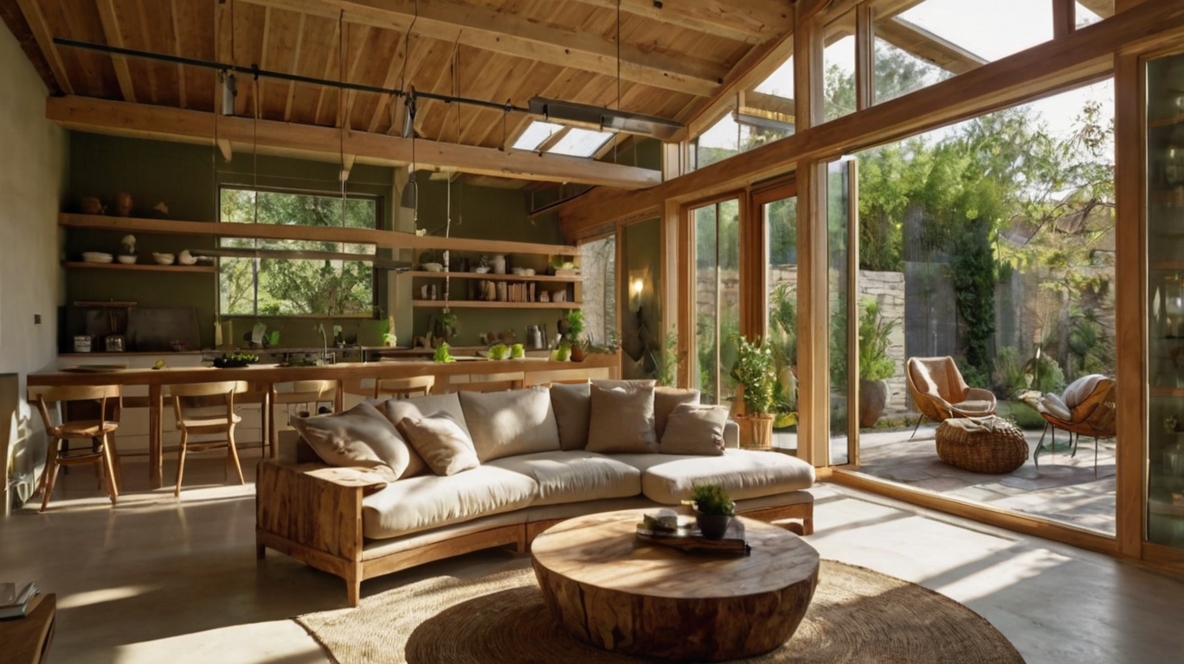
Living sustainably isn’t just a trend—it’s a necessity. As concerns about climate change and environmental conservation grow, more people are adopting eco-friendly practices to make a positive impact. Whether you’re building a new home or making small adjustments to your current living space, these sustainable living tips will help you create an eco-friendly home that’s good for you and the planet.
Why Eco-Friendly Homes Matter
Eco-friendly homes prioritize energy efficiency, waste reduction, and the use of sustainable materials. By embracing a greener lifestyle, you can:
- Save money: Lower utility bills through energy-efficient practices.
- Improve health: Reduce exposure to harmful chemicals.
- Protect the environment: Minimize your carbon footprint and conserve natural resources.
Top Sustainable Living Tips for Eco-Friendly Homes
1. Optimize Energy Efficiency
One of the most effective ways to make your home eco-friendly is to reduce energy consumption.
- Switch to LED bulbs: They use 75% less energy than incandescent bulbs and last longer.
- Install solar panels: Harness renewable energy to power your home.
- Upgrade insulation: Proper insulation reduces the need for heating and cooling, saving energy year-round.
Quick Tip: Use smart thermostats to monitor and control energy usage efficiently.
2. Choose Sustainable Building Materials
If you’re constructing or renovating your home, prioritize materials that are sustainable and non-toxic.
- Use bamboo or reclaimed wood: These materials are durable and eco-friendly.
- Opt for recycled steel or concrete: Great for construction with minimal environmental impact.
- Low-VOC paints: Reduce indoor air pollution by using paints with low volatile organic compounds.
3. Reduce Water Waste
Water conservation is essential for sustainable living.
- Install low-flow fixtures: Save water with efficient showerheads, faucets, and toilets.
- Harvest rainwater: Collect and reuse rainwater for gardening and cleaning.
- Fix leaks: Even minor leaks can waste significant amounts of water over time.
Pro Tip: Use native plants in your landscaping to minimize water use.
4. Embrace Renewable Energy Sources
Renewable energy is key to reducing dependence on fossil fuels.
- Solar energy: Use solar panels to generate electricity or heat water.
- Wind turbines: If you have space, small wind turbines can provide additional energy.
- Geothermal heating and cooling: A sustainable alternative to traditional HVAC systems.
5. Adopt a Zero-Waste Lifestyle
An eco-friendly home goes hand-in-hand with reducing waste.
- Compost organic waste: Turn food scraps into nutrient-rich compost for your garden.
- Recycle: Follow local recycling guidelines to ensure proper waste management.
- Buy in bulk: Reduce packaging waste by purchasing items in larger quantities.
6. Incorporate Smart Home Technology
Smart devices can help monitor and reduce your home’s energy and resource consumption.
- Smart lighting: Automatically turn off lights when not in use.
- Water usage monitors: Track and minimize your water consumption.
- Energy-efficient appliances: Look for ENERGY STAR-rated products.
The Benefits of Green Home Practices
By adopting sustainable living tips, you’ll enjoy numerous benefits:
- Financial savings: Reduced utility bills and long-term cost efficiency.
- Healthier environment: Improved air quality and fewer pollutants.
- Enhanced home value: Eco-friendly features make properties more attractive to buyers.