




















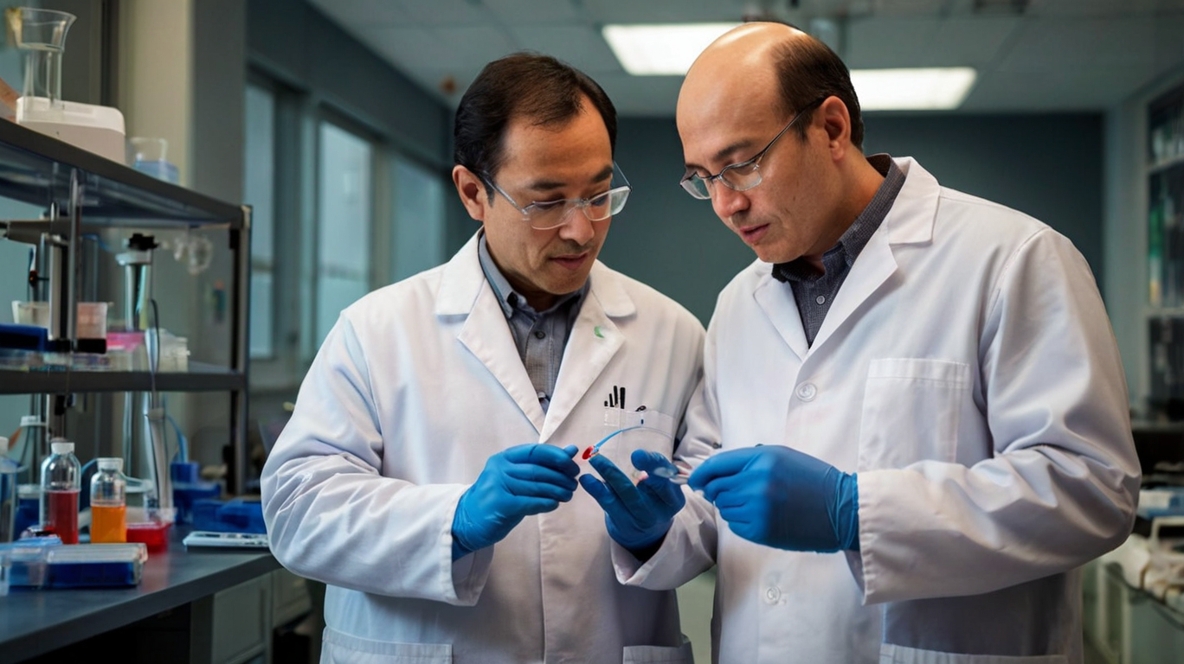
The Latest Breakthroughs in Stem Cell Research has made significant strides in recent years, offering promising solutions in regenerative medicine and revolutionizing the future of healthcare. These breakthroughs hold the potential to treat a variety of diseases and repair damaged tissues, making health innovation more impactful than ever.
What Are Stem Cells?
Stem cells are unique in their ability to develop into many different cell types in the body, from muscle cells to neurons. Their regenerative abilities make them crucial for medical research, especially for diseases where cell repair or replacement is essential.
Latest Breakthroughs in Stem Cell Research
- Stem Cells in Regenerating Heart Tissue Heart disease is one of the leading causes of death worldwide. Recent research has demonstrated that stem cells can regenerate damaged heart tissue, offering new hope for patients with heart failure. Scientists are working on ways to use stem cells to improve cardiac function, reduce scarring, and ultimately prolong life expectancy.
- Advances in Neurological Repair The potential for stem cells in treating neurological conditions like Alzheimer’s, Parkinson’s, and spinal cord injuries is becoming more promising. Researchers are experimenting with stem cell therapy to replace damaged neurons and restore brain function, potentially reversing the effects of neurodegenerative diseases.
- Personalized Medicine through Stem Cell Therapy One of the most exciting developments in stem cell research is the use of induced pluripotent stem cells (iPSCs). These cells are created from a patient’s own cells, reducing the risk of immune rejection. This advancement is paving the way for personalized regenerative treatments tailored to an individual’s genetic makeup.
- Stem Cells and Cancer Research Scientists are exploring how stem cells can target and destroy cancerous cells, particularly in hard-to-treat cancers like pancreatic and brain cancer. The ability to engineer stem cells that seek out and kill cancer cells could offer more effective, less invasive cancer therapies in the near future.
- Tissue Engineering and Organ Regeneration A groundbreaking achievement in stem cell research is the creation of lab-grown organs. Using stem cells, researchers have been able to grow tissues and organs like kidneys, livers, and lungs in the lab, which may eventually be used for transplants. This innovation could solve the global organ shortage crisis.
How Stem Cell Research Is Changing Healthcare
Stem cell research is revolutionizing medicine in three major ways:
- Faster Recovery and Healing: Stem cell therapy is being tested for faster healing in injuries such as bone fractures, muscle tears, and joint damage. This could shorten recovery times and reduce the need for invasive surgeries.
- Chronic Disease Treatment: Conditions such as diabetes, autoimmune disorders, and heart disease could be managed more effectively through stem cell therapies, offering better long-term health outcomes for patients.
- Improved Drug Testing and Development: Stem cells are used to model diseases, allowing researchers to test the effectiveness and safety of new drugs in a controlled environment before moving to human trials.
Challenges in Stem Cell Research
While the breakthroughs are promising, stem cell research faces challenges. Ethical concerns surrounding embryonic stem cell use, the high cost of treatment, and regulatory hurdles can slow progress. However, the continued development of alternative stem cell sources, like adult and induced pluripotent stem cells, helps mitigate some of these issues.
The Future of Stem Cell Research
The future of stem cell research is full of possibilities. As scientists continue to uncover new ways to harness stem cells, the potential applications in regenerative medicine, cancer therapy, and personalized healthcare are endless. With ongoing innovations, we may soon see stem cell treatments become mainstream, offering cures for previously untreatable conditions.
By staying updated on the latest developments in stem cell research, you are witnessing the dawn of a new era in medicine—one where health innovation and regenerative medicine are transforming lives. Whether for repairing damaged tissues, treating chronic illnesses, or offering new hope for incurable diseases, stem cell research holds the key to a healthier future.