




















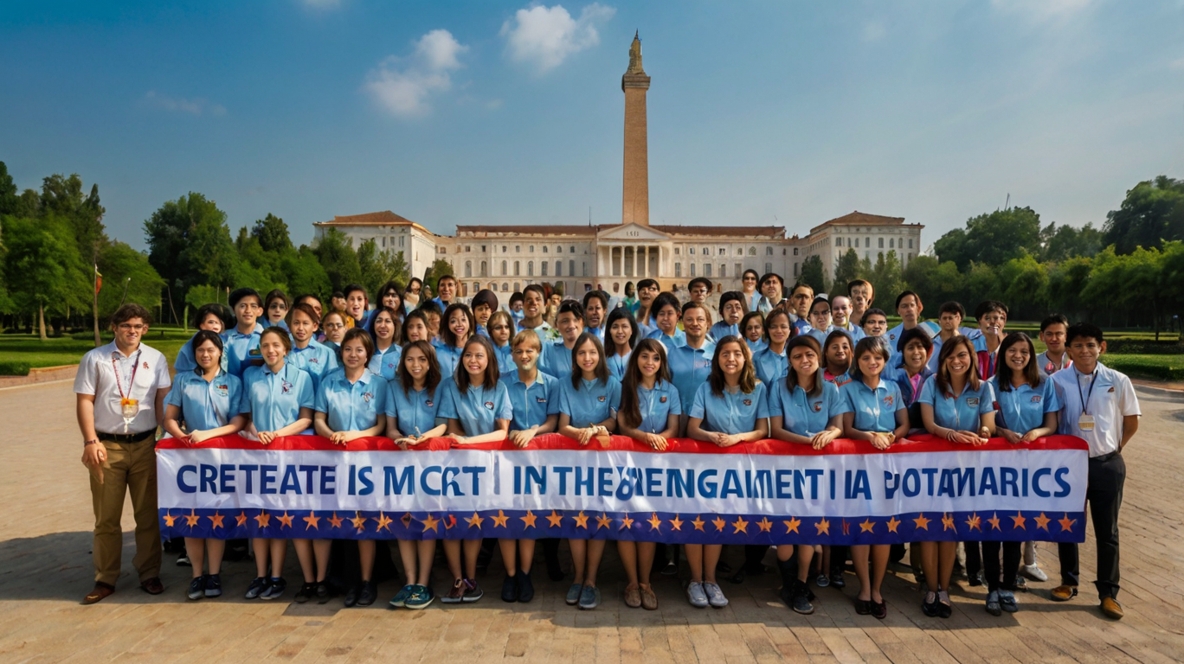
Youth Engagement in Politics: The Key to Strengthening Future Democracies
As we approach the next generation of leadership, youth engagement in politics has become more crucial than ever before. In recent years, young people have been at the forefront of social change, demanding political reforms and playing an increasingly vital role in shaping the future of democracies around the world. With young voters bringing fresh perspectives to key political debates, their involvement is essential for the continued health and evolution of democratic systems.
In this blog, we will explore the growing significance of youth political engagement and how young people are driving change in 2024 and beyond. From voting patterns to social movements, young voters are proving to be a powerful force that can shape the future of global politics.
The Importance of Youth Political Engagement
Youth political engagement is not a new phenomenon, but its impact has grown significantly in recent years. In 2024, the political landscape is shifting, and young people are increasingly at the center of this transformation. The stakes are high, as the future of democracies largely depends on the active participation of the next generation of leaders and voters.
1. Young Voters Are Reshaping Electoral Outcomes
One of the most visible signs of youth political engagement is the growing influence of young voters in elections. In recent years, there has been a significant increase in voter turnout among people aged 18 to 34, with young people playing a key role in national and local elections.
- 2020 U.S. Election: In the 2020 U.S. presidential election, young voters (particularly those aged 18-29) were one of the largest demographic groups to cast their ballots, making up 24% of the electorate. Their support was crucial in determining the outcome, particularly in battleground states like Georgia, Arizona, and Pennsylvania.
- Global Trends: Similarly, in countries around the world, youth participation has been on the rise. In European Union elections, youth-led political movements are increasingly driving pro-European Union sentiment and advocating for progressive policies on climate change, human rights, and social justice.
2. Youth-Led Movements for Social Change
Beyond elections, youth political engagement is also evident in the growing number of youth-led movements advocating for social change. Issues such as climate change, racial justice, economic inequality, and mental health have become central to the political agendas of young people around the world.
- Greta Thunberg and Fridays for Future: The global Fridays for Future movement, spearheaded by Greta Thunberg, has mobilized millions of young people to demand urgent action on climate change. This movement has had a direct impact on policy debates in many countries, pushing governments to adopt more aggressive climate policies.
- Black Lives Matter: The Black Lives Matter movement, which gained significant traction among young people in 2020, has focused attention on racial justice, police reform, and systemic inequality. Young activists have been key drivers in these protests, calling for real change and holding leaders accountable.
- Youth-Led Protests Around the World: From Hong Kong to Chile, Lebanon to France, youth-led protests continue to make headlines. Young people are demanding democratic reforms, economic opportunities, and accountability from their leaders.
3. The Power of Social Media in Mobilizing Young Voters
In 2024, social media has become an essential tool for youth political engagement. Platforms like Twitter, Instagram, TikTok, and Facebook are not only where young people consume news, but they are also where they organize, debate, and advocate for change. Social media has enabled young voters to become more informed and connected, making it easier to mobilize for causes they care about.
- Information Sharing: Social media allows young people to spread information quickly and engage in political discourse. For example, viral campaigns like #MeToo and #BlackLivesMatter have harnessed the power of social media to create awareness and drive real-world action.
- Online Activism: In addition to raising awareness, young people have used social media to organize protests, petitions, and fundraising campaigns. In many cases, these online efforts have translated into real-world political action, putting pressure on governments and corporations to adopt new policies.
- Influencing Political Campaigns: Social media is also playing an increasing role in political campaigns, with young candidates and political parties using digital platforms to engage directly with voters. Platforms like TikTok have become essential tools for political messaging, as they allow candidates to reach younger audiences in creative ways.
4. Shaping Policy on Key Issues
As young people become more politically engaged, their views are beginning to shape policy discussions on key issues. From climate change to universal healthcare, student debt to immigration reform, the concerns of young voters are driving the political agenda in many countries.
- Climate Change: A large percentage of young voters prioritize environmental issues. In the 2024 elections, climate change is expected to be a key issue, with many young people advocating for more aggressive government action to combat global warming.
- Universal Healthcare: Healthcare reform is another issue that resonates strongly with young voters. The high cost of education, student loan debt, and the need for affordable healthcare have made universal healthcare a central political debate for younger generations.
- Economic Inequality: Economic opportunities and income inequality are also at the forefront of youth political engagement. Young voters are pushing for policies that address wage stagnation, housing affordability, and job opportunities for future generations.
5. The Future of Democracy and Political Leadership
The future of democracy is intrinsically tied to youth political engagement. Young people today are not only voting but are also running for office, engaging in political activism, and challenging the status quo. As they continue to grow in influence, it is clear that the next generation of political leaders will be shaped by their experiences and values.
- Diverse Political Leadership: The next wave of political leaders is likely to be more diverse, progressive, and inclusive than ever before. Young people are advocating for leaders who represent a broader range of backgrounds, experiences, and beliefs.
- Global Impact: As more young people become involved in politics globally, we are likely to see a shift in priorities. Issues such as climate change, economic reform, and global inequality are likely to take center stage as the world confronts a range of interconnected challenges.
The Challenges of Youth Political Engagement
While youth political engagement is on the rise, challenges remain. Young people often face barriers to voting, such as voter ID laws, lack of access to polling stations, or disinformation. Additionally, there is a growing concern about political apathy among some youth segments, especially in the face of deep political polarization.
For youth political engagement to continue to grow, it is essential that governments, political parties, and civic organizations work to create inclusive and accessible pathways for young people to participate in the political process. This includes initiatives to educate young voters, improve voter accessibility, and combat disinformation on digital platforms.