




















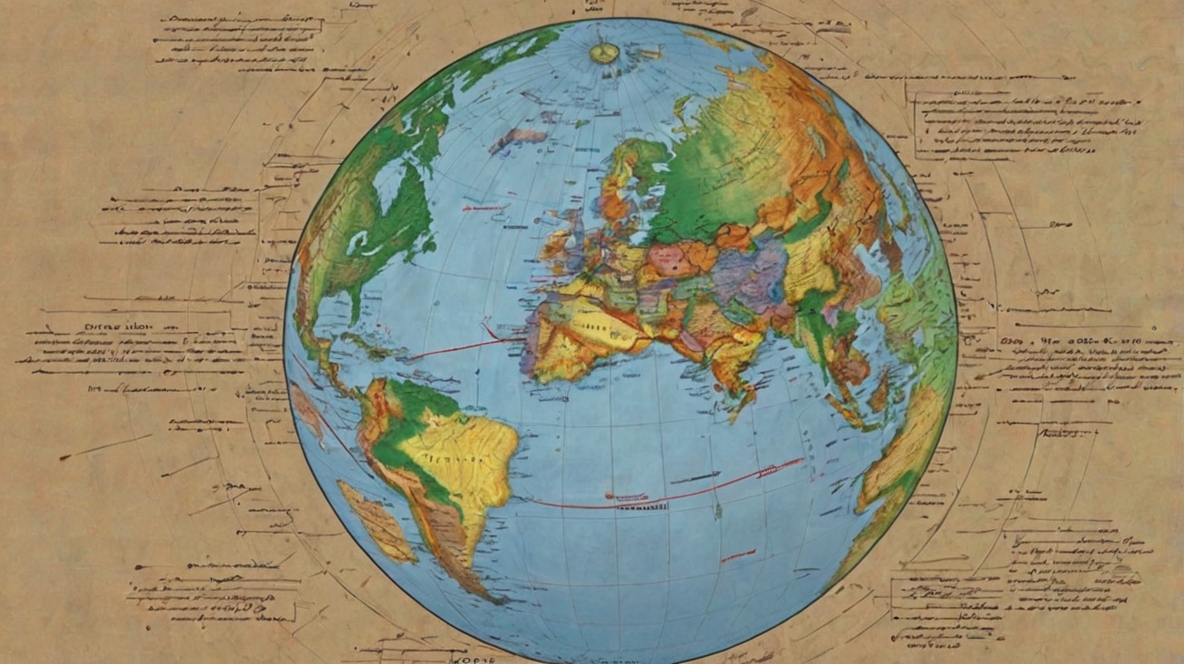
The world is witnessing significant Understanding Geopolitical Shifts in 2024 , reshaping global power dynamics and international politics. As nations realign their strategies, alliances are forming and dissolving, creating ripple effects across economic, military, and political spheres. Understanding these changes is crucial to grasp how the world’s future will unfold, especially for businesses, policymakers, and global citizens.
Key Geopolitical Trends in 2024
1. China’s Expanding Influence in Asia and Beyond
China continues its ascent as a global superpower in 2024. Its Belt and Road Initiative (BRI) has widened its sphere of influence across Asia, Africa, and Eastern Europe. Alongside aggressive technological advancements and military modernization, China is cementing its role as a dominant force in international politics. Its growing economic partnerships with countries like Russia, Iran, and several African nations signal a new geopolitical order that challenges U.S. dominance in the region.
2. The U.S. and the West: Navigating Shifts in Global Leadership
The United States, while maintaining its position as a key global power, is facing challenges in maintaining its influence in certain regions. With rising competition from China and internal political polarization, U.S. leadership is at a crossroads. Europe’s role is also shifting as the EU seeks to redefine its identity post-Brexit and amidst economic uncertainties. In 2024, Western countries are recalibrating their foreign policies to remain relevant in an increasingly multipolar world.
3. Russia’s Position Amid Western Sanctions
Russia’s geopolitical posture has been shaped by ongoing conflicts, notably in Ukraine, as well as enduring economic sanctions from the West. However, 2024 shows that Moscow is not isolated. Its strategic partnerships with China, Turkey, and some Middle Eastern nations indicate a shift in its foreign policy focus. Russia continues to assert its influence in energy markets and military operations in regions like the Middle East and Africa.
4. India’s Rising Geopolitical Clout
India, in 2024, is emerging as a pivotal player in global power dynamics. With a rapidly growing economy, advanced technological sector, and strong military capabilities, India is positioning itself as a counterbalance to China in Asia. Its relationships with Western nations, as well as its involvement in multilateral organizations like BRICS and the Quad, underscore its growing influence in shaping regional and international policies.
5. Middle East Realignments: Beyond Oil
The geopolitical landscape of the Middle East continues to evolve in 2024. The region is moving beyond its traditional oil-based power, focusing more on technological investments, economic diversification, and military partnerships. Saudi Arabia, Israel, and the UAE are increasingly forging new alliances with both Eastern and Western powers, recalibrating the region’s role in global geopolitics. Moreover, the ongoing Iran-U.S. tensions are reshaping the security and diplomatic landscape in the region.
The Role of Technology in Global Politics
The intersection of technology and geopolitics in 2024 is undeniable. With artificial intelligence (AI), cybersecurity, and space exploration becoming crucial areas of competition, nations are investing heavily in technological dominance. The U.S., China, and the EU are all vying for leadership in AI development, while cyber warfare and espionage are reshaping national security strategies.
Cybersecurity Threats and Global Power
Cyberattacks are becoming the preferred tool for nations to disrupt rivals without engaging in conventional warfare. The rise of state-sponsored hacking operations poses serious threats to governments and corporations, further complicating international relations. As a result, cybersecurity has become a top priority for countries in 2024, with major global players investing in defensive and offensive cyber capabilities.
The Impact on International Trade and Economics
Geopolitical shifts directly influence global trade and economic policies. The rise of protectionism, shifting trade alliances, and economic sanctions are reshaping global supply chains. In 2024, businesses and investors must navigate this complex landscape to remain competitive. The U.S.-China trade tensions, the impact of sanctions on Russia, and the growing economic influence of emerging markets like India and Brazil are critical factors affecting the global economy.
The Future of Global Alliances
International organizations such as NATO, the United Nations, and the World Trade Organization are adapting to these geopolitical shifts. Multilateral agreements and alliances are constantly evolving, reflecting the changing priorities of member states. In 2024, new regional organizations may emerge, particularly in Asia and Africa, where economic and political interests are aligning more closely.