




















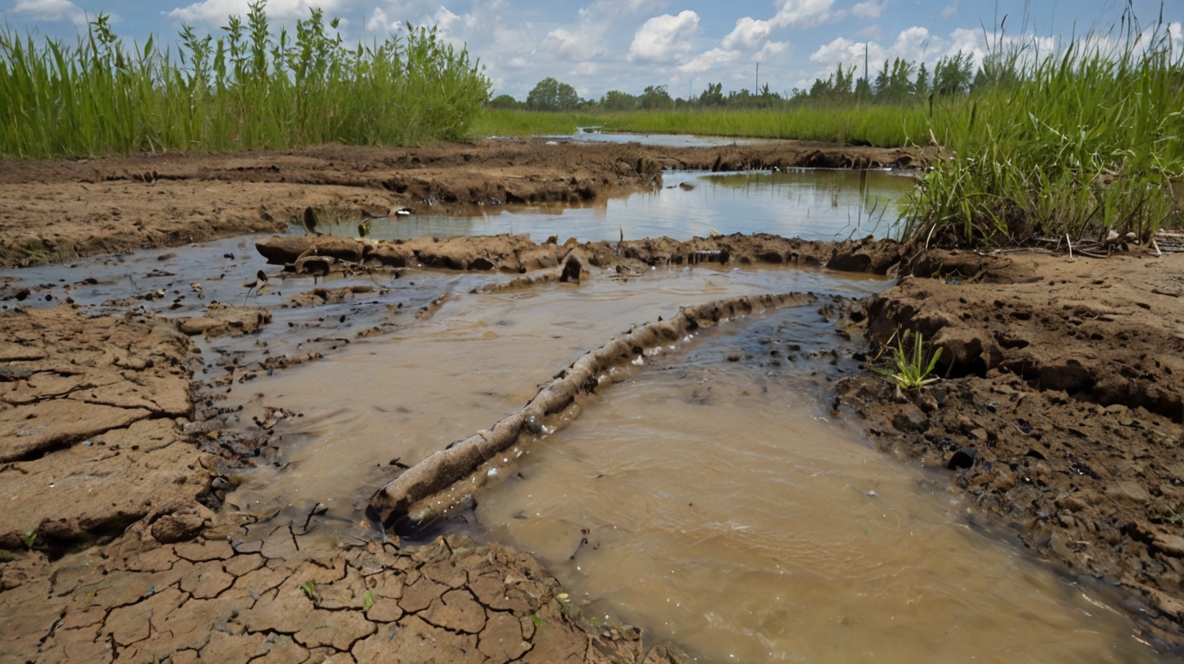
As the impacts of The Science of Climate Adaptation change become increasingly evident, the urgency to adapt and build resilient communities has never been greater. Climate adaptation—how communities adjust to changing environmental conditions—plays a pivotal role in safeguarding populations and ecosystems. By leveraging environmental science and sustainability practices, we can develop strategies to protect vulnerable communities and ensure a sustainable future.
What is Climate Adaptation?
Climate adaptation refers to the process of adjusting to current or expected changes in climate. Unlike mitigation, which focuses on reducing greenhouse gas emissions, adaptation emphasizes preparing for the inevitable impacts of climate change, such as extreme weather events, rising sea levels, and shifting ecosystems.
Why is Climate Adaptation Important?
Global warming is already reshaping our environment, affecting everything from agriculture to infrastructure. Without adequate adaptation measures, communities face increased risks of food insecurity, economic instability, and public health crises. Climate adaptation efforts are crucial for:
- Reducing Vulnerabilities: Communities, particularly those in low-lying coastal areas or arid regions, are at greater risk. Adaptation helps mitigate these vulnerabilities by improving infrastructure and resource management.
- Promoting Economic Stability: By implementing sustainable practices, we can avoid economic losses caused by climate-induced disasters.
- Safeguarding Public Health: Heatwaves, floods, and other climate-related events directly affect public health. Adaptation measures can reduce the spread of diseases and improve healthcare responses.
Strategies for Building Resilient Communities
- Implementing Sustainable Infrastructure Resilient infrastructure is vital in climate adaptation. Designing buildings that can withstand extreme weather events, upgrading transportation networks, and reinforcing water and energy systems are key components of resilience. For instance, cities prone to flooding can implement green infrastructure solutions like rain gardens, permeable pavements, and constructed wetlands to manage stormwater more effectively.
- Improving Water Resource Management Water scarcity and unpredictable rainfall patterns are increasingly common due to climate change. By improving water resource management, communities can ensure a reliable water supply even during droughts. This includes modernizing irrigation systems, implementing rainwater harvesting, and encouraging water conservation in urban areas.
- Promoting Ecosystem-Based Adaptation Ecosystem-based adaptation (EbA) leverages nature to combat climate impacts. Restoring wetlands, mangroves, and forests helps buffer against flooding, sequesters carbon, and preserves biodiversity. Communities that prioritize ecosystem health are better equipped to handle extreme weather and environmental changes.
- Enhancing Early Warning Systems Technological advancements in weather forecasting can help communities prepare for climate hazards. Early warning systems for hurricanes, floods, and heatwaves give populations critical time to evacuate or take protective measures. Investing in these systems is vital for minimizing damage and loss of life.
- Fostering Social and Economic Resilience Beyond physical infrastructure, resilient communities also need to focus on social and economic factors. Policies that promote education, healthcare access, and income diversification help individuals and families withstand the economic shocks of climate-related disasters. A well-prepared, educated population is better positioned to respond to and recover from climate events.
The Role of Environmental Science in Climate Adaptation
Environmental science provides the foundation for understanding climate risks and developing adaptive strategies. Scientists use data on temperature changes, weather patterns, and ecosystem health to predict future climate scenarios and identify which regions are most vulnerable. This information informs government policies, urban planning, and community initiatives aimed at strengthening resilience.
Some key areas where environmental science intersects with climate adaptation include:
- Urban Heat Island Effect: Research on urban heat islands (UHIs) shows how cities with less greenery and more concrete experience higher temperatures than rural areas. Adaptation strategies like increasing green spaces and reflective roofing can reduce UHI impacts and improve urban livability.
- Coastal Erosion and Sea Level Rise: Environmental science helps coastal communities understand the risks of rising sea levels and coastal erosion, prompting the creation of protective barriers or strategic relocation efforts.
Global Examples of Successful Climate Adaptation
Several communities around the world have implemented successful climate adaptation measures, setting an example for others:
- The Netherlands: Known for its innovative flood management, the Netherlands has embraced climate adaptation with large-scale projects like “Room for the River,” which creates natural floodplains to manage excess water.
- Bangladesh: With frequent floods and cyclones, Bangladesh has developed community-based early warning systems, built cyclone shelters, and promoted floating agriculture to adapt to changing environmental conditions.
- New York City: After Hurricane Sandy, NYC launched a $20 billion climate resilience plan, investing in green infrastructure, coastal protection, and emergency preparedness to protect against future storms.
How You Can Contribute to Building Resilient Communities
While large-scale infrastructure projects and policy changes are crucial, individuals can also play a role in climate adaptation:
- Support Local Sustainability Initiatives: Participate in community projects focused on reducing energy consumption, planting trees, or promoting water conservation.
- Stay Informed: Keep up with local climate risks and be prepared for potential emergencies by having an evacuation plan and emergency kit.
- Advocate for Change: Support policies that promote climate adaptation and resilience at the local, national, and global levels.