



















The Science of Aromatherapy, the art and science of using natural plant extracts for therapeutic purposes, has been practiced for centuries. Essential oils, the cornerstone of aromatherapy, are believed to offer a wide range of benefits, from reducing stress to improving sleep and boosting immunity. In this blog, we will explore the science behind aromatherapy, its numerous benefits, and how it can be applied in everyday life.
What is Aromatherapy?
Aromatherapy is a holistic healing treatment that uses natural plant extracts, particularly essential oils, to promote health and well-being. These oils are extracted from various parts of plants, including flowers, leaves, bark, and roots, and they carry the essence or “aroma” of the plant. When inhaled or applied to the skin, these oils stimulate the brain and body to produce therapeutic effects.
The practice of aromatherapy taps into the connection between scent and the brain, particularly the limbic system, which is responsible for emotions, memory, and mood regulation. This is why certain smells can instantly calm your nerves or uplift your spirits.
The Science Behind Aromatherapy
The effectiveness of aromatherapy lies in the complex interaction between the olfactory system (sense of smell) and the brain. When essential oils are inhaled, aromatic molecules travel through the nasal passages, activating smell receptors that send signals to the brain. This activates the limbic system, which is directly connected to mood, emotions, and behavior.
In addition to the olfactory benefits, some essential oils contain chemical compounds that have been shown to possess anti-inflammatory, antibacterial, or antifungal properties. These compounds may interact with the body in different ways when applied topically, leading to a range of physical health benefits.
Top Benefits of Aromatherapy
- Reduces Stress and Anxiety
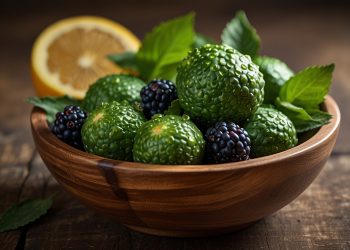
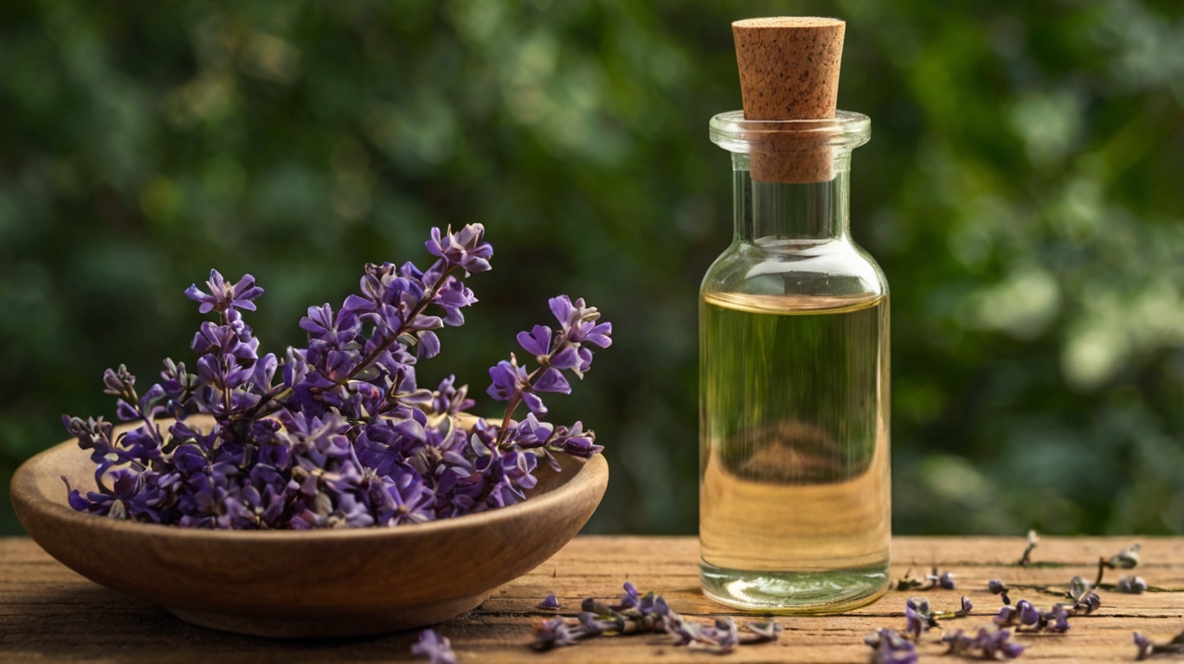
One of the most popular uses of aromatherapy is its ability to alleviate stress and anxiety. Essential oils such as lavender, chamomile, and bergamot have been shown to have calming effects, reducing cortisol levels (the stress hormone) in the body. Diffusing these oils or adding them to bathwater can create a relaxing environment that promotes mental well-being. - Improves Sleep Quality
Struggling with insomnia or restless nights? Aromatherapy can help improve sleep quality. Lavender and sandalwood are particularly effective in promoting relaxation and improving the duration and quality of sleep. By reducing anxiety and calming the nervous system, these oils help prepare the body for a restful night. - Boosts Immunity
Certain essential oils, such as eucalyptus and tea tree, contain antiviral and antibacterial properties that can strengthen the immune system. Inhaling these oils through steam inhalation or diffusing them in the air can help fend off common colds and infections by cleansing the air and supporting respiratory health. - Relieves Pain and Inflammation
Aromatherapy is often used as a complementary treatment for pain management. Essential oils like peppermint and eucalyptus have cooling and anti-inflammatory properties that make them effective for alleviating muscle pain, headaches, and joint inflammation. When diluted with a carrier oil, these essential oils can be applied directly to the skin for relief. - Enhances Mood and Mental Clarity
Citrus-based essential oils like lemon, orange, and grapefruit are known for their mood-boosting properties. These oils can invigorate the senses and help increase mental clarity and focus. Diffusing these oils in the morning or during work hours can promote alertness and improve overall cognitive function.
Applications of Aromatherapy
Aromatherapy can be used in a variety of ways, making it accessible for everyday life. Here are some common methods to integrate essential oils into your routine:
- Diffusers
Using a diffuser to disperse essential oils into the air is one of the simplest and most effective ways to experience the benefits of aromatherapy. Ultrasonic or heat-based diffusers release aromatic vapor into the room, promoting a calming or energizing environment depending on the oils used. - Massage Therapy
Essential oils can be diluted with carrier oils (such as coconut or jojoba oil) and used in massages to promote relaxation, relieve muscle tension, or alleviate pain. This combination of aromatherapy and touch therapy can significantly enhance its healing effects. - Bathing
Adding a few drops of essential oils to your bathwater can create a spa-like experience at home. Oils such as lavender or chamomile help soothe tired muscles, relieve stress, and promote better sleep. - Topical Application
Essential oils can be applied directly to the skin when diluted with carrier oils. They are commonly used in skin care products to promote healthy skin, relieve acne, and reduce inflammation. However, it’s essential to perform a patch test to avoid allergic reactions. - Inhalation
Steam inhalation is a powerful way to clear the sinuses and support respiratory health. Simply add a few drops of eucalyptus or peppermint oil to hot water, cover your head with a towel, and breathe in the steam to relieve congestion and improve breathing.