




















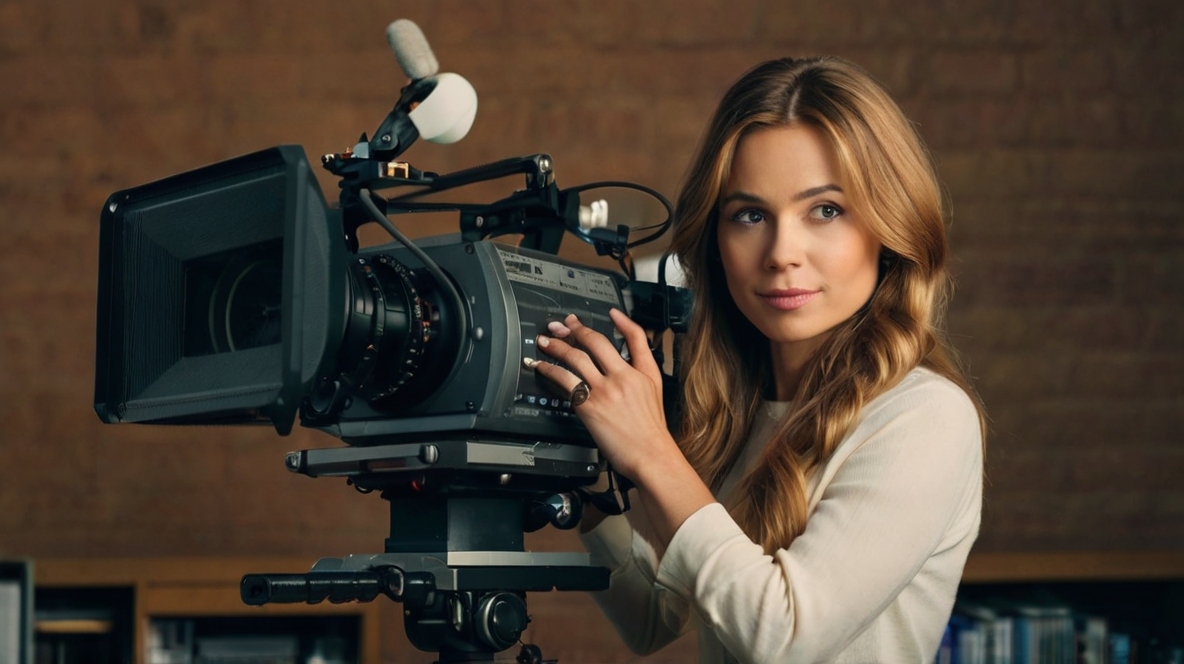
In the dynamic world of cinema, The Role of women in the Film Industry have long played crucial roles both on-screen and behind the scenes. From acting to directing, producing to screenwriting, their contributions have shaped narratives, challenged stereotypes, and influenced audiences worldwide. This article explores the evolving role of women in the film industry, highlighting their achievements, challenges, and the strides towards greater inclusivity.
1. Historical Perspective: Historically, women in the film industry faced significant barriers. Early Hollywood often relegated them to stereotypical roles or sidelined them in creative decision-making. However, trailblazers like Dorothy Arzner, who became the first woman to direct a Hollywood film in the 1930s, began paving the way for future generations.
2. Breaking Stereotypes: Over the decades, women have defied stereotypes both in front of and behind the camera. Actresses such as Meryl Streep and Viola Davis have garnered acclaim for their diverse portrayals, challenging traditional notions of women’s roles. Directors like Kathryn Bigelow have shattered glass ceilings, proving that women can helm blockbuster films and receive critical acclaim.
3. Advocacy and Representation: Advocacy groups and initiatives have been instrumental in promoting gender equality in film. Organizations like Women in Film advocate for greater representation of women in all aspects of filmmaking, from production to distribution. The #MeToo movement sparked crucial conversations about gender dynamics and power imbalances in the industry, leading to calls for systemic change.
4. Triumphs and Challenges: Despite notable successes, challenges persist. Women filmmakers often face barriers in securing funding and distribution for their projects. Gender disparity in pay and opportunities remains a concern, with women typically receiving fewer opportunities than their male counterparts. However, initiatives like gender quotas and diversity initiatives aim to level the playing field.
5. Shaping Future Narratives: The future of the film industry increasingly belongs to women. Emerging filmmakers like Greta Gerwig and Ava DuVernay are reshaping storytelling, bringing fresh perspectives and voices to the screen. Platforms like Netflix and Hulu provide avenues for diverse storytelling, allowing women creators to reach global audiences with their unique narratives.
6. Call to Action: As audiences, industry professionals, and supporters of equality, there’s a role for everyone to play in fostering inclusivity. Supporting films created by women, advocating for diverse representation in film festivals, and demanding equitable opportunities are crucial steps towards a more inclusive industry.