




















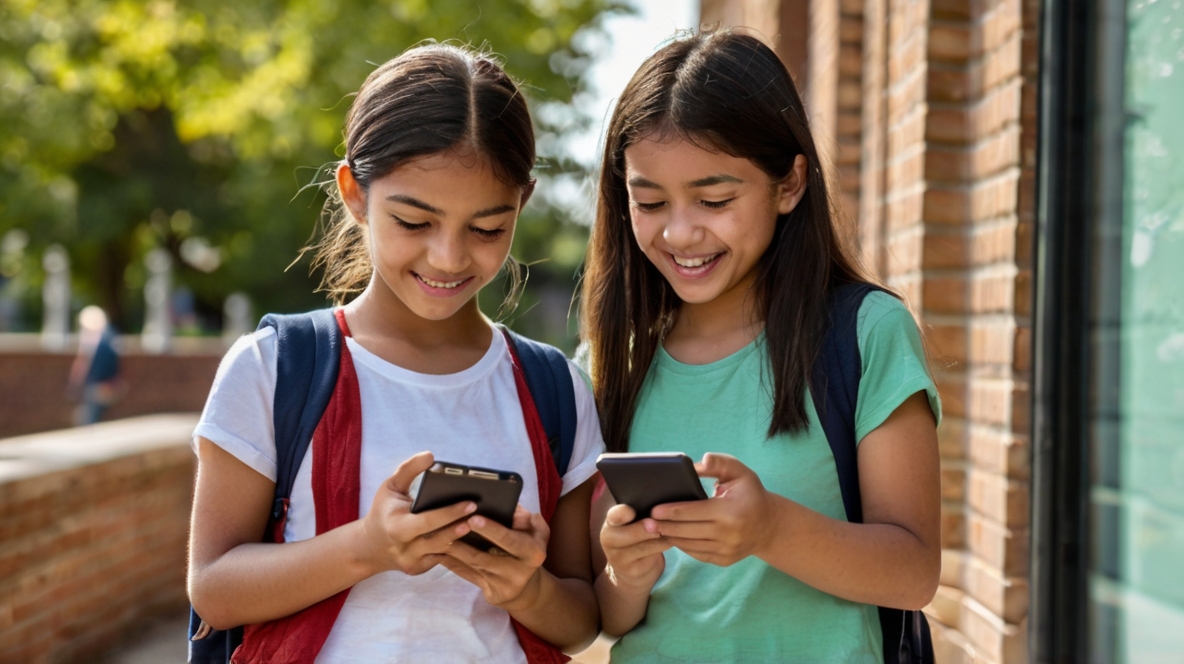
In recent years, The Role of Mobile Phones in Education have become indispensable tools in various aspects of our lives, including education. As educational technology continues to evolve, the role of mobile phones in education has expanded, transforming how students learn and interact with information. In this 2024 update, we will explore the growing significance of mobile phones in education, the benefits and challenges they present, and how they are shaping the future of learning.
The Rise of Mobile Phones in Education
Mobile phones have transcended their traditional role as communication devices, becoming essential tools for learning. With advancements in educational technology, mobile phones have become portable classrooms, providing students with access to a vast array of resources and learning materials. From interactive apps to online courses, mobile phones in education have revolutionized the way students engage with content.
In 2024, the integration of mobile phones in education is more prevalent than ever. Educational institutions worldwide are adopting mobile-friendly platforms, allowing students to access course materials, submit assignments, and participate in discussions directly from their smartphones. This shift towards mobile learning is driven by the need for flexibility, accessibility, and personalized learning experiences.
The Benefits of Using Mobile Phones for Learning
The use of mobile phones for learning offers numerous benefits that enhance the educational experience:
- Accessibility and Convenience: Mobile phones provide students with 24/7 access to educational content, allowing them to learn at their own pace and from any location. This is particularly beneficial for students in remote or underserved areas, where access to traditional educational resources may be limited.
- Personalized Learning: Educational smartphones enable personalized learning experiences by allowing students to tailor their study schedules and learning methods to their individual needs. With the help of apps and online platforms, students can choose from a wide range of resources that cater to their specific interests and learning styles.
- Interactive Learning: Mobile phones in education facilitate interactive learning through multimedia content, gamification, and virtual simulations. These tools make learning more engaging and enjoyable, helping students retain information more effectively.
- Collaboration and Communication: Mobile phones enable seamless communication and collaboration among students and educators. With the help of messaging apps, video conferencing, and collaborative platforms, students can work together on projects, share ideas, and seek assistance from teachers, regardless of their physical location.
- Access to a Wealth of Information: The internet is a vast repository of knowledge, and mobile phones provide students with instant access to this information. Whether they are conducting research, seeking clarification on a topic, or exploring new subjects, students can find the information they need at their fingertips.
Challenges of Mobile Phones in Education
While the benefits of using mobile phones for learning are undeniable, there are also challenges that need to be addressed:
- Distractions: One of the primary concerns regarding the use of mobile phones in education is the potential for distractions. Social media, games, and other non-educational apps can divert students’ attention away from their studies.
- Digital Divide: Not all students have equal access to mobile phones and reliable internet connections. This digital divide can exacerbate educational inequalities, particularly in low-income communities.
- Privacy and Security: The use of mobile phones for learning raises concerns about privacy and data security. Educational institutions must implement robust measures to protect students’ personal information and ensure safe online learning environments.
- Dependence on Technology: Over-reliance on mobile phones and technology can lead to a reduction in critical thinking and problem-solving skills. It is important to strike a balance between traditional learning methods and the use of educational technology.
The Future of Educational Smartphones
As we move further into the digital age, the role of mobile phones in education is expected to continue expanding. Educational technology will likely become more sophisticated, with the integration of artificial intelligence, augmented reality, and other emerging technologies. These advancements will further enhance the capabilities of educational smartphones, making them even more powerful tools for learning.