




















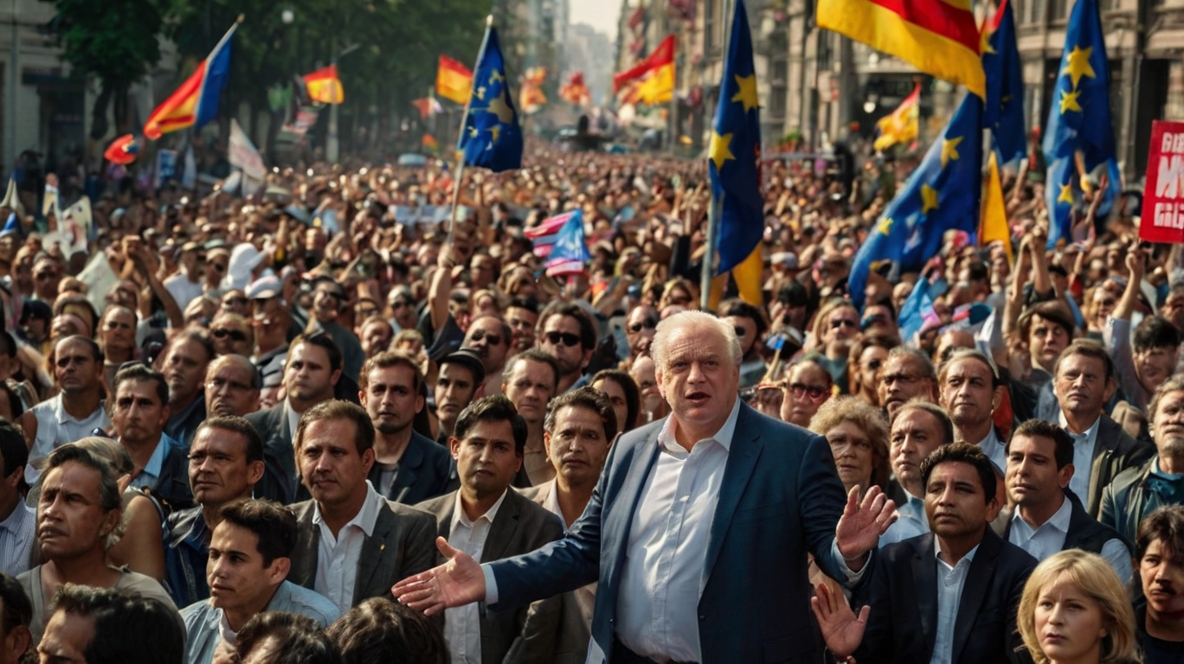
In recent years, The Rise of populism has surged across the globe, reshaping political landscapes, influencing elections, and challenging traditional governance structures. As we step into 2025, the influence of populist leaders, nationalist movements, and anti-establishment rhetoric continues to grow. But what is driving this global shift, and what does it mean for the future of democracy?
Understanding Populism: A Political Phenomenon
Populism is a political ideology that positions “the people” against “the elite.” It often emerges in times of economic instability, social unrest, and political dissatisfaction. Populist leaders—whether from the right or left—capitalize on public frustrations, promising radical change and direct action.
While populism can take different forms, it generally shares these key characteristics:
- Anti-Establishment Sentiment: A distrust of political elites, mainstream media, and institutions.
- Nationalism: A focus on national identity, protectionist policies, and resistance to globalization.
- Charismatic Leadership: Strong, often controversial figures who claim to represent “the true voice of the people.”
- Polarization: A division between “us” (the people) and “them” (politicians, corporations, immigrants, etc.).
The Rise of Populism in 2025: Key Drivers
Several factors are fueling the populist wave in 2025:
1. Economic Uncertainty
Post-pandemic recovery, inflation concerns, and job insecurity have intensified economic anxieties. Populist leaders exploit these fears by advocating protectionist policies, anti-globalization rhetoric, and promises of economic nationalism.
2. Nationalism and Anti-Globalization Sentiments
Many populist movements thrive on nationalistic ideologies, promoting sovereignty over international cooperation. As immigration debates intensify and trade wars persist, nationalist sentiments are gaining momentum.
3. Declining Trust in Democratic Institutions
Across the world, people are losing faith in traditional political parties and democratic processes. Accusations of corruption, election fraud, and media manipulation have fueled a crisis of democracy, making populist alternatives more appealing.
4. The Role of Social Media and Digital Influence
Social media has become a battleground for populist movements. Platforms like X (formerly Twitter), Facebook, and TikTok amplify anti-establishment messages, spreading viral misinformation and mobilizing grassroots support.
Populism Around the World: A Regional Breakdown
- United States: The political landscape remains polarized, with populist figures influencing both conservative and progressive movements.
- Europe: Far-right nationalist parties continue to gain traction, particularly in countries facing immigration challenges.
- Latin America: Left-wing populism is resurging, as leaders advocate economic reform and anti-neoliberal policies.
- Asia: Nationalist leaders push for economic self-sufficiency and regional dominance, challenging global alliances.
Is Democracy in Crisis? The Future of Global Politics
With populism on the rise, many experts fear for the future of democracy. While populist movements claim to represent the will of the people, they often undermine democratic institutions, weaken checks and balances, and foster authoritarian tendencies.
However, not all populism is inherently negative. Some argue it brings political engagement, challenges corruption, and forces much-needed reforms. The key challenge for 2025 will be balancing populist demands with the preservation of democratic principles.