




















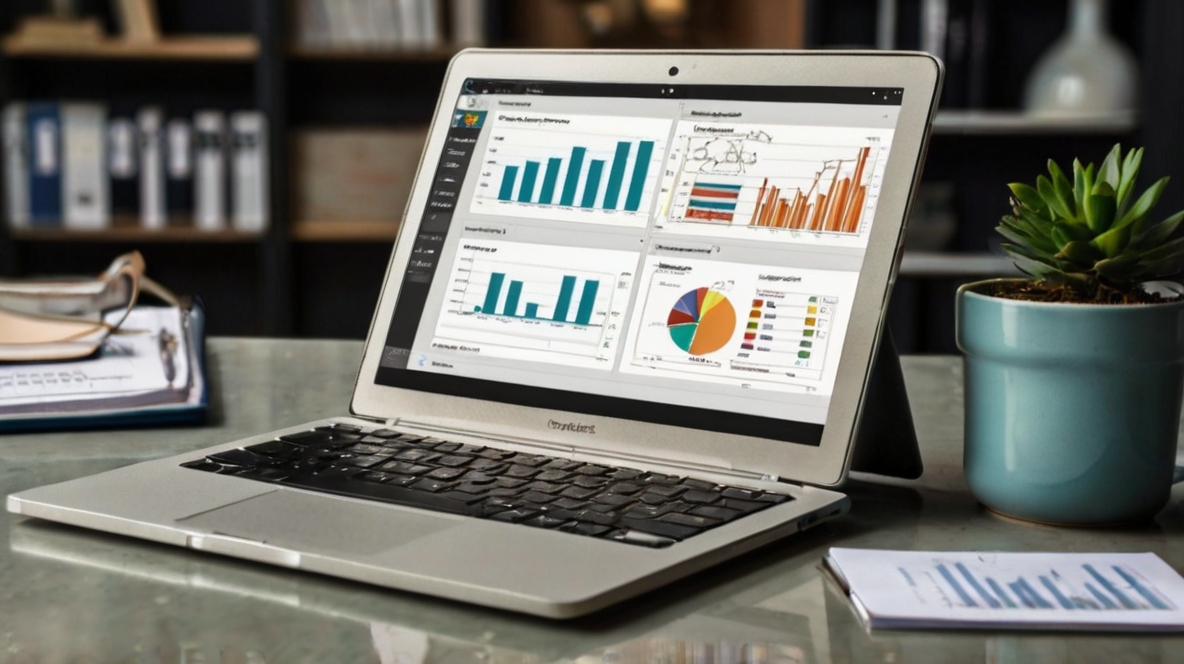
In today’s fast-paced business environment, staying ahead of the competition requires more than just intuition and experience. It demands a strategic approach rooted in data. This is where data analytics comes into play, offering invaluable business insights that drive success.
What is Data Analytics?
Data analytics involves examining raw data with the help of specialized software and techniques to uncover patterns, correlations, and trends. This process helps businesses convert their data into actionable insights, making data analytics a cornerstone of modern business strategy.
Why is Data Analytics Crucial for Businesses?
- Enhanced Decision-Making
Data analytics enables companies to make informed decisions by providing accurate and relevant information. Rather than relying on gut feelings or outdated methods, businesses can use data-driven decisions to optimize operations and strategy.
- Identifying Market Trends
Through data analytics, businesses can identify emerging market trends and consumer preferences. By analyzing historical data and current trends, companies can anticipate shifts in the market and adjust their strategies accordingly.
- Improving Operational Efficiency
Data analytics helps businesses streamline operations by highlighting inefficiencies and areas for improvement. With detailed insights into processes and performance, companies can make adjustments that enhance productivity and reduce costs.
- Personalizing Customer Experience
Understanding customer behavior through data analytics allows businesses to tailor their offerings and marketing strategies to individual preferences. Personalization leads to increased customer satisfaction and loyalty, which is essential for long-term success.
- Competitive Advantage
In a competitive landscape, leveraging data analytics provides a significant edge. Businesses that effectively use data-driven decisions can stay ahead of competitors by optimizing their strategies and adapting quickly to changes in the market.
Implementing Data Analytics in Your Business
To harness the power of data analytics, businesses should follow these steps:
- Define Clear Objectives
Establish what you aim to achieve with data analytics. Whether it’s improving customer retention, increasing sales, or optimizing supply chain management, clear objectives will guide your data analysis efforts.
- Collect Relevant Data
Gather data from various sources such as customer interactions, sales records, and market research. Ensure the data is accurate and relevant to your objectives.
- Choose the Right Tools
Invest in data analytics tools that suit your needs. Popular options include Google Analytics, Tableau, and Microsoft Power BI. These tools offer features that help visualize and interpret data effectively.
- Analyze and Interpret Data
Utilize analytical techniques to extract meaningful insights from your data. This could involve statistical analysis, data mining, or predictive modeling, depending on your objectives.
- Implement Insights
Use the insights gained from data analytics to make informed decisions and implement strategies. Regularly review and adjust your approach based on the latest data to ensure continuous improvement.