




















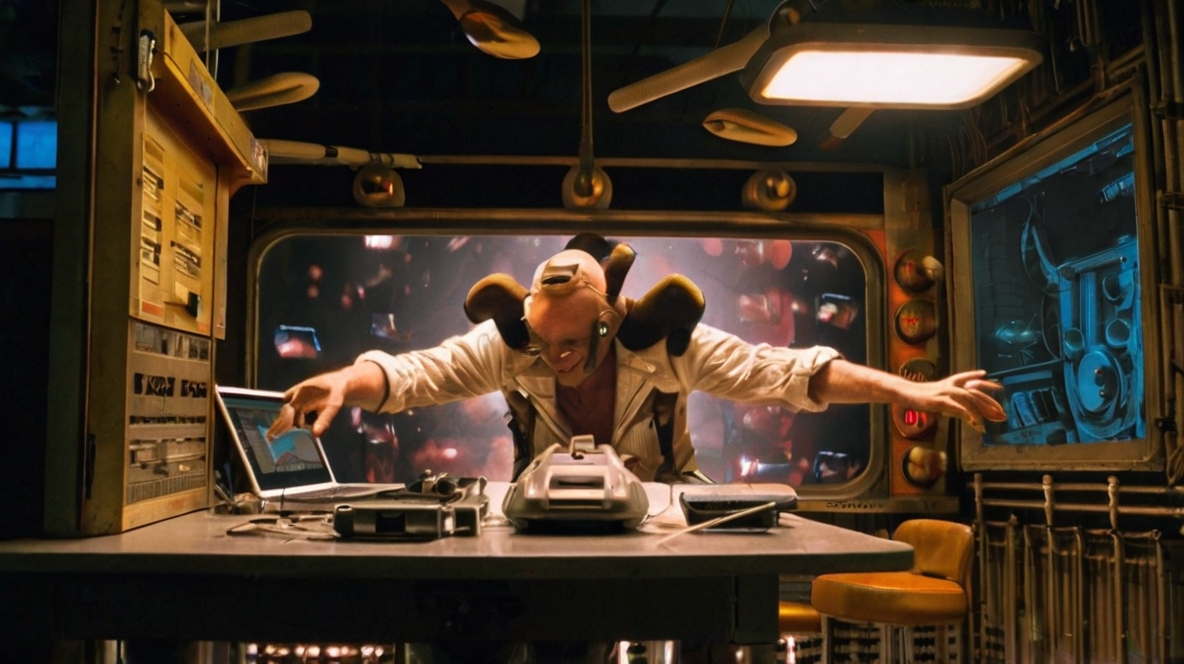
In the digital age, The Impact of technology on Entertainment has revolutionized every aspect of our lives, and entertainment is no exception. From how we consume media to the way artists create and distribute their work, technology has fundamentally reshaped the entertainment industry. This blog explores the profound impact of technology on entertainment, highlighting both the benefits and challenges it brings.
1. Digital Distribution and Accessibility
Technology has democratized access to entertainment content. Streaming services like Netflix, Hulu, and Spotify have made movies, TV shows, and music instantly accessible to millions worldwide. Gone are the days of physical media as consumers now prefer the convenience of streaming on-demand content across multiple devices.
2. Enhanced Viewing and Gaming Experiences
Advancements in display technology, such as 4K resolution and OLED screens, have transformed the viewing experience. Virtual Reality (VR) and Augmented Reality (AR) have taken gaming and interactive experiences to new heights, blurring the line between reality and virtual worlds. These technologies immerse users in unprecedented ways, enhancing engagement and enjoyment.
3. Creative Possibilities for Artists
For creators, technology has unlocked limitless possibilities. Digital editing tools have revolutionized filmmaking and animation, enabling filmmakers to bring fantastical worlds to life. Similarly, musicians and artists can produce and distribute their work independently through online platforms and social media, bypassing traditional gatekeepers.
4. Changing Audience Engagement
Social media and online communities have reshaped how audiences engage with entertainment. Fans can interact directly with their favorite artists, participate in live streams, and even influence creative decisions. This direct connection has empowered fans and transformed celebrity culture.
5. Challenges and Considerations
Despite its benefits, technology has also posed challenges for the entertainment industry. Issues like piracy, digital rights management, and data privacy concerns continue to evolve as technology advances. Furthermore, the rapid pace of innovation can make it challenging for traditional industries to adapt and monetize new forms of content.