




















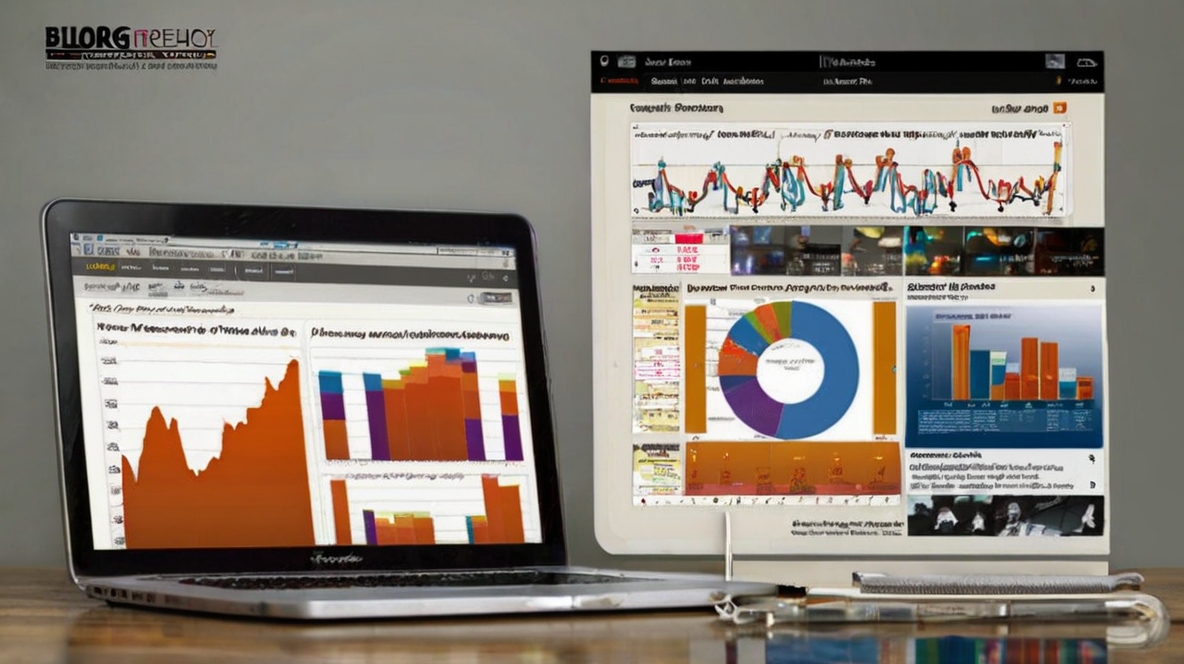
In today’s dynamic global marketplace, staying abreast of economic trends is crucial for businesses of all sizes. These trends, which encompass various economic indicators and shifts, can significantly impact business operations, strategies, and overall success. Understanding and adapting to these changes is essential for businesses aiming to thrive in an ever-evolving environment.
Understanding Economic Trends
Economic trends refer to the general direction in which an economy is moving. These trends can be influenced by numerous factors, including government policies, market dynamics, technological advancements, and global events. Key economic indicators such as GDP growth, inflation rates, employment figures, and consumer confidence play a vital role in shaping these trends.
Business Impact of Economic Trends
The business impact of economic trends can be profound and multifaceted. Here are some key areas where economic trends can influence business operations:
- Market Demand: Economic trends directly affect consumer spending patterns. During periods of economic growth, consumers are more likely to spend, leading to increased demand for products and services. Conversely, during economic downturns, consumer spending tends to decrease, affecting sales and revenue.
- Investment Decisions: Businesses rely on economic forecasts to make informed investment decisions. Positive economic trends often encourage businesses to expand, invest in new technologies, and enter new markets. On the other hand, negative trends may lead to caution and reduced investment activities.
- Cost of Capital: Interest rates, a key economic indicator, influence the cost of borrowing for businesses. Lower interest rates make borrowing cheaper, encouraging businesses to take loans for expansion. Higher rates, however, increase borrowing costs, potentially hindering growth.
- Supply Chain Management: Global economic trends, such as trade policies and currency fluctuations, can impact supply chain operations. Businesses must navigate changes in tariffs, trade agreements, and exchange rates to ensure a smooth flow of goods and services.
- Labor Market Dynamics: Economic trends influence the availability and cost of labor. During economic booms, businesses may face challenges in hiring due to low unemployment rates. Conversely, high unemployment during downturns can provide opportunities to access a larger talent pool.
Strategies to Navigate Changes in Economic Trends
Adapting to economic trends requires businesses to be agile and proactive. Here are some strategies to effectively navigate changes:
- Stay Informed: Regularly monitor economic indicators and trends through reliable sources. This enables businesses to anticipate changes and adjust their strategies accordingly.
- Diversify: Diversification can mitigate the impact of economic downturns. Expanding product lines, entering new markets, or exploring different revenue streams can provide stability during volatile times.
- Cost Management: Implementing efficient cost management practices helps businesses maintain profitability even when faced with economic challenges. This includes optimizing operations, reducing waste, and negotiating favorable terms with suppliers.
- Flexible Workforce: Developing a flexible workforce strategy, such as utilizing part-time or contract employees, allows businesses to adjust labor costs based on economic conditions.
- Scenario Planning: Engage in scenario planning to prepare for various economic outcomes. By envisioning different scenarios and their potential impacts, businesses can develop contingency plans and respond swiftly to changes.