




















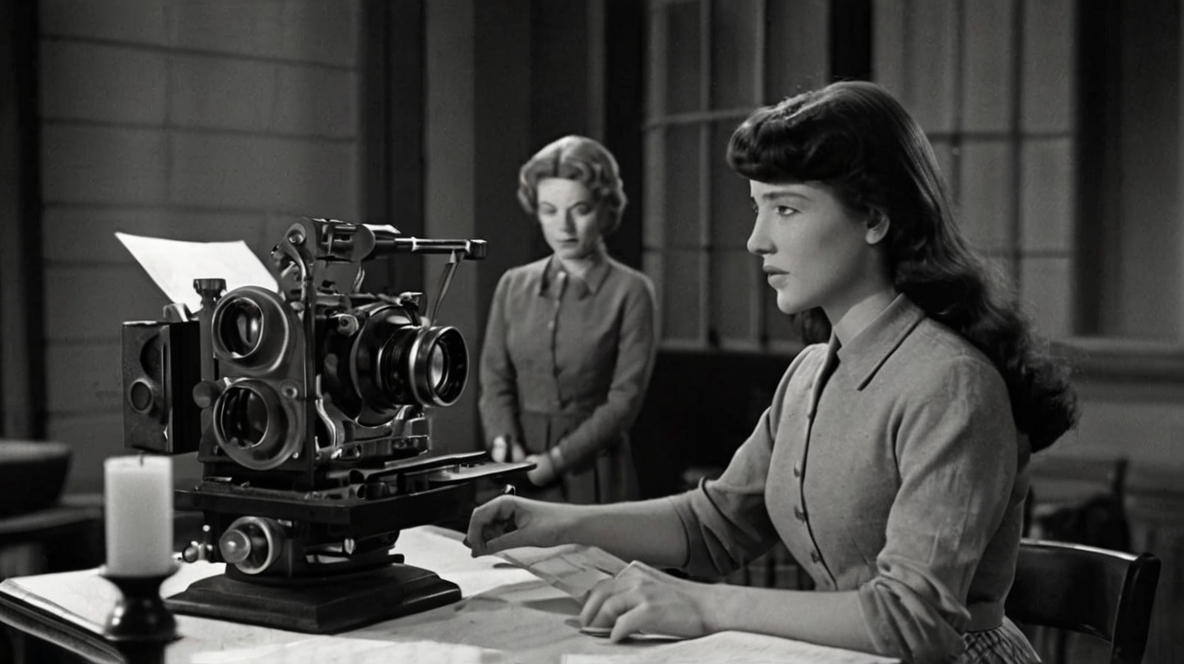
The History of Animation in film has come a long way from its early beginnings to becoming a powerhouse in the entertainment industry. This captivating art form has evolved over the decades, bringing to life countless beloved characters and unforgettable stories. In this blog post, we’ll explore the rich history of animation in film, from its inception to its current state.
The Dawn of Animation
The origins of animation date back to the late 19th century, a time when inventors were experimenting with moving pictures. One of the earliest forms of animation was the zoetrope, a device that created the illusion of motion by displaying a sequence of drawings or photographs. This simple yet ingenious invention laid the groundwork for the future of animation.
The Silent Era: Pioneers of Animation
The early 20th century saw significant advancements in animation techniques. J. Stuart Blackton, often regarded as one of the first animators, created “Humorous Phases of Funny Faces” in 1906. This short film used stop-motion and hand-drawn animation to entertain audiences, marking the beginning of animation in cinema.
In 1914, Winsor McCay released “Gertie the Dinosaur,” a landmark film that featured one of the first animated characters with a distinct personality. McCay’s meticulous frame-by-frame drawings brought Gertie to life, captivating audiences and showcasing the potential of animation as a storytelling medium.
The Golden Age: Disney and the Birth of Feature-Length Animation
The 1930s and 1940s are often referred to as the Golden Age of Animation. This era was dominated by the works of Walt Disney, whose innovative approach to animation revolutionized the industry. In 1928, Disney introduced the world to Mickey Mouse in “Steamboat Willie,” the first synchronized sound cartoon. This was a pivotal moment in animation history, as it combined sound and visuals to create a more immersive experience.
Disney’s success continued with the release of “Snow White and the Seven Dwarfs” in 1937, the first-ever feature-length animated film. This groundbreaking achievement proved that animation could tell complex, emotional stories, paving the way for future animated films.
The Rise of Television Animation
The 1950s and 1960s brought about the rise of television, providing a new platform for animated content. Studios like Hanna-Barbera produced iconic shows such as “The Flintstones” and “Scooby-Doo,” which became household names. These shows were produced using limited animation techniques, allowing for quicker production and lower costs.
The Renaissance: A New Era of Innovation
The late 1980s and 1990s saw a resurgence in high-quality animated films, often referred to as the Disney Renaissance. Films like “The Little Mermaid,” “Beauty and the Beast,” and “The Lion King” showcased the potential of traditional hand-drawn animation, combined with compelling storytelling and memorable music.
During this time, Pixar emerged as a major player in the animation industry. In 1995, they released “Toy Story,” the first feature-length film entirely created using computer-generated imagery (CGI). This groundbreaking film set a new standard for animation and opened the door for a wave of CGI-animated films.
The Digital Age: CGI and Beyond
The 21st century has been dominated by advancements in digital technology, allowing for increasingly realistic and visually stunning animated films. Studios like Pixar, DreamWorks Animation, and Illumination Entertainment have produced hits like “Shrek,” “Despicable Me,” and “Frozen,” pushing the boundaries of what animation can achieve.
In addition to CGI, there has been a resurgence of interest in other forms of animation, such as stop-motion and 2D animation. Films like “Coraline” and “The Princess and the Frog” showcase the versatility and enduring appeal of these techniques.
The Future of Animation
As technology continues to evolve, the future of animation looks brighter than ever. Virtual reality (VR) and augmented reality (AR) are opening up new possibilities for immersive storytelling. Additionally, advancements in artificial intelligence (AI) are beginning to impact the animation process, making it more efficient and accessible.