




















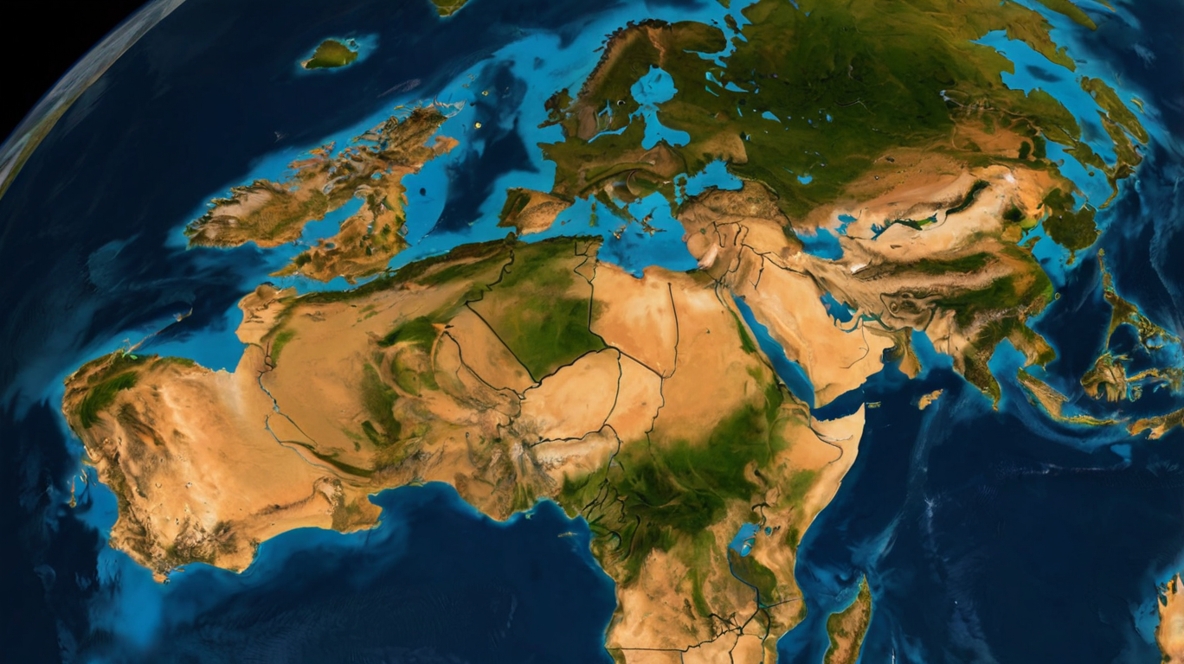
As the world moves further into 2025, global politics is witnessing significant transformations. Traditional powerhouses like the United States and China continue to assert influence, but emerging nations are rapidly redefining the global landscape. From economic dominance to strategic alliances, these shifts are reshaping the future of international relations.
The Rise of New Superpowers
Several nations are stepping onto the global stage with increased influence in diplomacy, military strength, and economic expansion.
1. India’s Economic and Military Surge
India continues its rapid ascent as a geopolitical force, fueled by its thriving economy, technological advancements, and strengthened military capabilities. With strategic partnerships in Asia and beyond, India is positioning itself as a key counterbalance in the Indo-Pacific region.
2. Brazil’s Growing Influence in South America
As the largest economy in Latin America, Brazil is leveraging its natural resources and trade partnerships to gain greater geopolitical clout. Strengthened ties with China and the EU make Brazil a vital player in global energy markets and environmental diplomacy.
3. The Middle East’s Power Shift
The Gulf states, particularly Saudi Arabia and the UAE, are diversifying their economies and investing heavily in technology, infrastructure, and global partnerships. Meanwhile, Iran’s strategic positioning continues to influence regional security and energy politics.
Declining Influence of Traditional Powers?
While established superpowers remain dominant, internal challenges and shifting alliances are affecting their global positions.
- United States: The U.S. maintains its military superiority, but political divisions and economic concerns impact its influence.
- China: Despite its economic power, China faces slowing growth and rising geopolitical resistance, particularly in Asia and the West.
- European Union: While still a major economic force, internal disagreements over defense, energy, and trade policies create uncertainty.
Key Geopolitical Trends to Watch in 2025
- Economic Alliances Over Military Conflicts: Countries are forming trade partnerships rather than engaging in direct confrontations.
- Rise of Multipolar Power Structures: Instead of a U.S.-China-dominated world, multiple regional powers are gaining influence.
- Technology and Cybersecurity Battles: Nations are competing for dominance in artificial intelligence, cybersecurity, and digital infrastructure.