







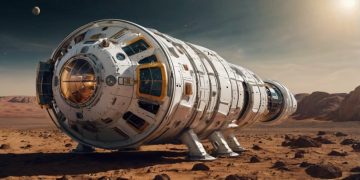












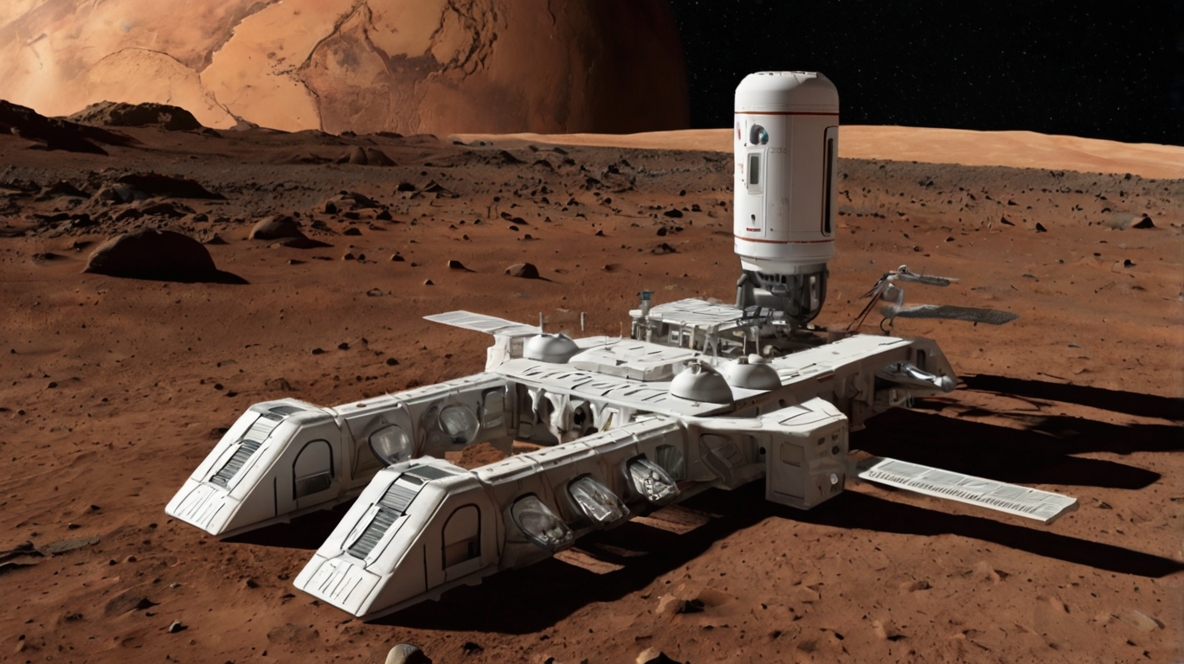
As humanity stands on the brink of a new era in space exploration, the dream of The Future of Space Travel: Mars Colonization is becoming more tangible. With advancements in technology, increased investment from both public and private sectors, and a growing interest in astrobiology, the possibility of establishing a human presence on the Red Planet is no longer a distant fantasy. In this article, we’ll explore the key factors shaping Mars colonization, its implications for space travel, and how organizations like NASA are leading the charge.
The Drive for Mars Colonization
1. Technological Advancements
Recent technological advancements are transforming the landscape of space travel. Companies like SpaceX and Blue Origin are developing reusable rocket technology, significantly reducing the cost of launching missions to Mars. NASA’s Artemis program aims to return humans to the Moon and serve as a stepping stone for future missions to Mars. Innovations in life support systems, habitat construction, and propulsion technology will be critical for sustaining human life on Mars.
2. Understanding Astrobiology
Astrobiology, the study of life in the universe, plays a vital role in Mars colonization. Scientists are investigating the planet’s potential for supporting life, past and present. Discoveries of liquid water, organic molecules, and seasonal methane emissions on Mars suggest that the planet may have once harbored life. Understanding these elements is crucial for determining the feasibility of human colonization and the potential for finding extraterrestrial life.
3. NASA’s Vision and Initiatives
NASA is at the forefront of the Mars colonization effort. The agency’s Perseverance rover is currently exploring the Martian surface, collecting samples that could provide insights into the planet’s habitability. NASA’s long-term goal is to send astronauts to Mars by the 2030s, with plans to establish a sustainable human presence through the Artemis missions and the Lunar Gateway. Collaborative efforts with international space agencies and private companies are also expanding the scope of Mars exploration.
Implications of Mars Colonization
1. Scientific Discoveries
Mars colonization could lead to groundbreaking scientific discoveries. By studying the planet’s geology and climate, scientists can gain insights into Earth’s history and the solar system’s evolution. Furthermore, the potential discovery of microbial life could revolutionize our understanding of biology and the conditions necessary for life to thrive.
2. Technological Innovation
The challenges of colonizing Mars will drive technological innovation. Developments in robotics, artificial intelligence, and sustainable energy sources will not only benefit space travel but also have applications here on Earth. For example, technologies developed for life support systems on Mars could improve water purification and energy efficiency in remote areas.
3. Societal Impact
The prospect of Mars colonization raises philosophical and ethical questions. How do we manage the resources and environment of another planet? What legal frameworks are necessary to govern human activity in space? These discussions will shape the future of space exploration and humanity’s role in the universe.