




















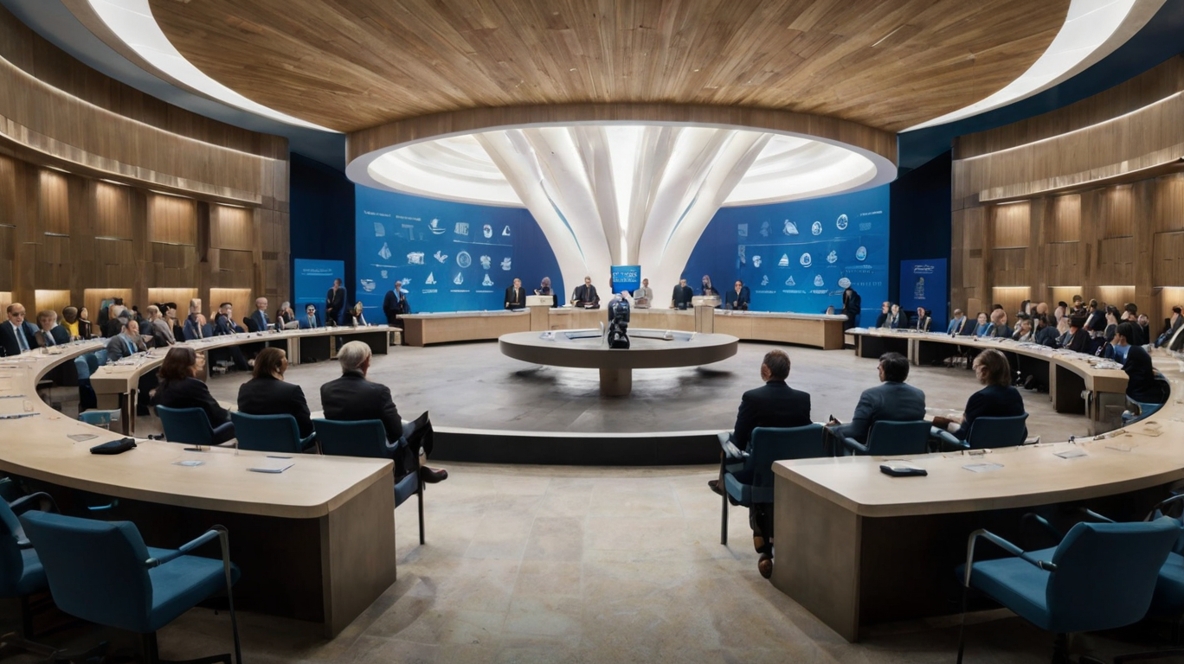
The Future of Democracy: Key Trends in 2024 Governance and Political Shifts
As we move into 2024, the future of democracy is increasingly being shaped by new political trends, governance shifts, and global challenges. Around the world, democracy faces both significant opportunities for reinvention and formidable obstacles that threaten its stability. In the wake of rising authoritarianism, deepening political polarization, and the growing power of social media, the global political landscape is undergoing a profound transformation.
In this article, we’ll explore the key trends in democracy and governance in 2024, offering insights into the challenges and opportunities that lie ahead for democratic systems. We’ll examine how these shifts are impacting political institutions, elections, and public engagement, both domestically and globally.
1. The Rise of Authoritarianism: A Growing Threat to Global Democracy
Trend Overview:
In 2024, authoritarianism continues to be a significant challenge to democratic governance around the world. In countries like Russia, China, Hungary, and Turkey, political leaders have consolidated power and curtailed democratic freedoms. The erosion of checks and balances, suppression of free press, and weakening of civil rights are alarming indicators of democratic decline.
Why It Matters in 2024:
The global rise of authoritarianism is not just limited to Eastern Europe and Asia; it’s becoming a more pervasive challenge in countries once seen as bastions of democracy. These shifts threaten the international rule of law, human rights, and the principles of democratic governance.
Key Examples:
- Russia: The war in Ukraine and President Vladimir Putin’s tightening grip on power have showcased the fragility of democratic institutions in Russia.
- Turkey: President Recep Tayyip Erdoğan has continued to consolidate power, undermining democratic freedoms and the independence of the judiciary.
- United States: While still a strong democracy, the rise of political polarization and the erosion of public trust in institutions has raised concerns about the future of democracy.
Impact on Global Governance:
The shift toward authoritarianism in major nations could lead to less cooperation on global issues like climate change, trade, and human rights. As authoritarian regimes tighten control, democracy advocates will face increasing challenges in preserving global governance systems and fostering international collaboration.
2. Digital Democracy: The Role of Technology in Political Engagement
Trend Overview:
In 2024, digital democracy is becoming a defining feature of modern governance. Technology is transforming how citizens interact with political institutions, participate in elections, and engage in civic life. Platforms like social media, online voting systems, and e-participation platforms are reshaping democratic processes by making them more inclusive and accessible.
Why It Matters in 2024:
With the increasing reliance on digital technology, democracy faces both opportunities and challenges. Technology offers a more inclusive way for citizens to engage with their governments, but it also brings risks related to cybersecurity, misinformation, and the erosion of privacy.
Key Examples:
- Digital Voting: Countries like Estonia and Switzerland have already integrated online voting in local and national elections, offering a blueprint for broader digital engagement.
- Social Media and Political Mobilization: Social media platforms have become key tools for political activism, enabling movements like #MeToo, Black Lives Matter, and climate protests to gain momentum.
- E-Government: Many governments are moving towards e-governance, where citizens can interact with public services and officials online, streamlining decision-making and promoting transparency.
Impact on Global Governance:
The rise of digital democracy could lead to greater political engagement and voter participation globally. However, the challenges related to cyber threats, data privacy, and the spread of fake news will require international efforts to ensure the integrity of digital democratic systems.
3. Youth Activism and the Rejuvenation of Democracy
Trend Overview:
The youth vote and youth activism are set to play a critical role in shaping the future of democracy in 2024. Young people across the globe are increasingly involved in political movements and pushing for social and environmental change. From climate change to racial justice to economic reform, the younger generation is holding political leaders accountable and advocating for a more equitable future.
Why It Matters in 2024:
In 2024, young people will be key drivers of democratic renewal. With their increasing influence in the political process, youth-led movements are pushing for reforms and policies that align with their values and priorities. This generation is not only voting but also mobilizing others and challenging established political systems.
Key Examples:
- Fridays for Future: Led by Greta Thunberg, youth climate activists are demanding that governments take immediate action to combat climate change. These movements are becoming central to political discourse worldwide.
- Black Lives Matter: Young activists are at the forefront of calls for racial justice, pushing for police reform, racial equality, and greater accountability from political leaders.
- Student Protests in Iran: In countries like Iran, young people have been at the forefront of pro-democracy protests, calling for reforms and greater freedoms.
Impact on Global Governance:
The growing power of youth activism in 2024 will bring new energy to political movements and political reform efforts. Young people are demanding that governments focus on climate action, human rights, and economic justice. In many regions, youth participation could shift the balance of power and lead to changes in policy that reflect the needs of younger generations.
4. The Decline of Traditional Political Parties: The Rise of New Political Movements
Trend Overview:
Across the globe, traditional political parties are losing ground to new political movements and independent candidates. This trend is evident in both established democracies and emerging democracies, where citizens are becoming increasingly disillusioned with the conventional party structures that have long dominated politics.
Why It Matters in 2024:
As trust in political institutions declines, new political movements and independent candidates are gaining traction. These movements often capitalize on dissatisfaction with the status quo, offering alternative solutions to pressing political and social issues.
Key Examples:
- Italy: The rise of populist and anti-establishment political parties, such as Fratelli d’Italia, is shaking up Italy’s traditional political system.
- Chile: The election of Gabriel Boric, a former student leader, in 2021 signaled the rise of new political forces that are reshaping the political landscape.
- United States: The growing influence of independent and third-party candidates, especially among younger voters, challenges the Republican–Democrat binary in U.S. politics.
Impact on Global Governance:
The decline of traditional political parties can disrupt established governance structures. However, it also creates space for innovative policy solutions and more diverse political representation, as new movements champion grassroots democracy and political accountability.
5. Global Challenges and the Need for Multilateral Cooperation
Trend Overview:
The challenges of the 21st century—climate change, global health crises, economic inequality, and migration—demand multilateral solutions. In 2024, democratic nations must work together to address these pressing issues, but political divisions, both within countries and between nations, threaten the effectiveness of international cooperation.
Why It Matters in 2024:
In an interconnected world, global problems require coordinated action. While democracy remains a powerful model, global governance will need to adapt to the complexities of today’s challenges, balancing national interests with the need for collective action.
Key Examples:
- Climate Agreements: International climate negotiations, like COP29, will continue to push for global solutions to the climate crisis, but political fragmentation could undermine progress.
- Pandemic Response: The COVID-19 pandemic highlighted the importance of international collaboration in addressing health crises, and global health governance will remain a key issue in 2024.
Impact on Global Governance:
Multilateralism will be crucial in addressing global challenges, but achieving consensus among diverse democratic nations will require overcoming political polarization and nationalist sentiments.