




















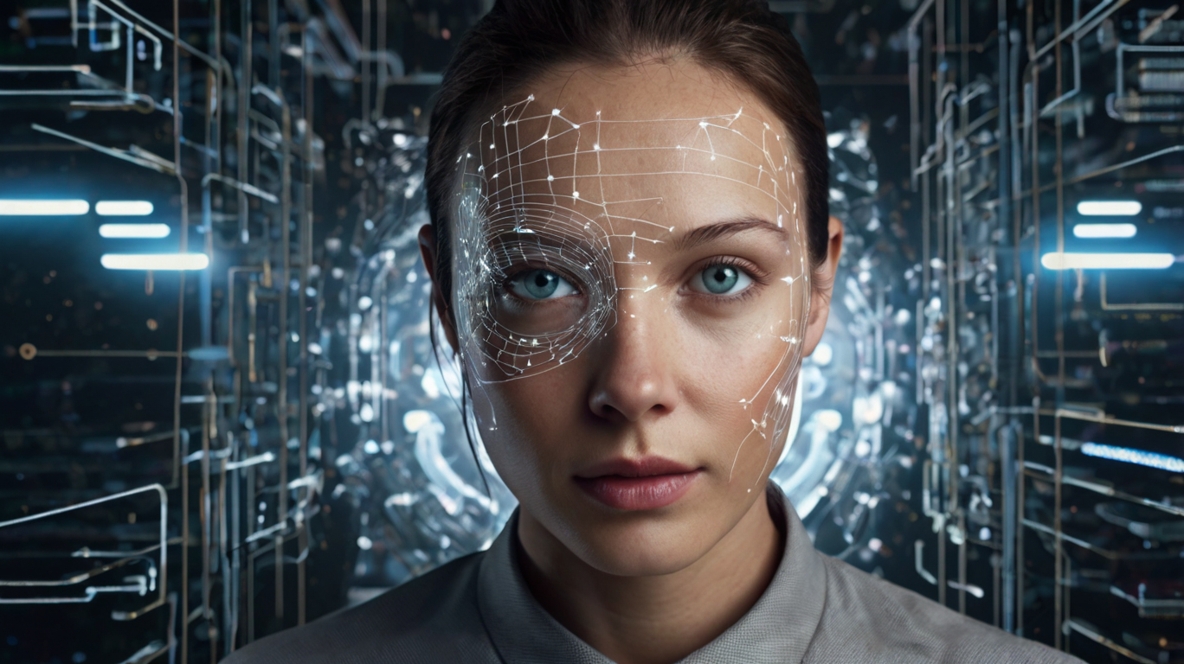
As we venture deeper into the 21st century, The Future of Artificial Intelligence in Everyday Life is becoming an integral part of our daily lives. From smart assistants like Siri and Alexa to advanced algorithms predicting our preferences, AI is not just a technological trend—it’s a transformative force reshaping our everyday experiences. In this article, we’ll explore how the future of AI is set to revolutionize daily life through innovative applications and advancements in smart technology.
1. AI in the Home: Smart Living
One of the most visible impacts of artificial intelligence in daily life is the emergence of smart homes. With the help of AI, devices can communicate and learn from our habits, providing convenience and efficiency. Here are a few ways AI will enhance home living:
- Smart Appliances: Refrigerators that can monitor food expiration dates and suggest recipes, washing machines that adjust cycles based on load size, and thermostats that learn your schedule to optimize energy usage are just the beginning. These smart appliances will not only save time but also reduce energy consumption.
- Home Security: AI-powered security systems can analyze patterns and detect unusual activities, alerting homeowners and authorities in real time. Facial recognition technology ensures that only authorized individuals gain access, enhancing safety.
2. AI in the Workplace: Productivity Revolution
In the workplace, AI is set to redefine productivity. Here are some anticipated advancements:
- Automation of Repetitive Tasks: AI can automate mundane tasks such as data entry, scheduling, and inventory management, freeing up human resources to focus on more strategic activities.
- Enhanced Decision-Making: AI tools can analyze vast amounts of data to provide insights, enabling businesses to make informed decisions faster. This capability will lead to more agile operations and better customer experiences.
- Personalized Learning: In professional development, AI can tailor learning programs to individual employees, helping them acquire new skills based on their performance and career aspirations.
3. AI in Healthcare: Transforming Patient Care
The healthcare industry is poised for a significant transformation thanks to AI. Here’s how it will shape the future of patient care:
- Predictive Analytics: AI algorithms can analyze patient data to predict health issues before they arise. By identifying patterns, healthcare providers can offer proactive care, ultimately improving patient outcomes.
- Telemedicine: With AI-driven telehealth platforms, patients can access medical advice remotely. AI chatbots can provide preliminary assessments, while virtual consultations with doctors become more efficient.
4. AI in Transportation: Smart Mobility
Transportation is another domain where AI is making strides. The future of mobility includes:
- Autonomous Vehicles: Self-driving cars equipped with AI can analyze traffic patterns and navigate safely, reducing accidents and improving efficiency in transportation.
- Smart Traffic Management: AI can optimize traffic flow in cities, reducing congestion and lowering emissions. Smart traffic signals can adjust in real time based on traffic conditions, enhancing the commuting experience.
5. AI and Sustainability: A Greener Future
As concerns about climate change grow, AI can play a vital role in promoting sustainability. Applications include:
- Energy Management: AI can analyze energy consumption patterns in homes and businesses, suggesting optimizations that reduce waste and lower costs.
- Environmental Monitoring: AI technologies can track wildlife populations, monitor air and water quality, and predict natural disasters, enabling more effective conservation efforts.