




















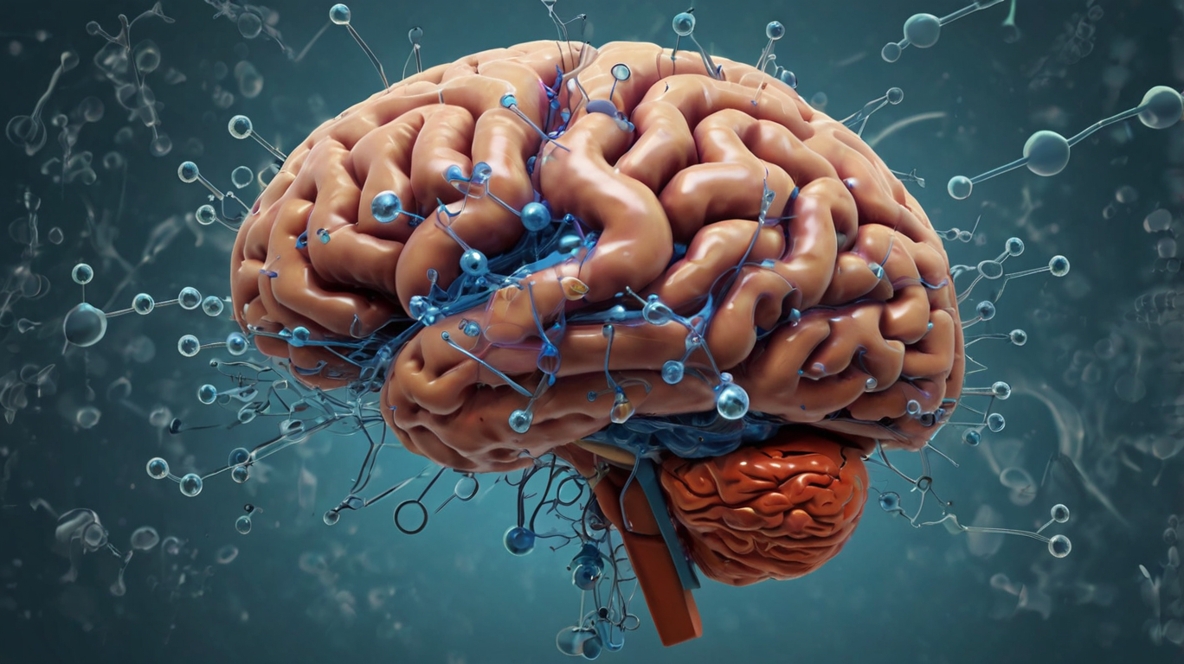
The Chemistry of Happiness: How Brain Chemistry Affects Mood is a universal goal, yet its complex nature often leaves many people wondering how to achieve it consistently. At the heart of this quest lies the intricate world of brain chemistry, which plays a vital role in regulating our emotions and mental well-being. Understanding how these chemical processes influence happiness can provide valuable insights into overcoming mood disorders and enhancing overall mental health.
Understanding Happiness Chemistry
Happiness chemistry refers to the neurotransmitters and hormones that play a crucial role in how we experience joy, contentment, and overall well-being. Key players in this intricate system include:
- Dopamine: Often dubbed the “feel-good” neurotransmitter, dopamine is associated with pleasure and reward. It is released during enjoyable activities, reinforcing behaviors that lead to happiness.
- Serotonin: This neurotransmitter stabilizes mood and contributes to feelings of happiness and well-being. Low levels of serotonin are often linked to depression and mood disorders.
- Oxytocin: Known as the “love hormone,” oxytocin is released during social bonding and can foster feelings of trust and intimacy, enhancing emotional connections.
- Endorphins: These natural painkillers are released in response to stress and pain. They can create a sense of euphoria and contribute to feelings of happiness after physical activity.
The Impact of Brain Chemistry on Mood
Understanding the interplay between these neurotransmitters and hormones can shed light on how brain chemistry affects mood. For instance:
- Mood Disorders: Conditions like depression and anxiety are often linked to imbalances in neurotransmitters. Low levels of serotonin, for example, are a significant factor in depression, leading researchers to explore treatments that boost serotonin levels, such as selective serotonin reuptake inhibitors (SSRIs).
- Stress and Happiness: Chronic stress can lead to a depletion of endorphins and serotonin, negatively impacting mood. Engaging in regular physical activity, practicing mindfulness, and fostering social connections can help increase these happy chemicals, promoting a more balanced mood.
- Diet and Nutrition: What we eat can significantly affect our brain chemistry. Nutrients like omega-3 fatty acids, antioxidants, and vitamins play a role in neurotransmitter production. A well-balanced diet can help support mental health and happiness.
Enhancing Happiness through Lifestyle Choices
There are practical steps individuals can take to boost their happiness chemistry and improve mental health:
- Physical Activity: Exercise releases endorphins, helping to elevate mood. Aim for at least 30 minutes of moderate exercise most days.
- Social Connections: Building strong relationships and spending time with loved ones can increase oxytocin levels, enhancing feelings of happiness and reducing stress.
- Mindfulness and Meditation: These practices can increase serotonin levels and promote a sense of well-being. Setting aside time for mindfulness exercises can lead to lasting improvements in mood.
- Healthy Eating: Incorporate foods rich in omega-3s, antioxidants, and other nutrients that support brain health. Leafy greens, fatty fish, nuts, and berries are excellent choices.
- Sleep Hygiene: Prioritizing quality sleep is essential for maintaining balance in brain chemistry. Aim for 7-9 hours of sleep per night to support overall mental health.