























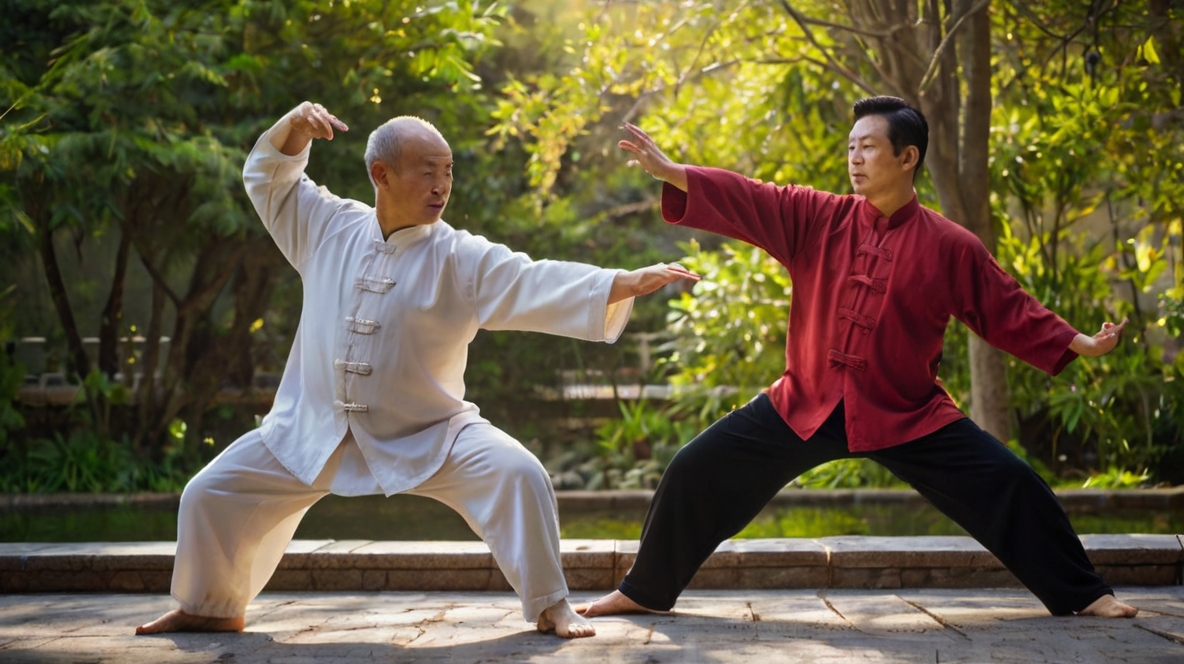
In today’s fast-paced world, finding balance and harmony is essential for both physical and mental well-being. One way to achieve this balance is through the ancient Chinese practice of Tai Chi. Often described as a “moving meditation,” The Benefits of Practicing Tai Chi is a gentle form of exercise that combines deep breathing with slow, deliberate movements. Whether you’re new to fitness or a seasoned practitioner, the benefits of Tai Chi are extensive, making it a valuable addition to your wellness routine.
What is Tai Chi?
Tai Chi, also known as Tai Chi Chuan, is a mind-body practice that originated in China over 700 years ago. It was initially developed as a martial art but has evolved into a popular form of exercise that promotes health and relaxation. Tai Chi consists of a series of movements, or forms, that are performed in a slow, graceful manner. Each movement flows into the next without pause, ensuring that your body is in constant motion.
The Physical Benefits of Tai Chi
One of the most significant benefits of Tai Chi is its positive impact on physical health. Here are some ways in which this gentle practice can improve your overall well-being:
- Improves Balance and Coordination: Tai Chi’s slow, deliberate movements require you to shift your weight from one leg to the other, improving your balance and coordination over time. This is particularly beneficial for older adults who may be at risk of falls.
- Enhances Flexibility: The practice involves stretching and lengthening your muscles, which can help to increase flexibility. This can be especially helpful for those who spend long hours sitting at a desk or experience stiffness due to aging.
- Strengthens Muscles: While Tai Chi is not as intense as weightlifting, it does engage and strengthen the muscles, particularly in the legs, core, and back. Regular practice can lead to improved muscle tone and endurance.
- Promotes Cardiovascular Health: Tai Chi may appear gentle, but it can get your heart rate up and improve your cardiovascular health. Regular practice has been shown to lower blood pressure, improve circulation, and enhance overall heart function.
- Supports Joint Health: The slow, controlled movements of Tai Chi are easy on the joints, making it an excellent option for individuals with arthritis or joint pain. It can help to reduce stiffness and improve joint mobility.
The Mental and Emotional Benefits of Tai Chi
In addition to its physical advantages, Tai Chi is also a powerful tool for mental and emotional well-being. As a mind-body practice, Tai Chi encourages mindfulness and relaxation, which can have profound effects on your mental health.
- Reduces Stress and Anxiety: The deep breathing techniques used in Tai Chi can help to calm the mind and reduce stress. By focusing on your breath and movements, you can release tension and promote a sense of inner peace.
- Improves Concentration: Tai Chi requires mental focus and concentration, which can help to sharpen your mind. Over time, regular practice can enhance cognitive function and improve memory.
- Boosts Mood: Engaging in a regular Tai Chi practice can lead to the release of endorphins, the body’s natural “feel-good” hormones. This can help to alleviate symptoms of depression and boost your overall mood.
- Enhances Sleep Quality: Many people find that practicing Tai Chi before bed helps them to relax and sleep better. The combination of physical activity and mindfulness can lead to more restful and rejuvenating sleep.
Fitness Tips for Practicing Tai Chi
If you’re interested in reaping the benefits of Tai Chi, here are some fitness tips to help you get started:
- Start Slowly: Tai Chi is a gentle practice, but it’s essential to start at a pace that’s comfortable for you. Begin with basic movements and gradually progress to more complex forms as you become more comfortable.
- Wear Comfortable Clothing: Opt for loose, comfortable clothing that allows you to move freely. Tai Chi is typically practiced in bare feet or with flat-soled shoes to ensure proper balance and alignment.
- Find a Qualified Instructor: While there are many online resources available, it’s helpful to learn from a qualified instructor who can guide you through the proper techniques and provide personalized feedback.
- Practice Regularly: Like any form of exercise, consistency is key. Aim to practice Tai Chi for at least 20-30 minutes a few times a week to experience its full benefits.
- Listen to Your Body: Tai Chi should never cause pain or discomfort. If you experience any discomfort, stop and consult with a healthcare professional before continuing.