






















In today’s fast-paced world, maintaining a balanced and effective fitness routine is more important than ever. Among the myriad of options available, The Benefits of Practicing Pilates stands out as a highly beneficial practice that promotes overall wellness. Whether you’re new to fitness or an experienced athlete, incorporating Pilates into your routine can offer numerous benefits. In this article, we explore the key benefits of Pilates and provide wellness tips to help you integrate this practice into your life.
What is Pilates?
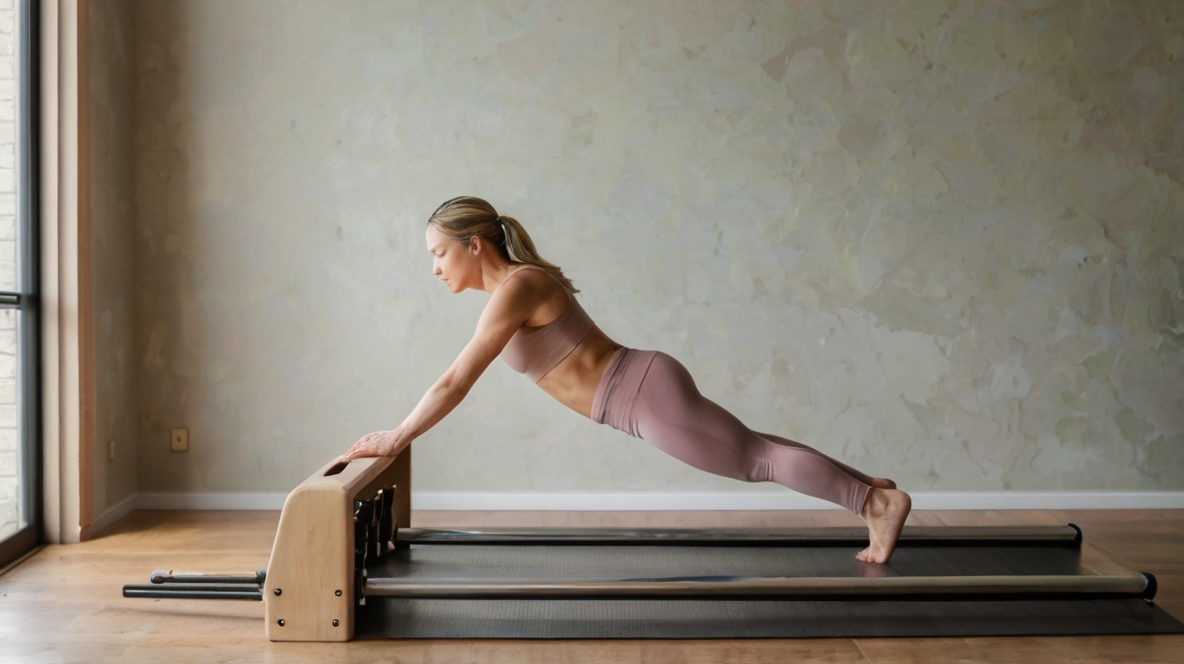
Pilates is a low-impact exercise system developed by Joseph Pilates in the early 20th century. It focuses on strengthening the core muscles, improving flexibility, and promoting mindful movement. Unlike high-intensity workouts, Pilates emphasizes controlled movements, making it accessible to people of all fitness levels.
1. Improves Core Strength
One of the most well-known benefits of Pilates is its ability to strengthen the core muscles. The core, which includes the abdominals, lower back, hips, and pelvis, is the foundation of all movement. A strong core enhances stability, reduces the risk of injury, and improves posture. By regularly practicing Pilates, you can develop a solid core that supports your overall fitness routine.
2. Enhances Flexibility and Mobility
Flexibility is crucial for maintaining a healthy body and preventing injuries. Pilates incorporates stretching and lengthening exercises that target all muscle groups. These movements help to increase flexibility and improve joint mobility, allowing you to move more freely in your daily life. Enhanced flexibility also complements other forms of exercise, making Pilates an excellent addition to any fitness routine.
3. Promotes Mind-Body Connection
Pilates is not just about physical exercise; it also promotes a strong mind-body connection. The practice encourages mindful movement, requiring you to focus on your breath, alignment, and muscle engagement. This heightened awareness helps to reduce stress, improve concentration, and create a sense of mental clarity. By incorporating Pilates into your routine, you can achieve both physical and mental wellness.
4. Supports Injury Prevention and Rehabilitation
Whether you’re recovering from an injury or looking to prevent one, Pilates can be a valuable tool. The low-impact nature of Pilates makes it ideal for rehabilitation, as it allows for controlled movement without placing undue stress on the joints. Additionally, Pilates exercises strengthen the muscles surrounding the joints, providing added support and reducing the risk of future injuries.
5. Improves Posture and Alignment
Good posture is essential for overall health and well-being. Poor posture can lead to a range of issues, including back pain, neck strain, and reduced lung capacity. Pilates focuses on proper alignment and body mechanics, helping to correct postural imbalances and promote a more upright stance. Over time, the benefits of Pilates can lead to improved posture, both in and out of the studio.
6. Boosts Mental Health and Well-Being
In addition to its physical benefits, Pilates also has a positive impact on mental health. The practice promotes relaxation and stress relief through mindful breathing and movement. Many people find that Pilates helps them feel more centered, balanced, and emotionally resilient. Integrating Pilates into your fitness routine can be a powerful way to support your mental well-being.
Wellness Tips for Incorporating Pilates into Your Fitness Routine
- Start Slow: If you’re new to Pilates, begin with beginner-friendly classes or videos to learn the basics. As you become more comfortable, you can progress to more advanced levels.
- Consistency is Key: To experience the full benefits of Pilates, aim to practice regularly. Even a few sessions per week can make a significant difference in your overall fitness and well-being.
- Mix It Up: While Pilates is highly beneficial, it’s also important to incorporate a variety of exercises into your fitness routine. Consider combining Pilates with cardio, strength training, and flexibility exercises for a well-rounded approach.
- Listen to Your Body: Pilates encourages mindfulness and body awareness. Pay attention to how your body feels during each session and modify exercises as needed to avoid strain or injury.
- Seek Professional Guidance: If possible, work with a certified Pilates instructor who can provide personalized guidance and ensure you’re performing exercises correctly.