




















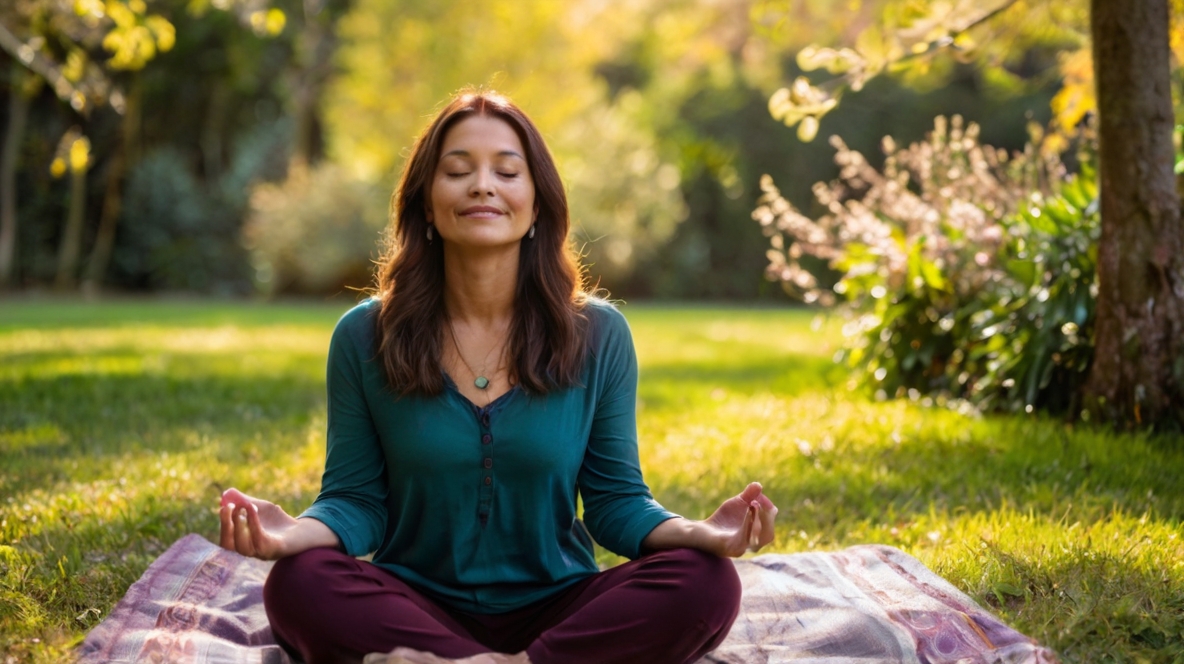
In today’s fast-paced world, where stress and anxiety are increasingly common, finding practices that nurture mental well-being is essential. One such practice is gratitude meditation. This powerful technique combines the principles of mindfulness with the positive emotions of gratitude, offering numerous benefits for mental and emotional health.
What is Gratitude Meditation?
Gratitude meditation is a mindfulness practice focused on cultivating a deep sense of thankfulness. It involves directing attention to the people, experiences, and aspects of life for which one is grateful. By regularly practicing gratitude meditation, individuals can shift their focus from negative thoughts to positive ones, fostering a greater sense of happiness and contentment.
Enhances Mental Well-being
One of the most significant benefits of gratitude meditation is its impact on mental well-being. When you practice gratitude meditation, your brain begins to rewire itself to focus more on the positive aspects of life. This shift can reduce symptoms of anxiety and depression, as the act of being grateful encourages a more optimistic outlook. Over time, this can lead to improved overall mental health and emotional resilience.
Promotes Mindfulness
Gratitude meditation is also a powerful tool for enhancing mindfulness. Mindfulness is the practice of being fully present in the moment, without judgment. By incorporating gratitude into your meditation practice, you become more aware of the positive elements in your life. This awareness helps you stay grounded in the present moment, rather than getting caught up in worries about the past or future.
Reduces Stress and Anxiety
Stress and anxiety are often fueled by a focus on what is lacking or what could go wrong. Gratitude meditation shifts this focus to what is going well in your life, which can help reduce stress levels. When you consistently practice gratitude meditation, you train your mind to recognize and appreciate the good, which can alleviate feelings of anxiety and foster a greater sense of peace.
Improves Sleep Quality
Another benefit of gratitude meditation is its positive effect on sleep. Research has shown that people who practice gratitude before bed tend to fall asleep faster and enjoy better quality sleep. This is likely because focusing on positive thoughts before bed can calm the mind, making it easier to drift off into restful slumber.
Strengthens Relationships
Gratitude meditation doesn’t just benefit your mental well-being; it can also improve your relationships. When you practice gratitude, you become more appreciative of the people in your life. This increased appreciation can lead to stronger, more positive relationships, as you are more likely to express your gratitude to others. Additionally, people who feel appreciated are often more inclined to reciprocate, creating a positive cycle of mutual appreciation.
How to Practice Gratitude Meditation
Practicing gratitude meditation is simple and can be done anywhere, at any time. Here’s a basic guide to get you started:
- Find a Quiet Space: Sit or lie down in a comfortable position in a quiet place where you won’t be disturbed.
- Focus on Your Breath: Begin by taking a few deep breaths to center yourself. Inhale deeply through your nose, hold for a moment, and exhale slowly through your mouth.
- Reflect on Gratitude: Bring to mind three things you are grateful for. These could be people, experiences, or even simple pleasures. Take a moment to fully appreciate each one, allowing yourself to feel a deep sense of gratitude.
- Express Gratitude: Mentally or verbally express your thanks. You might say, “I am grateful for…” or “Thank you for…” as you focus on each item.
- Repeat Regularly: For the best results, practice gratitude meditation daily. Even a few minutes a day can have a profound impact on your mental well-being.