




















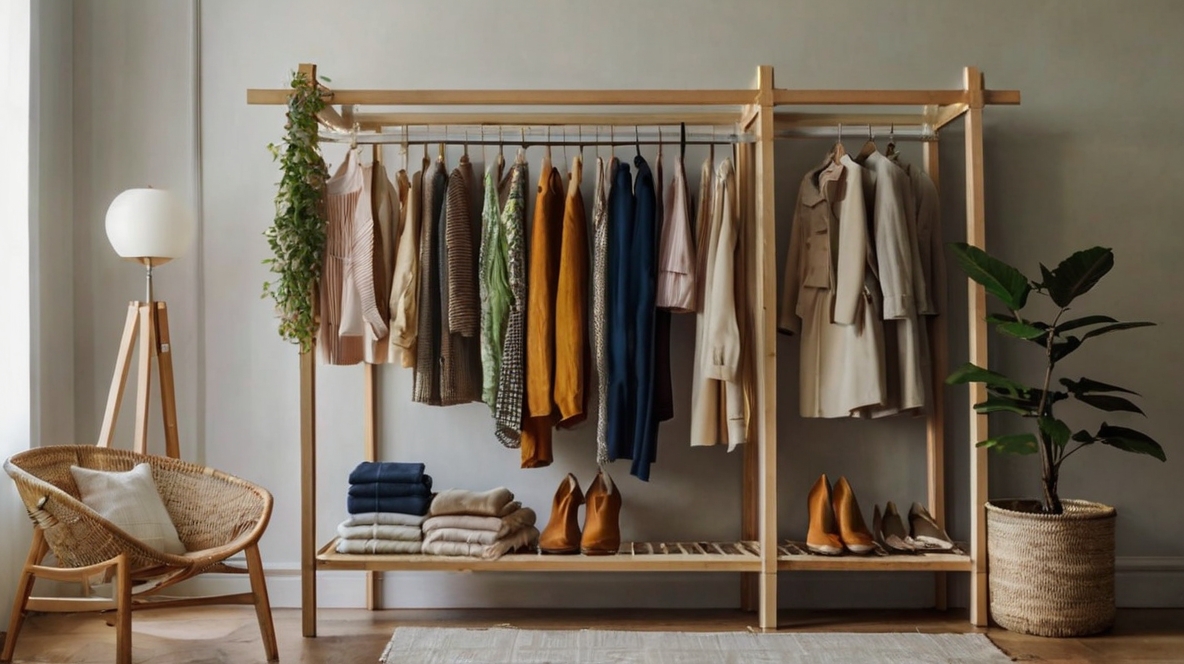
In today’s fast-paced world, where fashion trends come and go in the blink of an eye, the environmental impact of our clothing choices is more significant than ever. Sustainable fashion is no longer just a buzzword; it’s a necessary movement towards a more eco-friendly wardrobe and a greener planet. If you’re looking to reduce your environmental footprint without compromising on style, here’s how you can build a green fashion wardrobe.
1. Start with What You Have
Before diving into the world of sustainable fashion, assess your current wardrobe. Take stock of what you own, and consider how often you wear each item. The most eco-friendly clothes are the ones you already have, so make the most of them. By reusing and repurposing what’s in your closet, you can minimize waste and avoid unnecessary purchases.
2. Choose Quality Over Quantity
When you do need to shop, prioritize quality over quantity. Invest in well-made pieces that will last longer and withstand the test of time. Opting for high-quality materials and craftsmanship not only reduces the frequency of your purchases but also aligns with the principles of sustainable fashion. A smaller wardrobe filled with versatile, durable pieces is more sustainable than one overflowing with fast fashion items that quickly fall apart.
3. Opt for Natural and Organic Materials
Synthetic fabrics like polyester and nylon are derived from petroleum and take hundreds of years to decompose, contributing to environmental pollution. Instead, choose clothing made from natural, organic, or recycled materials. Cotton, linen, hemp, and Tencel are excellent options for an eco-friendly wardrobe. These materials are biodegradable, and when grown organically, they have a lower environmental impact.
4. Support Ethical Brands
Research and support brands that prioritize green fashion practices. Look for companies that are transparent about their production processes, use sustainable materials, and ensure fair labor practices. Many brands are now committed to reducing their carbon footprint and are producing clothing that aligns with sustainable fashion principles. Supporting these brands helps drive demand for more ethical and environmentally friendly options.
5. Buy Secondhand
Thrifting is one of the most sustainable ways to build an eco-friendly wardrobe. By buying secondhand, you’re giving clothes a second life and reducing the demand for new garments. Thrift stores, vintage shops, and online marketplaces like Depop or Poshmark offer a treasure trove of unique, high-quality items that are often more affordable than buying new.
6. Rent or Swap Clothes
For special occasions or a quick style refresh, consider renting or swapping clothes instead of buying new ones. Clothing rental services have gained popularity as a sustainable fashion option, allowing you to wear something new without the long-term commitment. Clothing swaps with friends or community groups are also a fun way to exchange items you no longer wear for something new-to-you.
7. Care for Your Clothes
Extend the life of your clothes by taking proper care of them. Wash items less frequently, use cold water, and avoid the dryer whenever possible. Learning basic sewing skills to repair small tears or replace buttons can also make a big difference. The longer your clothes last, the less often you’ll need to replace them, which is a key aspect of building a green fashion wardrobe.
8. Recycle and Donate Responsibly
When it’s time to part with clothing, do so responsibly. Many retailers offer recycling programs where you can drop off old clothes to be repurposed. Donating wearable items to local charities or shelters is another way to ensure your clothing doesn’t end up in a landfill. By recycling and donating, you’re contributing to a circular fashion economy that aligns with sustainable fashion principles.