




















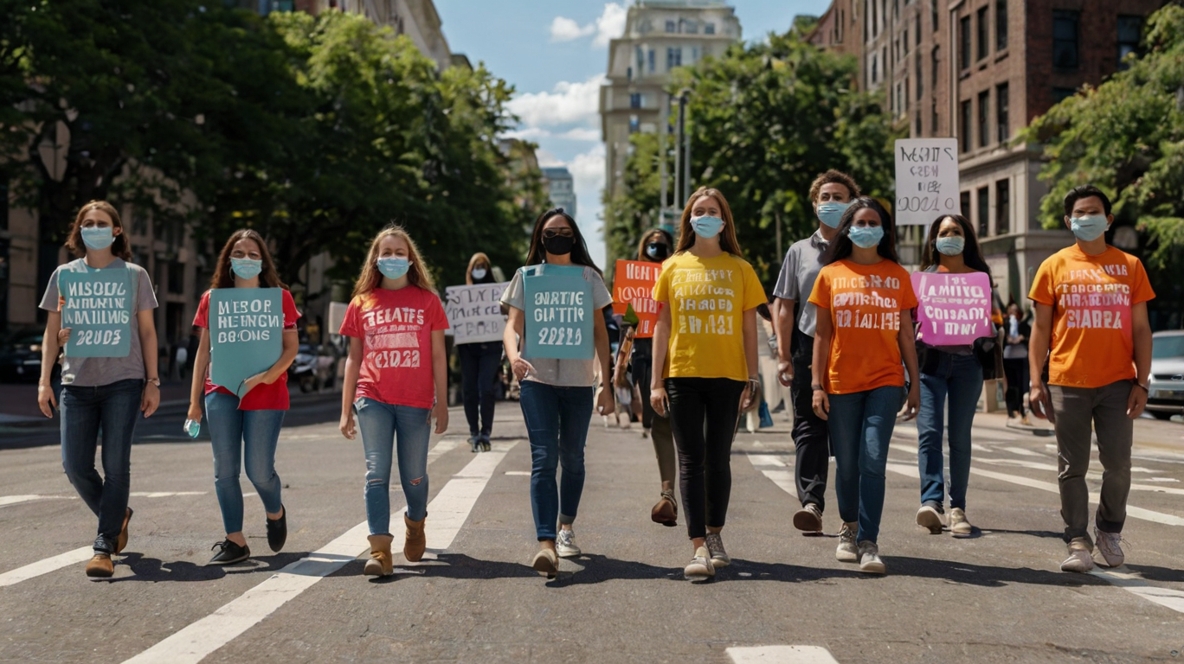
Political Activism: The New Generation of Leaders in 2024
In recent years, political activism has evolved dramatically, with a new wave of young leaders taking charge of global movements and reshaping political discourse. As we move into 2024, the role of activism in influencing national and international politics has never been more prominent. From climate action to social justice, activism trends are pushing boundaries and driving change on a scale we’ve never seen before.
This blog explores how political activism is being led by a new generation of political leaders, and why their influence is likely to dominate in the coming years.
The Rise of the New Political Leaders
Political activism in 2024 is no longer the sole domain of seasoned political veterans or established parties. Young leaders—many of whom are part of global social movements—are leading the charge. These activists are challenging the status quo, leveraging digital platforms, and advocating for policy changes that reflect the pressing issues of our time. But who are these new political leaders, and what’s driving their activism?
1. Youth-Led Movements
In 2024, youth-led movements are at the forefront of political activism, marking a shift in how power is distributed in politics. The millennial and Gen Z generations are embracing activism as a means of addressing systemic issues, advocating for climate action, economic equality, gender rights, and more.
- Climate Action Leaders: Inspired by Greta Thunberg and organizations like Fridays for Future, young activists are continuing to challenge world leaders on climate change. They are demanding urgent action on reducing carbon emissions, transitioning to renewable energy, and preserving the environment for future generations.
- Social Justice Advocates: In the wake of movements like Black Lives Matter, #MeToo, and March for Our Lives, young people are fighting for racial equality, gender rights, and gun control. These movements are gaining traction globally, with new leaders emerging at the local, national, and international levels.
- Economic Justice Campaigners: Young political leaders are also addressing economic inequality by pushing for policies like universal healthcare, living wages, and more equitable taxation. They advocate for a world where wealth is distributed more evenly, and economic opportunities are accessible to all.
2. Digital Activism and Social Media Influence
The rise of social media has been a game-changer for political activism, allowing young leaders to bypass traditional media channels and connect directly with their followers. Platforms like Twitter, Instagram, TikTok, and YouTube have become virtual battlefields for activism, where youth are mobilizing, organizing protests, and influencing policy debates.
- Hashtags and Viral Movements: Movements like #ClimateStrike, #EndSARS, and #TimesUp gained global attention, proving that digital activism can lead to tangible political results. By leveraging the power of viral content and collective action, young political leaders are reshaping how activism is conducted and how issues are brought to the global stage.
- Influencer Activism: Social media influencers, many of whom are under 30, are becoming central figures in political activism. With millions of followers, these young leaders are using their platforms to raise awareness, organize protests, and fundraise for causes ranging from climate change to refugee rights.
3. Intersectionality and Global Activism
A key feature of political activism in 2024 is its growing focus on intersectionality—the understanding that social issues like race, gender, class, and disability are interconnected. The new generation of activists is advocating for a more holistic approach to political issues, recognizing that solutions to one problem must address others.
- Global Movements: Activism in 2024 is increasingly global. Young leaders are collaborating across borders, using global networks to amplify their voices and connect disparate movements. From the pro-democracy protests in Hong Kong to the climate justice movements in the Global South, activism has gone beyond national politics to address global challenges.
- Inclusive Policies: The next generation of leaders is pushing for inclusive policies that consider the diverse needs of marginalized communities. They are calling for gender-neutral laws, equal rights for LGBTQ+ individuals, and economic policies that lift the most vulnerable in society.
4. Activism as Political Strategy
Many young leaders are no longer content with just protesting or advocating for change—they are actively engaging in political campaigns and running for office themselves. These activists are turning to traditional politics to achieve their goals, realizing that political power is the most effective way to create lasting change.
- Political Campaigns: In 2024, a new generation of activists is entering national politics. Alexandria Ocasio-Cortez, Ilhan Omar, and Ayanna Pressley are prime examples of activists who transitioned into political leadership. They are using their platforms to challenge entrenched systems of power and advocate for progressive policies.
- Local Activism: Local activism is another key focus. Many young leaders are running for local offices, realizing that political change often starts at the grassroots level. Whether it’s advocating for affordable housing, school reform, or police accountability, the new generation of activists is engaging in political campaigns to bring about concrete change in their communities.
Key Activism Trends in 2024
As political activism continues to grow in 2024, several key trends are emerging that are shaping the future of global politics:
1. Climate and Environmental Justice
One of the most dominant activism trends is the fight for climate justice. In 2024, climate activism is intensifying as the urgency of the climate crisis becomes more apparent. Young activists are calling for stronger actions from governments and corporations to address environmental degradation and ensure a sustainable future.
- Green New Deal: The push for a Green New Deal and other progressive environmental policies is gaining traction, especially among younger voters. Activists are calling for bold investments in renewable energy, public transportation, and sustainable farming.
2. Political Accountability and Transparency
The new generation of activists is demanding greater accountability from politicians and public figures. From anti-corruption campaigns to calls for more democratic participation, youth-led movements are challenging the entrenched political elites and demanding transparency.
- Digital Transparency: Activists are also pushing for greater transparency in government and corporate practices, using digital tools to track and expose corruption, human rights violations, and other political abuses.
3. Human Rights and Social Justice
The human rights movement continues to grow in 2024, with young leaders advocating for the rights of refugees, immigrants, racial minorities, and LGBTQ+ communities. These activists are working to eliminate discrimination, promote equality, and ensure that marginalized groups have a voice in politics.
- Global Protests: From the streets of Myanmar to Brazil to Russia, young leaders are organizing global protests to demand justice, democracy, and human rights.
4. Feminism and Gender Equality
Feminism continues to be a central cause for the new generation of political activists. Young leaders are pushing for gender equality in the workplace, in politics, and in society at large.
- Women in Leadership: A growing number of young women are taking leadership roles in political movements and political office, advocating for equal pay, reproductive rights, and an end to gender-based violence.