




















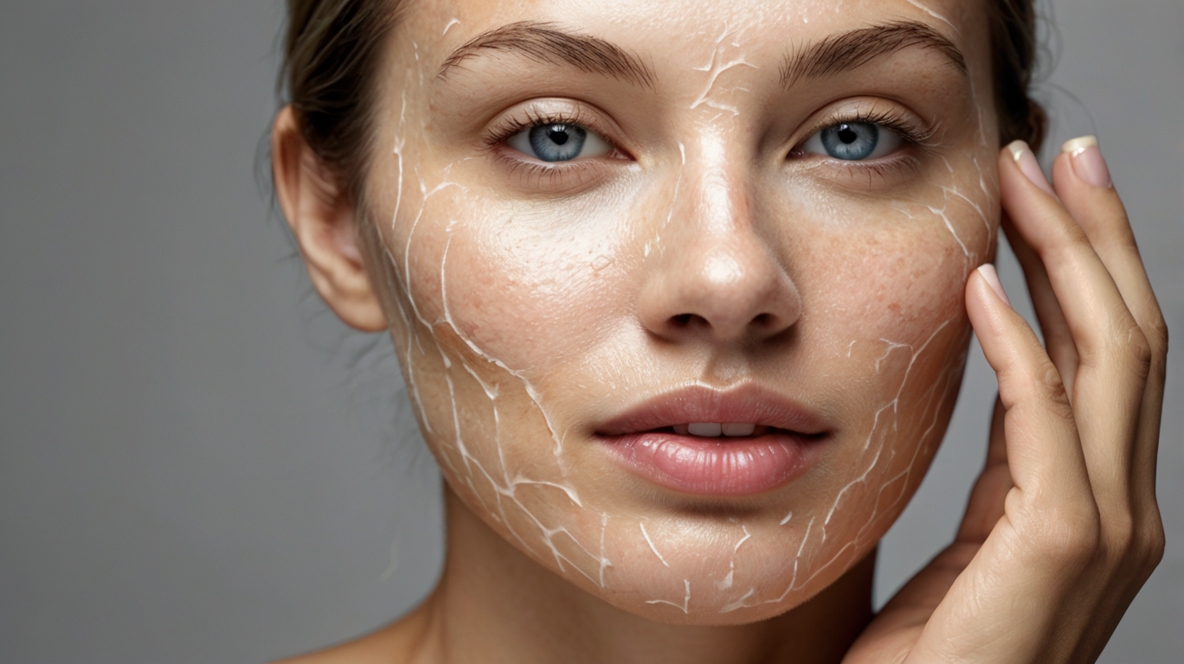
Achieving How to Maintain Healthy Skin , glowing skin is a goal for many, but with so much conflicting skincare advice, it can be challenging to know where to begin. To help you on your journey, we’ve gathered top dermatologist-approved tips that will keep your skin looking radiant and healthy. From hydration to sun protection, these insights will help you craft the ideal skincare routine for lasting results.
1. Stay Hydrated: Hydration is Key
Water is essential for skin health. Dermatologists recommend drinking at least 8 glasses of water a day to keep your skin hydrated from the inside out. Staying hydrated helps to maintain skin elasticity, reduce fine lines, and promote a plump, youthful appearance. Using a hydrating moisturizer with hyaluronic acid can also help lock in moisture, ensuring that your skin stays smooth and supple.
2. Sunscreen is Non-Negotiable
One of the top dermatologist tips for maintaining healthy skin is to always wear sunscreen, even on cloudy days. Prolonged sun exposure can lead to premature aging, wrinkles, and skin cancer. Look for a broad-spectrum sunscreen with at least SPF 30 to protect against harmful UV rays. Apply it generously and reapply every two hours, especially if you’re outdoors for an extended period.
3. Gentle Cleansing is a Must
Over-washing or using harsh products can strip your skin of its natural oils, leading to dryness and irritation. Opt for a gentle cleanser that suits your skin type—whether it’s oily, dry, or combination. Dermatologists recommend cleansing your face twice a day, once in the morning and once before bed, to remove dirt, makeup, and impurities that can clog pores.
4. Exfoliate for a Radiant Glow
Exfoliation is a crucial step in maintaining glowing skin, as it removes dead skin cells that can cause a dull complexion. However, dermatologists caution against over-exfoliating, as this can lead to irritation and inflammation. Stick to exfoliating 2-3 times a week with a mild exfoliant containing alpha hydroxy acids (AHAs) or beta hydroxy acids (BHAs) to encourage cell turnover and promote a brighter, smoother complexion.
5. Moisturize Daily
Whether your skin is oily, dry, or somewhere in between, daily moisturizing is essential for maintaining a healthy skin barrier. Choose a lightweight, non-comedogenic moisturizer for oily skin or a richer cream for dry skin. Moisturizers with ceramides and glycerin can help reinforce your skin’s natural barrier, locking in moisture and protecting against environmental pollutants.
6. Incorporate Antioxidants
Antioxidants, such as vitamin C and E, are essential for protecting your skin from free radical damage caused by pollution and sun exposure. Dermatologists recommend incorporating a vitamin C serum into your morning routine to brighten the skin and reduce the appearance of dark spots. Antioxidants help promote collagen production and reduce inflammation, resulting in healthier, more resilient skin.
7. Prioritize Sleep
Getting enough sleep is one of the simplest yet most effective skincare tips. When you sleep, your skin enters a regeneration phase, repairing damage from the day. Lack of sleep can lead to a dull complexion, dark circles, and breakouts. Aim for 7-9 hours of quality sleep each night to wake up with refreshed, glowing skin.
8. Eat a Balanced Diet
Dermatologists emphasize the importance of a balanced diet for healthy skin. Foods rich in omega-3 fatty acids, such as salmon and walnuts, can reduce inflammation and keep your skin hydrated. Antioxidant-rich fruits and vegetables, like berries, spinach, and avocados, also play a crucial role in promoting a healthy, glowing complexion from the inside out.
9. Limit Sugar and Processed Foods
Excessive sugar and processed foods can trigger breakouts and accelerate aging by causing inflammation and collagen breakdown. Dermatologists suggest cutting back on sugary snacks and processed meals, opting instead for whole foods like lean proteins, fresh fruits, and vegetables to nourish your skin.
10. Consult with a Dermatologist
For personalized skincare advice, it’s always best to consult with a dermatologist. They can assess your skin type, recommend the best products, and offer treatments for specific concerns like acne, hyperpigmentation, or aging. Regular check-ups ensure that your skin remains healthy and glowing for the long term.