























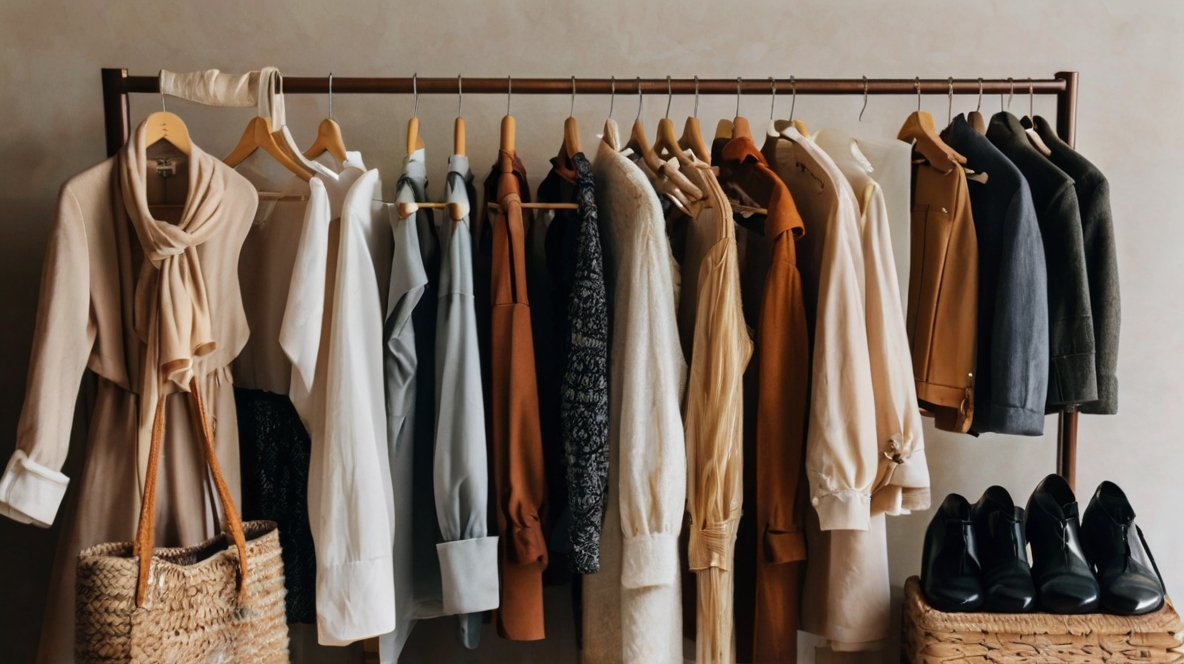
In today’s world, building a sustainable wardrobe is more important than ever. As consumers become increasingly aware of the environmental impact of fast fashion, eco-friendly fashion has emerged as a viable alternative. Creating a sustainable wardrobe not only helps reduce waste but also supports ethical practices within the fashion industry. Here’s how you can transition to a greener, more sustainable wardrobe and make a positive impact on the planet.
1. Understand the Concept of a Sustainable Wardrobe
A sustainable wardrobe is one that prioritizes durability, ethical production, and minimal environmental impact. Unlike fast fashion, which emphasizes frequent, low-cost purchases, a sustainable wardrobe focuses on quality over quantity. This means investing in timeless pieces that are versatile and made from eco-friendly materials.
2. Choose Eco-Friendly Fashion Brands
When building a sustainable wardrobe, it’s crucial to support brands that are committed to eco-friendly practices. Look for brands that use organic or recycled materials, employ fair labor practices, and have transparent supply chains. Certifications like Global Organic Textile Standard (GOTS) and Fair Trade can help you identify genuinely sustainable brands.
3. Opt for Quality Over Quantity
One of the key principles of eco-friendly fashion is to buy less but buy better. Invest in high-quality, durable pieces that will last longer and withstand trends. Classic items such as well-fitted jeans, a versatile blazer, or a cozy sweater are excellent additions to any sustainable wardrobe.
4. Incorporate Second-Hand and Vintage Finds
Thrift shopping and vintage clothing are fantastic ways to build a sustainable wardrobe while adding unique pieces to your collection. Shopping second-hand not only reduces waste but also minimizes the demand for new resources. Many online platforms and local thrift stores offer a wide range of stylish and affordable options.
5. Practice Mindful Purchasing
Before making a purchase, ask yourself if the item is something you’ll wear often and if it aligns with your eco-friendly fashion goals. Consider the environmental impact of the materials and the manufacturing process. By making thoughtful decisions, you can avoid impulse buys and build a wardrobe that reflects your commitment to sustainability.
6. Care for Your Clothes
Proper garment care extends the life of your clothing and reduces the need for replacements. Follow care instructions to wash and store your clothes correctly, and consider eco-friendly laundry products. Simple practices like air-drying clothes and repairing minor damages can significantly contribute to a sustainable wardrobe.
7. Recycle and Upcycle
When it’s time to part with items in your wardrobe, make sure to recycle or upcycle them instead of sending them to the landfill. Donate gently used clothing to charities or repurpose them into new items. Many organizations and DIY projects can help you find creative ways to give your old clothes a new lease on life.
8. Educate Yourself and Stay Informed
The world of sustainable fashion is constantly evolving, so staying informed about new developments, materials, and brands can help you make better choices. Follow blogs, documentaries, and industry news to keep up with the latest trends in green style and eco-friendly fashion.