




















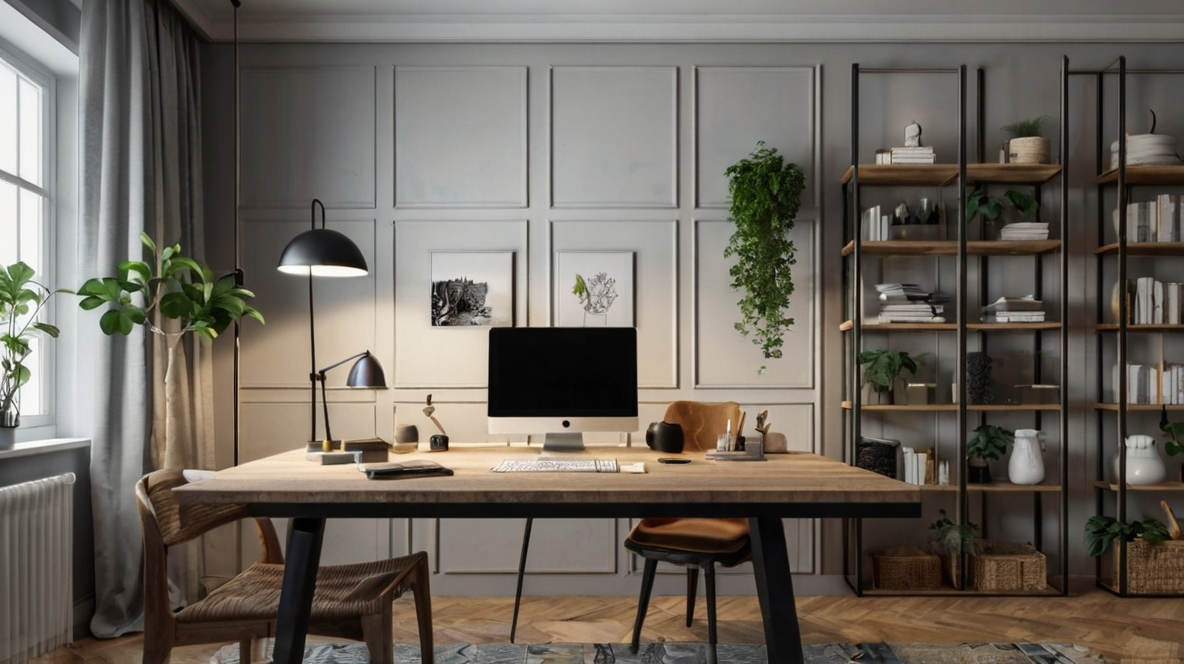
In today’s fast-paced world, more people are working from home than ever before. As we spend more time in our home offices, it’s essential to consider how our workspace impacts both our productivity and the environment. Creating a sustainable home office not only helps reduce your carbon footprint but also promotes a healthier, more efficient work environment. In this guide, we’ll explore practical ways to design an eco-friendly workspace while enhancing your productivity.
Why a Sustainable Home Office Matters
The concept of a sustainable home office goes beyond just saving energy; it’s about creating a space that is environmentally responsible, cost-effective, and conducive to productivity. By integrating eco-friendly design principles into your home office, you can significantly reduce your energy consumption, minimize waste, and create a healthier work environment.
1. Choose Sustainable Furniture
When setting up your sustainable home office, start with your furniture. Opt for desks, chairs, and storage units made from reclaimed or sustainably sourced materials. Bamboo, for example, is an excellent choice due to its rapid growth and minimal environmental impact. Additionally, consider buying second-hand or refurbished furniture to reduce waste and support a circular economy.
2. Optimize Natural Lighting
Maximizing natural light is a key element of eco-friendly design. Position your desk near a window to take advantage of daylight, reducing the need for artificial lighting. Not only does this save energy, but natural light has been shown to improve mood and productivity. If natural light is limited, use energy-efficient LED bulbs that consume less power and last longer than traditional incandescent bulbs.
3. Improve Air Quality with Plants
Incorporating indoor plants into your sustainable home office is an easy way to enhance air quality and create a calming atmosphere. Plants like snake plants, spider plants, and peace lilies are known for their air-purifying qualities. They absorb toxins and release oxygen, making your workspace healthier and more pleasant. Plus, studies have shown that plants can boost productivity and creativity.
4. Invest in Energy-Efficient Technology
Energy-efficient devices are essential in an eco-friendly home office. Choose computers, monitors, and printers with high Energy Star ratings, as these products are designed to consume less energy. Additionally, consider using a smart power strip that automatically turns off power to devices that are not in use, further reducing your energy consumption.
5. Reduce Paper Waste
In the digital age, it’s easier than ever to minimize paper use in your sustainable home office. Switch to digital note-taking, file storage, and communication whenever possible. If you must use paper, opt for recycled paper and print on both sides. Shredding and recycling paper waste can also help reduce your environmental impact.
6. Create a Comfortable and Ergonomic Workspace
A sustainable home office should be comfortable and ergonomic to support long-term productivity. Invest in an ergonomic chair and adjustable desk to maintain proper posture and reduce strain. A well-designed workspace not only enhances comfort but also minimizes the risk of injury, allowing you to work more efficiently.
7. Embrace Minimalism
Clutter can be a major distraction in any workspace. Embrace minimalism in your sustainable home office by keeping only the essentials within reach. This approach not only reduces waste but also creates a more organized and focused work environment. Decluttering can lead to increased productivity and a clearer mind.
8. Use Eco-Friendly Office Supplies
Choose office supplies made from recycled or sustainable materials. From notebooks to pens, there are eco-friendly alternatives for almost every office essential. Additionally, look for non-toxic, biodegradable cleaning products to maintain a healthy and sustainable workspace.
9. Implement Sustainable Habits
Creating a sustainable home office goes beyond the physical setup—it’s about adopting sustainable habits. Simple actions like unplugging devices when not in use, turning off lights when leaving the room, and reducing heating or cooling when possible can make a significant difference over time.
10. Regularly Reevaluate and Improve
A truly sustainable home office is an evolving space. Regularly reassess your workspace and habits to identify areas for improvement. As new eco-friendly products and technologies become available, consider integrating them into your office to further reduce your environmental impact and enhance your productivity.