




















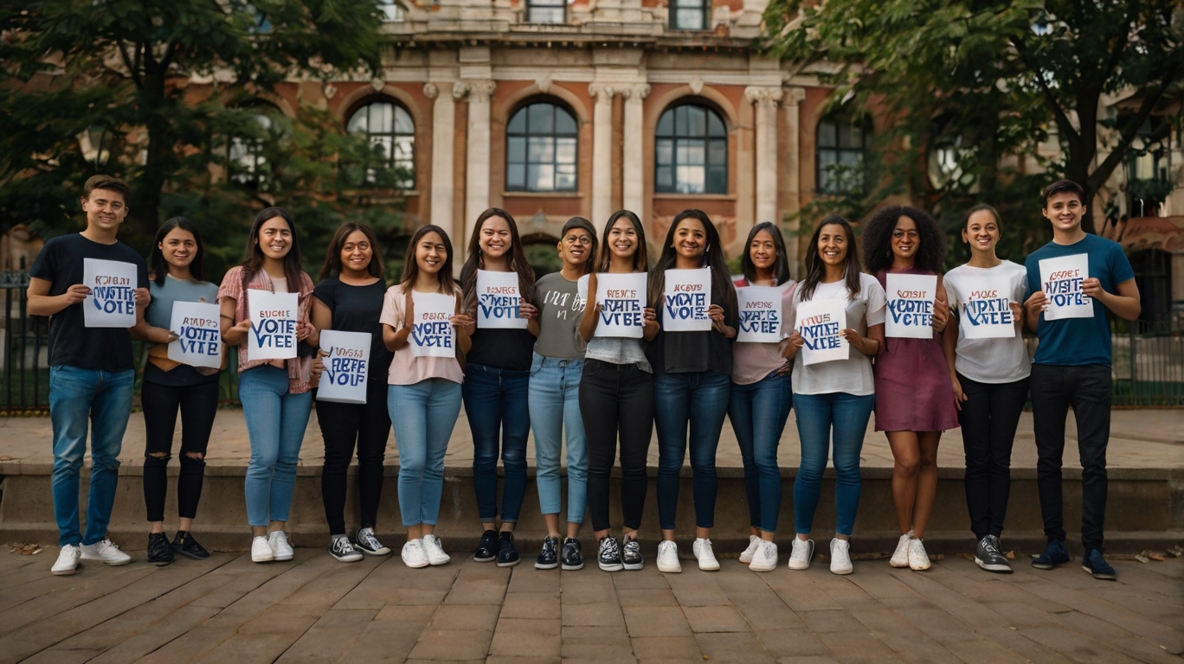
How the Youth Vote is Shaping Political Outcomes in 2024: The Power of Young Voters
As we enter the political landscape of 2024, one thing is clear: young voters are no longer just a secondary demographic; they are a primary force driving political outcomes around the globe. From elections in the United States to political movements in Europe, the influence of the youth vote is stronger than ever before.
In recent years, we’ve witnessed a significant shift in political engagement, with millennials and Gen Z stepping up to influence policy debates, election results, and the direction of government. This article explores how the youth vote in 2024 is shaping elections, how young people are using their political power, and what this means for the future of governance.
The Growing Influence of the Youth Vote in 2024
The youth vote refers to the participation of young people, typically those aged 18-35, in elections. Over the last few election cycles, young voters have proven to be increasingly engaged, particularly on issues like climate change, social justice, economic inequality, and education. In 2024, their participation is expected to be a game-changer in both local and national elections.
1. A Larger Share of the Electorate
In 2024, young voters represent an ever-larger share of the electorate. According to the U.S. Census Bureau, voters aged 18 to 34 made up about 36% of the electorate in the 2020 U.S. Presidential Election. As the youth population continues to grow and become more politically engaged, this group is increasingly pivotal in shaping the outcome of key elections.
2. Increased Political Awareness
With the rise of social media and greater access to information, young voters in 2024 are more politically aware than ever before. Digital platforms like Twitter, TikTok, and Instagram are not only places for social interaction but also powerful tools for political activism. Young people are engaging with political content, organizing protests, and discussing policies in real-time, often driving the conversation that influences elections.
3. Shift Toward Progressive Policies
Many young voters in 2024 lean toward progressive policies that prioritize climate action, universal healthcare, student debt relief, and social justice reform. This shift has forced political candidates to adjust their platforms to meet the demands of younger voters, who are no longer satisfied with traditional political rhetoric.
Key Issues Driving the Youth Vote in 2024
1. Climate Change and Environmental Justice
One of the most significant issues driving young voters in 2024 is climate change. The growing threat of climate disasters and the urgency to adopt sustainable policies have made environmental justice a top priority for younger generations. Political candidates who fail to address this issue may risk losing the support of young voters.
- Example: In countries like the United States, youth-driven movements like Sunrise Movement and Fridays for Future have been pushing for Green New Deal policies and more aggressive climate action.
2. Social Justice and Equality
Young voters are also deeply concerned about issues of social justice, racial inequality, and gender rights. From the Black Lives Matter movement to the LGBTQ+ rights movement, younger generations are demanding that political leaders implement policies that promote equality and inclusion for all.
- Example: In Europe, young voters have played a significant role in pushing governments to adopt more inclusive policies, particularly around issues like immigration, refugee rights, and racial justice.
3. Economic Inequality and Student Debt
Economic inequality remains a major issue for young voters. Many are burdened with student loan debt, faced with housing affordability issues, and struggling with the increasing cost of living. These challenges have made young voters more likely to support candidates advocating for student debt relief, living wages, and universal basic income.
- Example: In the United States, candidates like Bernie Sanders have resonated with young voters due to their strong positions on free public college education and student loan forgiveness.
4. Healthcare Access
In many countries, access to affordable healthcare is a top concern. In 2024, young voters are more likely to support policies that expand universal healthcare and make healthcare more affordable, particularly in light of the COVID-19 pandemic and its economic fallout.
- Example: In the U.S., young people have overwhelmingly supported Medicare for All and other progressive healthcare policies aimed at providing affordable coverage for everyone.
The Impact of the Youth Vote on Political Outcomes in 2024
The youth vote in 2024 is expected to have a profound impact on the outcome of elections, both in terms of the candidates who win and the policies that are prioritized. The growing political power of young voters is forcing political parties and candidates to rethink their strategies, adapt their messages, and cater to the concerns of the younger generation.
1. Changing Political Parties
In countries like the United States and the United Kingdom, the rise of young voters has led to a shift in political party dynamics. Parties that once relied on older, conservative voter bases are now trying to appeal to younger generations through progressive policies. This has resulted in the emergence of new political movements, such as the Democratic Socialists of America (DSA) in the U.S. or the Green Party in Europe.
- Example: In the U.S., Bernie Sanders’ 2016 and 2020 campaigns saw significant support from younger voters, pushing the Democratic Party further left on issues like healthcare, climate change, and economic reform.
2. Impact on Elections
In 2024, young voters are expected to play a key role in swing states and battleground regions. Their turnout could be the deciding factor in presidential elections, congressional races, and local elections. Political analysts predict that if young voter turnout is high, the outcome could tilt toward progressive candidates who advocate for change.
- Example: In the 2020 U.S. Presidential Election, the youth vote was instrumental in turning key states like Georgia and Arizona blue, helping to secure Joe Biden’s victory.
3. Youth-Led Movements and Political Activism
The rise of youth-led movements is also a key factor shaping political outcomes. From organizing protests to launching social media campaigns, young people are no longer passive participants in politics; they are driving the conversation. In 2024, youth activism will continue to push politicians to address their concerns.
- Example: The March for Our Lives movement, led by survivors of school shootings, has placed gun control at the forefront of the political agenda, with young voters demanding action.
Why the Youth Vote Matters in 2024
The importance of the youth vote in 2024 cannot be overstated. Not only are young voters driving political change, but they are also setting the stage for long-term shifts in the political landscape. As they become more involved in politics, their influence will continue to grow, shaping the future of democracy around the world.
For political candidates, it is clear that engaging with young voters is no longer optional—it is essential for success. Understanding the issues that matter most to this demographic and making genuine efforts to address them will be key to winning elections in 2024 and beyond.