




















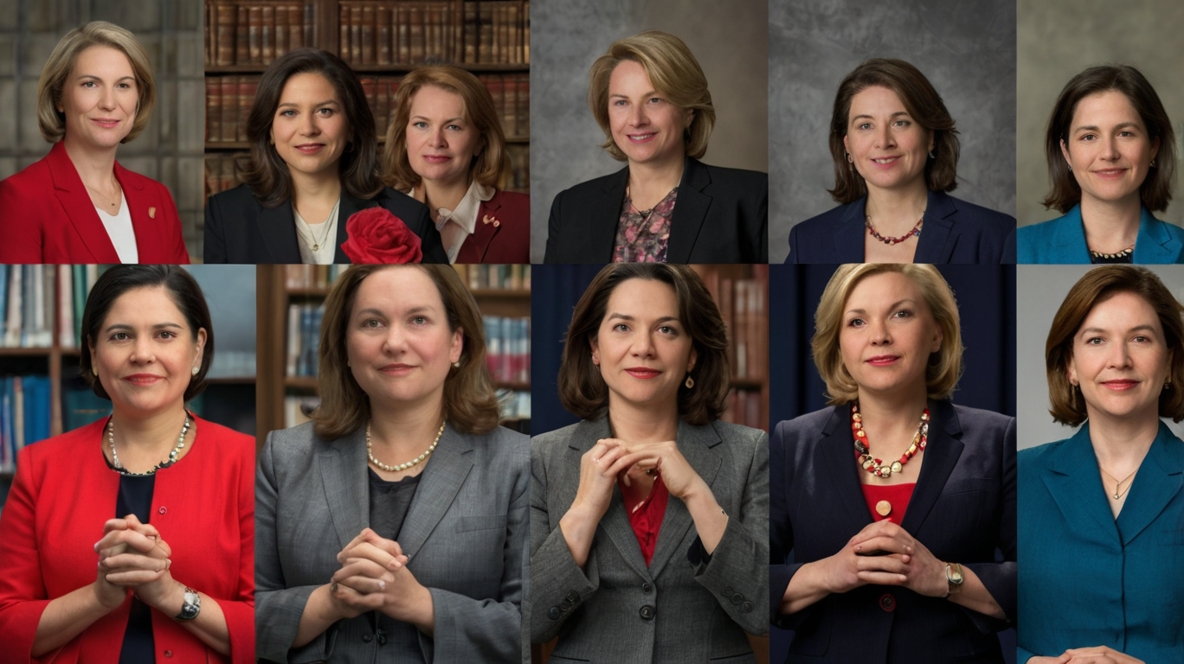
Gender and Politics: The Rise of Women in Political Leadership in 2024
In recent years, women in politics have made remarkable strides toward breaking traditional gender barriers and achieving leadership positions globally. From prime ministers and presidents to cabinet members and parliamentarians, women are increasingly influencing political leadership across the world. In 2024, the momentum behind gender diversity in political leadership continues to grow, transforming the global political landscape. This article explores the rise of women in political leadership, the challenges they face, and how their leadership is reshaping the political world.
The Increasing Presence of Women in Political Leadership
Historically, politics has been dominated by men, with women often relegated to lower positions of influence. However, in recent years, women have begun to shatter these barriers, with an increasing number of women ascending to high political office. In 2024, the number of female leaders is expected to increase further, as both established and emerging democracies increasingly recognize the value of gender diversity in leadership.
Notable Female Political Leaders in 2024:
- Sanna Marin (Finland): As one of the youngest serving prime ministers, Sanna Marin has gained global recognition for her leadership style, which emphasizes social justice, gender equality, and climate action.
- Jacinda Ardern (New Zealand): While Jacinda Ardern stepped down as Prime Minister in 2023, her leadership during the COVID-19 pandemic, focus on mental health, and compassionate approach to governance left a lasting impact on global politics.
- Kamala Harris (United States): As the first female Vice President of the United States, Kamala Harris has become a global symbol of women’s political empowerment, advocating for equality, justice, and women’s rights.
- Ursula von der Leyen (European Union): The President of the European Commission, Ursula von der Leyen, is leading efforts on a range of issues, including climate change, digital transformation, and economic recovery.
- Ngozi Okonjo-Iweala (World Trade Organization): As the first woman and first African to head the World Trade Organization, Ngozi Okonjo-Iweala is influencing global trade policies and development.
These leaders and many more are paving the way for women in politics to play a more prominent role on the world stage, whether at the helm of countries or in influential international organizations.
The Importance of Gender Leadership in 2024
Gender leadership is not just about breaking the glass ceiling; it is also about offering different perspectives, styles of governance, and solutions to the challenges of the modern world. Studies have shown that diverse leadership—including gender diversity—leads to better decision-making, more comprehensive policy solutions, and more representative governance.
Why Gender Diversity in Political Leadership Matters:
- Inclusive Representation: Women make up roughly half of the global population, yet they are often underrepresented in political offices. Increasing women’s representation ensures that policies and laws reflect the needs and experiences of all citizens, not just one gender.
- Improved Governance: Women bring unique leadership qualities such as empathy, collaboration, and compassion, which can enhance governance. These qualities can foster social cohesion, peacebuilding, and the creation of inclusive policies.
- Advancement of Gender Equality: Women in political leadership positions are more likely to advocate for policies that promote gender equality and women’s rights, addressing issues like domestic violence, equal pay, and reproductive rights.
- Catalyst for Change: Female political leaders often champion progressive agendas, pushing for reforms in areas like healthcare, education, climate action, and social justice. Their leadership can act as a catalyst for broader societal change.
Impact on Global Political Trends in 2024:
- Increased Female Political Representation: As of 2024, the proportion of women in political positions is growing steadily. According to the Inter-Parliamentary Union, the global average for women in national parliaments has reached 25%, with countries like Rwanda, Sweden, and Norway leading the way with near gender parity in their legislatures.
- Gender Equality Policies: Countries with more women in leadership roles are increasingly implementing policies that aim to address gender inequality. These include equal pay legislation, gender quotas in government, and stronger protections against gender-based violence.
Challenges Facing Women in Political Leadership
Despite the strides made in increasing female political leadership, women still face significant challenges in political life. Gender bias, cultural norms, and political violence are just a few of the barriers that women must navigate as they pursue careers in politics.
Key Challenges for Women in Politics:
- Gender Stereotypes: Women in politics are often judged more harshly than their male counterparts. They face criticism about their leadership styles, appearances, and personal lives, and are frequently expected to prove themselves more than men to gain credibility.
- Political Violence and Harassment: Women in politics are at a heightened risk of experiencing gender-based violence, harassment, and even death threats. Female leaders, candidates, and activists frequently face targeted online abuse and physical threats, particularly in conflict zones or politically unstable regions.
- Underrepresentation in Political Parties: Women often struggle to gain a foothold in political parties, particularly in leadership roles. Party structures, which are traditionally male-dominated, can make it difficult for women to rise through the ranks and gain visibility.
- Work-Life Balance: Political life is demanding, with long hours and frequent travel, which can make it difficult for women, especially those with families, to balance work and personal life.
How to Overcome These Barriers:
To create a truly inclusive political system, it’s essential that political institutions, parties, and governments put in place measures to address these challenges, such as:
- Gender quotas in elections and political parties.
- Safe spaces for women in politics, including anti-harassment measures and mental health support.
- Flexible work policies that help women balance their professional and personal responsibilities.
- Mentorship programs that help women navigate the political landscape and build the networks they need to succeed.
The Road Ahead: What’s Next for Women in Political Leadership?
The rise of women in political leadership is not just a trend—it’s an important step toward creating more inclusive, diverse, and equitable governance systems worldwide. As we move further into 2024 and beyond, we can expect more women leaders to emerge, particularly in countries where gender parity in politics is being actively pursued.
In the next decade, we will likely see even greater strides toward gender equality, as global networks of women leaders work together to promote social justice, climate change action, economic equality, and peacebuilding. Female leadership will continue to redefine global politics, offering new pathways for cooperation and change.
Key Areas of Growth for Women in Politics:
- Increased Female Representation in Leadership: More women are expected to occupy top political offices, from presidents and prime ministers to key roles in international organizations.
- Feminist Foreign Policies: As more women hold positions of power, we may see the rise of feminist foreign policies focused on global gender equality, human rights, and sustainable development.
- Global Solidarity: Women political leaders are forming global networks to support each other, share strategies, and advocate for policies that benefit gender equality and social justice.