




















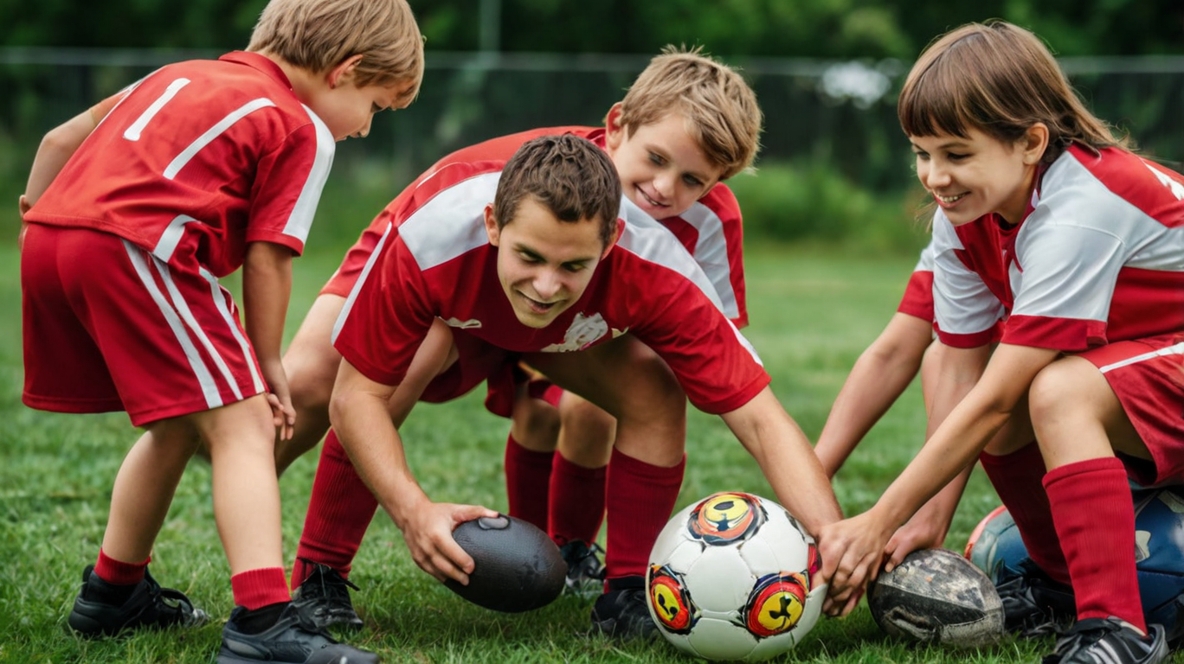
Best Team Sports for Building Social Skills offer more than just physical fitness—they’re powerful tools for developing social skills, communication, and emotional intelligence. Whether you’re a parent looking to help your child build confidence or an adult seeking to strengthen interpersonal connections, engaging in team-based activities can lead to meaningful social development. In this article, we explore the best team sports for building social skills across all age groups.
Why Team Sports Matter for Social Development
Playing in a team teaches individuals how to collaborate, listen, express themselves, and resolve conflicts. It builds trust, empathy, leadership, and resilience—key skills needed in both personal and professional life. The sense of community and shared goals promotes lasting friendships and improves mental well-being.
Top 7 Team Sports That Boost Social Skills
1. Soccer (Football)
Soccer is one of the most widely played team sports globally. It encourages players to communicate constantly on the field, understand each other’s roles, and work toward a common objective. It’s ideal for both kids and adults looking to build coordination and group dynamics.
Social Benefits:
-
Improves verbal and non-verbal communication
-
Teaches cooperation and respect
-
Builds leadership through roles like captains or playmakers
2. Basketball
Fast-paced and team-focused, basketball demands quick decision-making and strong collaboration. Players must pass, defend, and strategize together, enhancing their ability to connect under pressure.
Social Benefits:
-
Encourages trust and reliance on teammates
-
Develops active listening and giving feedback
-
Promotes inclusion and team spirit
3. Volleyball
Volleyball is perfect for teaching clear communication and coordination, as teams need to constantly call out plays and rotate positions.
Social Benefits:
-
Enhances verbal cues and cooperation
-
Promotes equal participation
-
Teaches patience and timing
4. Cricket
Cricket involves different player roles—batsman, bowler, fielders—which require specific forms of teamwork. Strategic planning and encouragement among players are crucial throughout the game.
Social Benefits:
-
Encourages strategic discussions
-
Promotes mutual support and team bonding
-
Fosters leadership development
5. Baseball/Softball
These sports involve a balance of individual contribution and team reliance. Players must cheer each other on and maintain high morale, making it great for developing empathy and camaraderie.
Social Benefits:
-
Builds sportsmanship
-
Encourages verbal support and praise
-
Fosters patience and team trust
6. Hockey (Field/Ice)
Hockey is highly dependent on fluid teamwork and rapid communication. It requires players to think on their feet and adapt based on team movement and opponent strategy.
Social Benefits:
-
Boosts collaboration and quick decision-making
-
Teaches team responsibility
-
Develops conflict resolution under stress
7. Rugby
Rugby emphasizes trust, resilience, and unity. Players protect each other during physical contact, forming deep bonds and learning to value every team member’s role.
Social Benefits:
-
Promotes leadership and teamwork under pressure
-
Teaches emotional regulation
-
Enhances group cohesion and trust