




















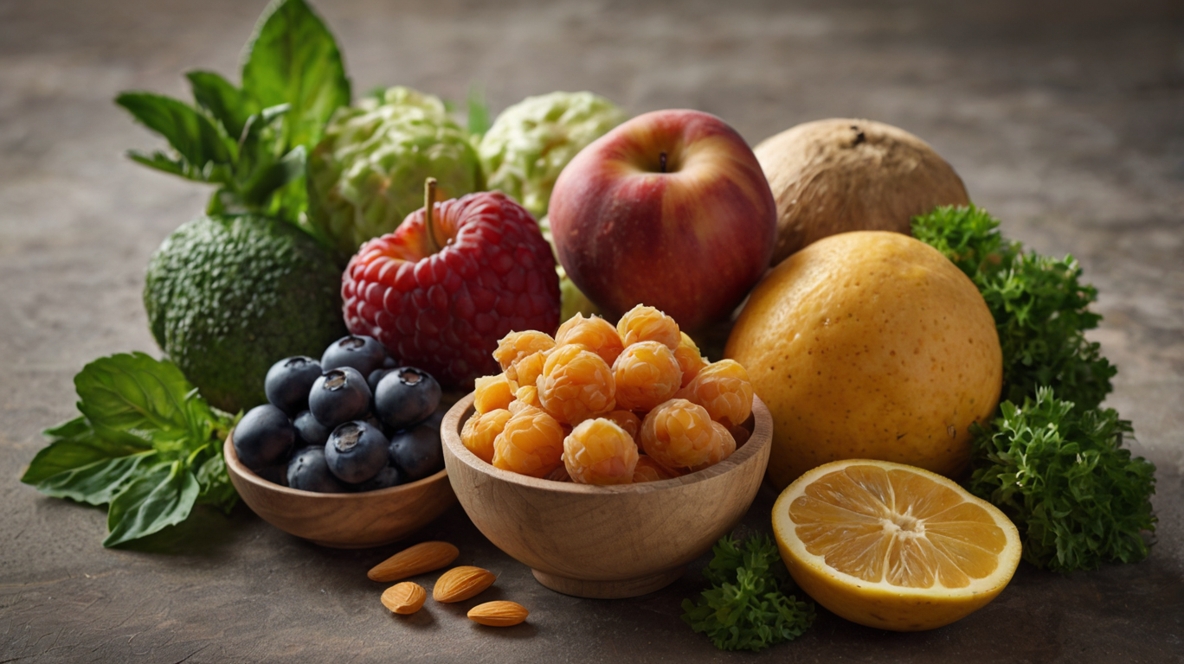
Best Organic Foods for a Clean Diet
Clean eating is more than just a trend; it’s a lifestyle choice focused on consuming whole, natural foods that nourish your body. Incorporating organic foods into your diet is one of the best ways to embrace this approach. Organic foods are grown without synthetic pesticides, herbicides, or genetically modified organisms (GMOs), making them healthier and more sustainable options for you and the planet.
Here’s a curated list of the best organic foods to enhance your clean eating journey and tips on how to include them in your daily meals.
1. Organic Leafy Greens
Leafy greens like kale, spinach, and Swiss chard are nutrient powerhouses loaded with vitamins A, C, and K, as well as minerals like iron and calcium. Organic varieties are free from harmful pesticides, making them a safer choice for your diet.
How to Enjoy Them:
- Add them to salads, smoothies, or wraps.
- Sauté with garlic and olive oil for a simple side dish.
2. Organic Berries
Strawberries, blueberries, raspberries, and blackberries are antioxidant-rich and perfect for satisfying a sweet tooth. Organic berries are especially important as conventional varieties often have high pesticide residue.
How to Enjoy Them:
- Blend them into smoothies or yogurt bowls.
- Use them as a topping for oatmeal or desserts.
3. Organic Nuts and Seeds
Almonds, walnuts, chia seeds, and flaxseeds are packed with healthy fats, protein, and fiber. Choosing organic ensures you’re avoiding chemical residues often found in conventional options.
How to Enjoy Them:
- Sprinkle them on salads or smoothies.
- Use them in baking or as a snack.
4. Organic Whole Grains
Quinoa, brown rice, oats, and millet are excellent sources of complex carbohydrates and fiber. Organic grains are non-GMO and free from harmful additives.
How to Enjoy Them:
- Cook as a base for bowls or stir-fries.
- Use organic oats for breakfast porridge or baking.
5. Organic Dairy or Plant-Based Alternatives
If you consume dairy, choose organic milk, cheese, and yogurt to avoid hormones and antibiotics. For plant-based diets, organic almond, soy, or oat milk are excellent clean-eating choices.
How to Enjoy Them:
- Use in smoothies or coffee.
- Add to cereals or baked goods.
6. Organic Eggs
Organic eggs come from chickens that are raised on organic feed and without antibiotics or hormones. They’re a great source of protein and essential nutrients like choline.
How to Enjoy Them:
- Cook scrambled, poached, or boiled for breakfast.
- Use in baking or salads.
7. Organic Vegetables
Root vegetables like carrots, sweet potatoes, and beets are rich in fiber and vitamins. Choosing organic ensures you’re avoiding harmful chemicals that may linger in the soil.
How to Enjoy Them:
- Roast them with olive oil and herbs.
- Blend them into soups or stews.
8. Organic Meat and Poultry
For meat lovers, organic chicken, beef, and pork are raised without antibiotics, hormones, or GMO feed, offering a cleaner protein source.
How to Enjoy Them:
- Grill or roast for a hearty meal.
- Add to soups, stews, or tacos.
9. Organic Legumes
Chickpeas, lentils, and black beans are versatile, plant-based proteins loaded with fiber and essential nutrients. Organic options ensure they’re grown without synthetic fertilizers or pesticides.
How to Enjoy Them:
- Use in salads, soups, or stews.
- Blend into hummus or dips.
10. Organic Herbs and Spices
Organic herbs and spices like turmeric, basil, oregano, and cinnamon can elevate your meals while providing antioxidants and anti-inflammatory benefits.
How to Enjoy Them:
- Season your dishes for added flavor.
- Brew organic herbal teas.
Why Choose Organic for Clean Eating?
- Fewer Chemicals:
Organic foods are free from synthetic pesticides, herbicides, and GMOs. - Nutrient-Rich:
Studies suggest organic produce may contain higher levels of certain nutrients. - Environmental Benefits:
Organic farming practices are more sustainable, reducing environmental impact. - Better Taste:
Many people find organic foods taste fresher and more flavorful.
Tips for Incorporating Organic Foods into Your Diet
- Start Small: Begin by switching to organic versions of the “Dirty Dozen” fruits and vegetables, which tend to have the highest pesticide residues.
- Shop Locally: Support local farmers’ markets for fresh, seasonal organic produce.
- Plan Ahead: Meal prepping with organic ingredients can make clean eating more convenient.
- Check Labels: Look for USDA Organic or other certified organic labels to ensure authenticity.