




















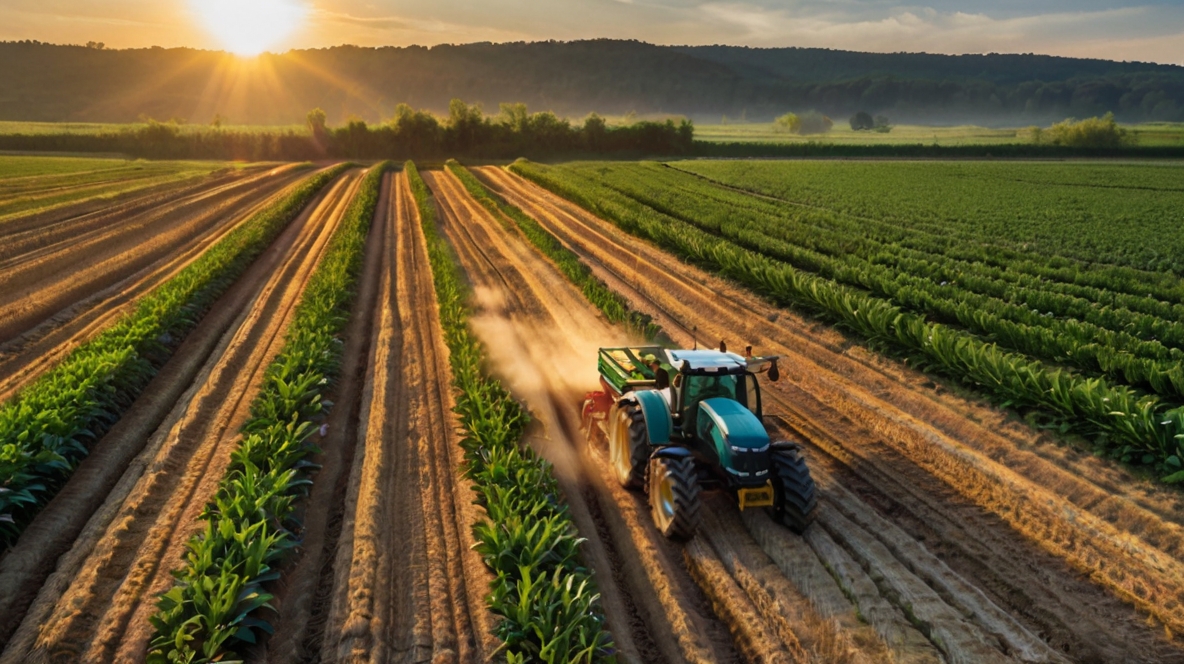
In the evolving landscape of agriculture, Artificial Intelligence (AI) is emerging as a transformative force. The integration of AI in agriculture is not only enhancing productivity but also promoting sustainability through precision farming techniques. This article explores how AI is revolutionizing agriculture, making farming practices more efficient, sustainable, and profitable.
The Role of AI in Agriculture
AI technologies are being deployed to tackle various agricultural challenges, from crop monitoring to soil health assessment. By leveraging machine learning, computer vision, and data analytics, AI provides farmers with actionable insights to make informed decisions.
Precision Farming: Enhancing Efficiency
Precision farming, also known as precision agriculture, involves using AI and other technologies to optimize field-level management regarding crop farming. This approach ensures that crops and soil receive exactly what they need for optimum health and productivity, minimizing waste and reducing environmental impact.
- Crop Monitoring and Management:
- Drones and Satellites: Equipped with multispectral and hyperspectral imaging sensors, drones and satellites capture high-resolution images of fields. AI algorithms analyze these images to monitor crop health, detect diseases, and identify pest infestations.
- IoT Sensors: Internet of Things (IoT) devices placed in fields collect real-time data on soil moisture, temperature, and nutrient levels. AI processes this data to provide precise irrigation and fertilization recommendations.
- Yield Prediction:
- AI models predict crop yields by analyzing historical data, weather patterns, and current field conditions. This helps farmers plan their harvests, manage supply chains, and make financial decisions.
- Automated Machinery:
- Autonomous tractors and harvesters, guided by AI, perform tasks such as planting, weeding, and harvesting with high precision. This reduces labor costs and increases operational efficiency.
Sustainability: Promoting Environmental Health
AI-driven precision farming is a key contributor to sustainable agriculture. By optimizing resource usage, reducing chemical inputs, and improving crop management, AI helps preserve the environment while ensuring food security.
- Efficient Resource Utilization:
- Water Management: AI-powered irrigation systems use data from soil sensors and weather forecasts to apply the right amount of water at the right time, reducing water wastage.
- Fertilizer Application: AI determines the precise amount of fertilizers needed, minimizing over-application and preventing nutrient runoff that can pollute water bodies.
- Pest and Disease Management:
- Early detection and accurate identification of pests and diseases allow for targeted interventions, reducing the need for widespread pesticide use. This promotes biodiversity and reduces chemical residues in food.
- Soil Health and Conservation:
- AI analyzes soil data to recommend sustainable farming practices, such as crop rotation and cover cropping, which maintain soil health and prevent erosion.
Economic Benefits: Boosting Farmer Profitability
Implementing AI in agriculture not only benefits the environment but also enhances the economic viability of farming operations. Precision farming techniques lead to higher yields, reduced input costs, and better market access.
- Cost Savings:
- By optimizing resource usage and reducing waste, farmers save on water, fertilizers, and pesticides. This lowers production costs and increases profit margins.
- Market Insights:
- AI provides market trend analysis and price forecasting, helping farmers make strategic decisions about when and where to sell their produce for maximum profit.
- Risk Management:
- AI helps farmers anticipate and mitigate risks associated with weather, pests, and market fluctuations, ensuring more stable and predictable incomes.