




















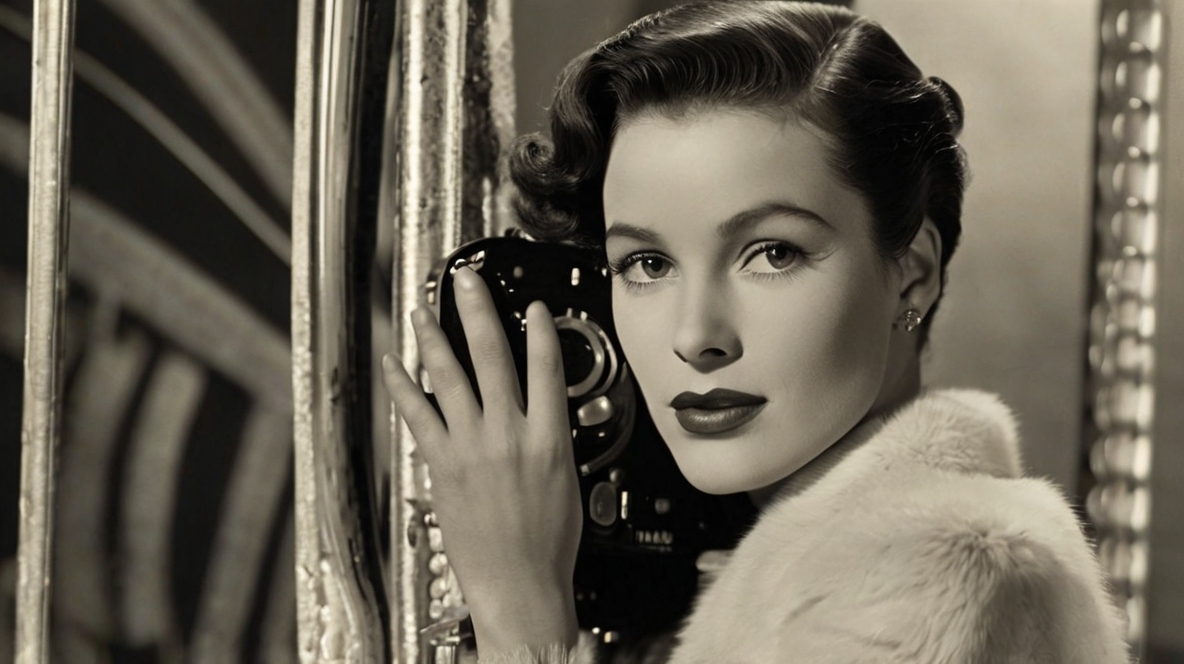
A Look at the Golden Age of Hollywood, spanning from the late 1920s to the early 1960s, remains a defining era in the history of cinema. This period, characterized by its glitz, glamour, and groundbreaking advancements in film, transformed Hollywood into the epicenter of the entertainment world. Let’s take an in-depth look at what made this era so iconic and influential.
The Rise of the Studio System
During the Golden Age, the studio system dominated Hollywood. Major studios such as MGM, Paramount, Warner Bros., RKO, and 20th Century Fox controlled every aspect of film production, from casting to distribution. This system created a star-making machine, with studios cultivating and promoting their own roster of talent. Legends like Clark Gable, Katharine Hepburn, and Judy Garland became household names, thanks to their association with these powerful studios.
Technological Innovations
The late 1920s marked the transition from silent films to “talkies,” revolutionizing the film industry. The success of “The Jazz Singer” in 1927, the first feature-length film with synchronized dialogue, signaled the dawn of a new era. Sound technology, combined with advancements in color film, such as Technicolor, allowed filmmakers to create more dynamic and visually stunning productions. Movies like “The Wizard of Oz” and “Gone with the Wind” showcased these technological marvels, captivating audiences worldwide.
Iconic Films and Directors
The Golden Age produced a plethora of timeless classics that continue to influence modern cinema. Films like “Casablanca,” “Citizen Kane,” and “Sunset Boulevard” set new standards for storytelling, cinematography, and acting. Visionary directors like Alfred Hitchcock, Orson Welles, and Billy Wilder pushed the boundaries of what was possible in film, leaving an indelible mark on the industry.
The Birth of Film Genres
This era saw the emergence and popularization of various film genres. Musicals, Westerns, film noir, and epic historical dramas all found their footing during the Golden Age. Each genre brought its own unique style and storytelling conventions, appealing to diverse audiences and solidifying Hollywood’s status as the entertainment capital of the world. Movies like “Singin’ in the Rain,” “Stagecoach,” and “The Maltese Falcon” are prime examples of genre-defining films from this period.
The Stars Who Shaped an Era
The Golden Age was also defined by its legendary stars. Actors and actresses not only became symbols of glamour and sophistication but also influenced fashion, culture, and societal norms. Stars like Marilyn Monroe, Humphrey Bogart, and Audrey Hepburn became cultural icons, their on-screen personas and off-screen lives captivating fans around the globe.
The Decline of the Studio System
By the late 1940s and early 1950s, the studio system began to decline. A landmark Supreme Court decision in 1948, known as the Paramount Decree, forced studios to divest their theater chains, breaking their monopoly over the film industry. Additionally, the rise of television offered a new form of entertainment, leading to a decrease in movie theater attendance. Independent production companies started to emerge, and the rigid control of the studios loosened, paving the way for a new era in Hollywood.
Lasting Legacy
The Golden Age of Hollywood may have ended, but its legacy lives on. The films, stars, and innovations of this era continue to inspire filmmakers and entertain audiences. The period set the foundation for modern cinema, establishing Hollywood as the global hub of the film industry.