




















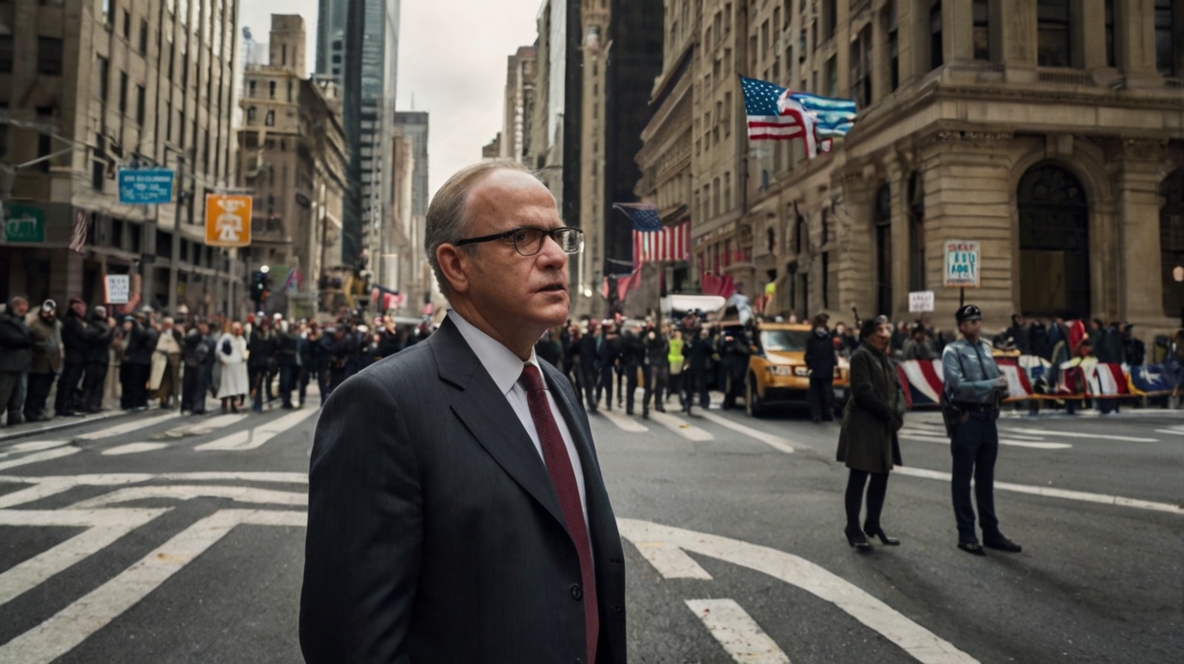
The Political Divide has become a defining issue of our time, leading to gridlock, hostility, and a breakdown in civil discourse. In an era where ideological differences seem insurmountable, bridging these divides is essential for a functioning democracy and social cohesion. But how can we move beyond partisanship to build political unity?
Here’s a deep dive into the causes of political polarization and actionable strategies to bridge the gap.
Understanding Political Polarization
Political polarization occurs when opposing political views become more extreme, reducing common ground and fostering an “us vs. them” mentality. This division is often fueled by:
- Media Echo Chambers: Social media algorithms and partisan news outlets reinforce existing beliefs, limiting exposure to diverse viewpoints.
- Misinformation and Fake News: False or misleading information exacerbates mistrust and deepens ideological divides.
- Partisan Politics: Politicians and interest groups capitalize on division to mobilize their bases rather than encourage cooperation.
- Social Identity and Tribalism: Political affiliation increasingly ties to personal identity, making compromise feel like betrayal.
Strategies to Bridge the Political Divide
1. Encourage Open and Civil Dialogue
Constructive conversations are key to overcoming political polarization. To foster better discussions:
- Approach conversations with curiosity rather than confrontation.
- Listen actively and seek to understand differing perspectives.
- Avoid inflammatory language and personal attacks.
2. Promote Civic Engagement and Bipartisan Efforts
Active participation in civic life can strengthen democracy and bridge divides. This includes:
- Supporting bipartisan initiatives and policies that benefit the broader public.
- Volunteering for community projects that bring people of different backgrounds together.
- Encouraging local discussions and town halls to address community concerns collectively.
3. Diversify Media Consumption
Breaking out of echo chambers helps foster balanced perspectives. Consider:
- Reading news from multiple sources, including those with differing political leanings.
- Fact-checking information before sharing it on social media.
- Engaging in respectful discussions with individuals who hold different views.
4. Focus on Shared Values and Common Goals
Despite political differences, most people share common concerns such as economic stability, education, healthcare, and public safety. Emphasizing these shared interests can help build bridges.
5. Advocate for Electoral and Political Reform
Reducing polarization at the systemic level requires changes such as:
- Ranked-choice voting: Encouraging moderate candidates rather than extreme partisanship.
- Redistricting reform: Preventing gerrymandering that exacerbates political division.
- Campaign finance reform: Reducing the influence of money in politics to prioritize public interests.
Final Thoughts: The Path to Political Unity
While political differences are natural, extreme polarization is not inevitable. By fostering open dialogue, civic engagement, bipartisan efforts, and media literacy, we can build a more united and functional democracy. The key lies in finding common ground, respecting diverse viewpoints, and prioritizing collective progress over partisan victory.
Are you ready to bridge the divide? Start by engaging in meaningful conversations and advocating for unity today.