




















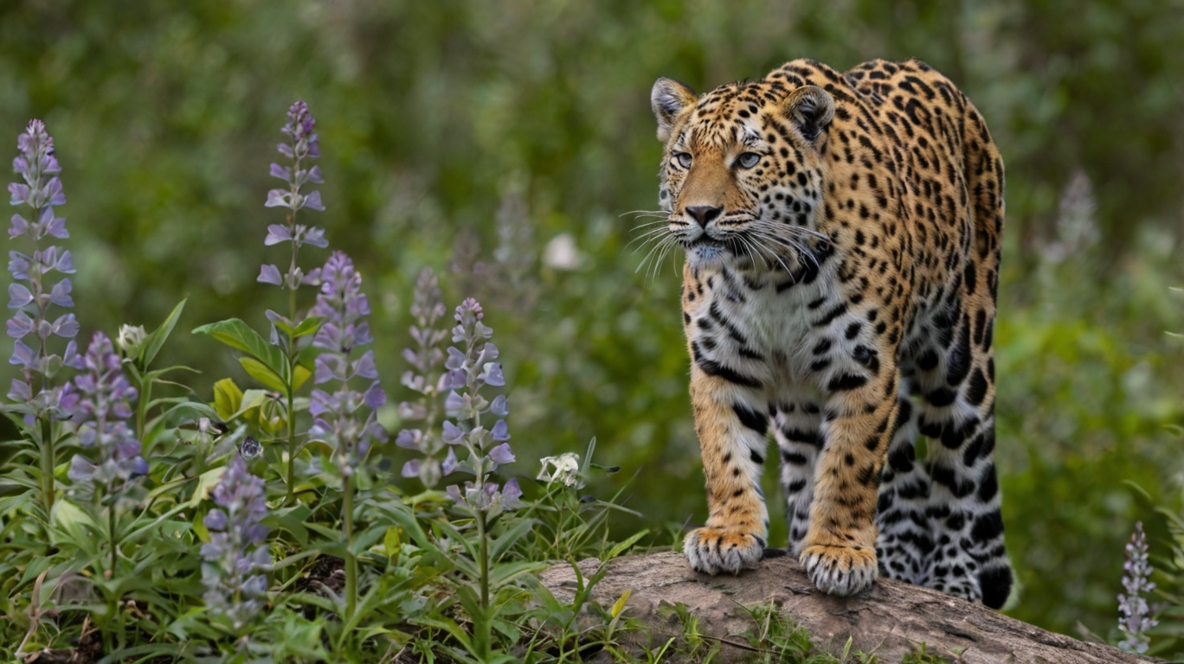
The Importance of Biodiversity , the variety of life on Earth, is the foundation of all ecosystems. It encompasses the diversity of species, genes, and ecosystems and plays a critical role in maintaining ecosystem health. From the smallest microorganisms to the largest mammals, each species has a unique role that contributes to the balance and functionality of the environment.
What Is Biodiversity?
Biodiversity refers to the diversity of all living organisms, including plants, animals, fungi, and microorganisms, as well as the ecosystems they form. This variety can be seen at three main levels:
- Genetic Diversity: Differences within species at the genetic level.
- Species Diversity: The variety of different species within a habitat or ecosystem.
- Ecosystem Diversity: The variety of ecosystems, such as forests, oceans, and wetlands, in a given area.
The complex interactions between these forms of diversity make up the web of life, providing essential services for human survival.
Why Biodiversity Matters for Ecosystem Health
Ecosystem health is closely tied to biodiversity. The greater the biodiversity, the more resilient ecosystems are to changes like climate shifts, pollution, or human activity. Here are a few reasons why biodiversity is essential for ecosystem health:
- Ecosystem Services: Biodiversity supports the services ecosystems provide, including clean air, fresh water, fertile soil, and pollination. These services are critical for human well-being, agricultural production, and overall environmental sustainability.
- Resilience to Environmental Changes: Ecosystems with high biodiversity are more adaptable to environmental changes. Diverse species interactions create a balanced ecosystem, allowing for a more stable response to disturbances like natural disasters or human impact.
- Pollination and Food Security: Many species, particularly insects like bees and butterflies, are vital pollinators. Pollination helps plants reproduce and is crucial for food production. Without diverse pollinators, crops and plants that humans and animals rely on would decline.
- Disease Regulation: A rich variety of species helps control the spread of diseases. Predators keep populations of disease-carrying organisms like mosquitoes and rodents in check, reducing the risk of outbreaks.
Biodiversity and Conservation
Conservation efforts are crucial to maintaining biodiversity, particularly as human activities threaten ecosystems. Urbanization, deforestation, pollution, and climate change have led to the loss of species and habitats at an alarming rate. According to the World Wildlife Fund (WWF), species extinction rates are now 1,000 to 10,000 times higher than the natural rate.
Efforts to conserve biodiversity include:
- Protected Areas: Establishing national parks, wildlife reserves, and marine protected areas helps safeguard habitats and species from human interference.
- Sustainable Practices: Promoting sustainable farming, fishing, and forestry helps preserve biodiversity by reducing habitat destruction and pollution.
- Restoration Projects: Reforestation, wetland restoration, and coral reef recovery projects are essential for reviving degraded ecosystems and supporting biodiversity.
- Education and Awareness: Raising public awareness about the importance of biodiversity can inspire individuals and communities to take action in conservation efforts.
Biodiversity and Environmental Science
Environmental science emphasizes the study of biodiversity as a means to understand how ecosystems function and support life. The field explores:
- Species Interaction: Understanding the relationships between different species and their environments is key to preserving ecosystem health.
- Climate Change Impact: Environmental scientists study how climate change affects biodiversity and work to develop strategies to mitigate these effects.
- Conservation Strategies: Scientific research guides policymakers in creating laws and regulations that promote biodiversity conservation.