




















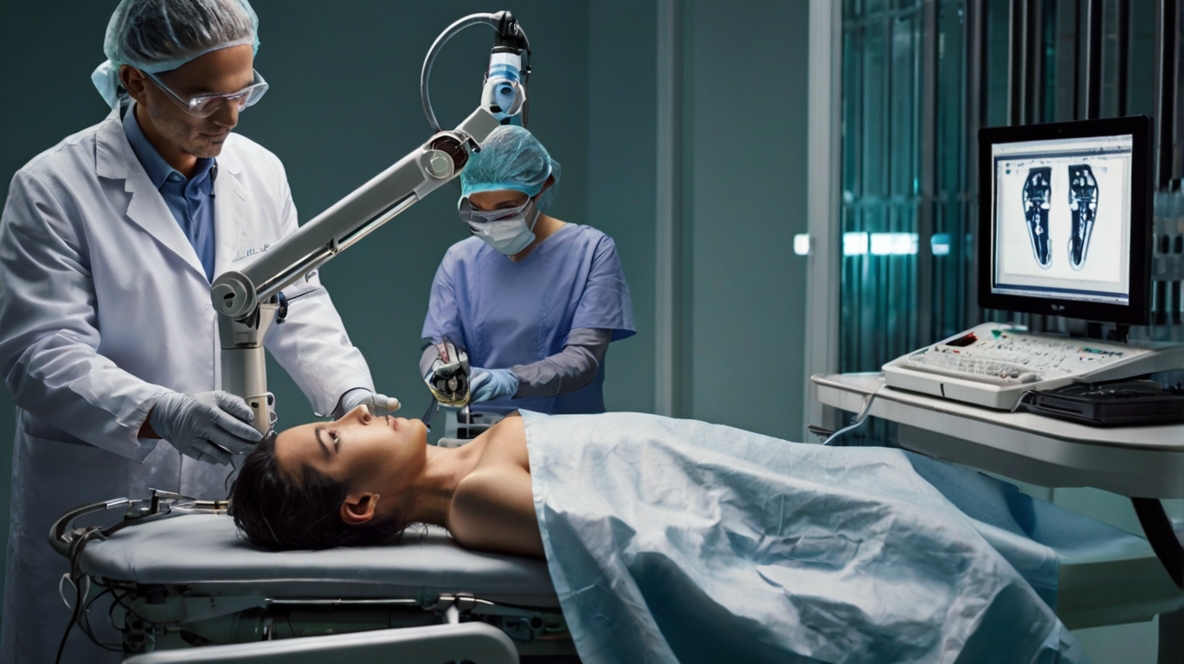
The rapid advancements Robotics in Medicine are shaping a new era in healthcare, particularly in surgical procedures. Robotic-assisted surgeries are revolutionizing the way doctors approach complex operations, offering greater precision, reduced recovery times, and enhanced patient safety. This breakthrough is not just a glimpse into the future—it’s already reshaping today’s operating rooms.
What is Robotic Surgery?
Robotic surgery, or robot-assisted surgery, uses advanced technology to allow surgeons to perform delicate and complex procedures with enhanced control, flexibility, and precision. Unlike traditional surgeries, where the surgeon works directly on the patient, robotic surgeries involve using small tools attached to a robotic arm, which the surgeon controls via a console. The surgeon’s hand movements are translated into precise actions by the robot, minimizing the risk of human error.
Advantages of Robotics in Surgical Procedures
Robotics has proven to be a game-changer in healthcare innovation, particularly in minimally invasive surgeries. Here are some of the major advantages:
- Enhanced Precision:
Robotic systems provide unmatched precision, allowing surgeons to operate on a microscopic level with steadier hand movements than human capabilities alone. This is especially crucial in areas requiring extreme accuracy, like neurosurgery or heart valve repair. - Reduced Trauma and Scarring:
One of the most significant benefits of robotic-assisted surgery is its ability to make smaller incisions, resulting in less blood loss, reduced trauma to the body, and minimal scarring for the patient. - Faster Recovery Times:
The less invasive nature of robotic surgery often leads to shorter hospital stays, quicker recovery times, and faster return to daily activities. - Improved Visualization:
Robots in surgery provide enhanced 3D visualization, allowing surgeons to see the surgical area in high-definition detail, which improves accuracy during complex procedures. - Reduced Fatigue for Surgeons:
Surgeons can perform long, complex surgeries with minimal fatigue since they operate the robotic arms from a seated console, which provides greater ergonomic support compared to standing for extended periods.
Applications of Robotics in Medical Technology
The application of robotics in medicine is expanding across multiple fields, including:
- Cardiothoracic Surgery:
Robotic systems are often used for heart surgeries, such as mitral valve repair, where precision is vital. - Orthopedic Surgery:
Robotic assistance allows for more accurate placement of joint implants, reducing complications and improving recovery in knee and hip replacements. - Neurosurgery:
In the delicate field of neurosurgery, robotic systems enhance accuracy when dealing with tumors, aneurysms, or spinal conditions. - Urology:
Robotic surgery is frequently used in prostate cancer procedures, allowing for high precision and a lower risk of complications. - Gynecology:
Robotics are used in procedures such as hysterectomies and treating certain cancers, improving patient outcomes.
The Future of Robotics in Surgery
As technology evolves, the integration of artificial intelligence (AI) with robotics will take medical technology to new heights. AI could allow robots to make real-time decisions during surgery, improving efficiency and accuracy even further. Additionally, the growing use of telemedicine and remote surgery could allow specialists to perform procedures on patients thousands of miles away, breaking geographical barriers in healthcare access.
Robotics in medicine also opens the door to greater personalized care, as surgical robots can be tailored to fit the unique needs of individual patients. With advancements in machine learning and robotic systems, the future of surgical procedures looks promising, potentially leading to less invasive surgeries, fewer complications, and quicker recoveries.