




















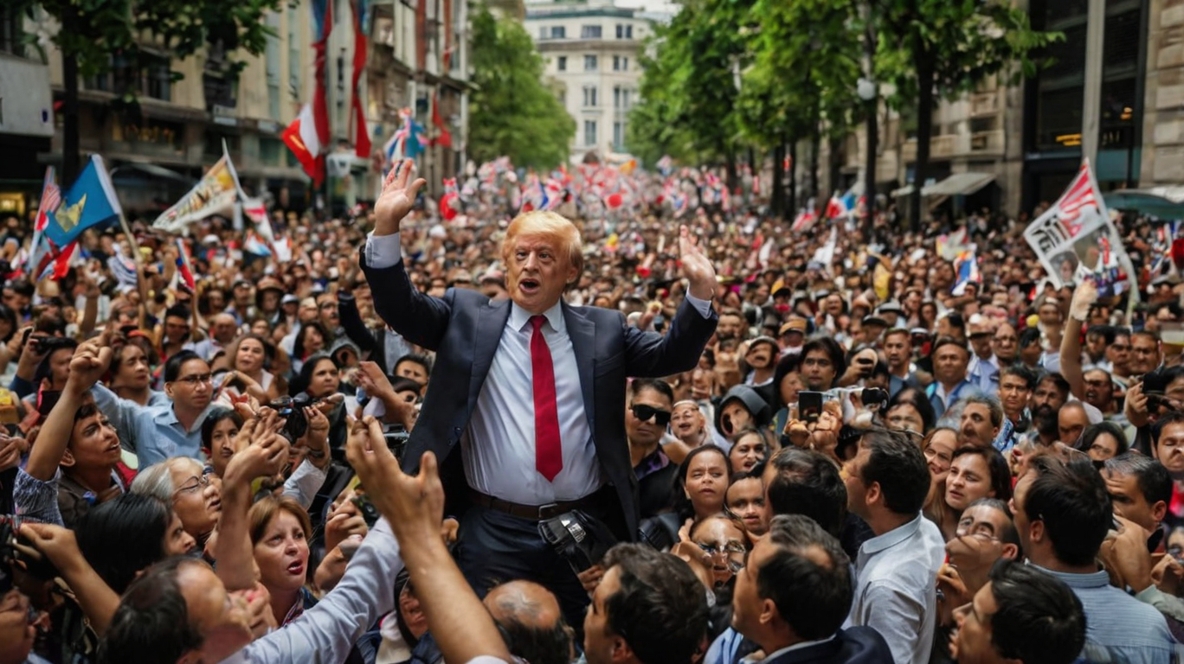
In recent years, populism has become a defining force in global politics. From the rise of nationalist leaders to widespread public dissatisfaction with traditional elites, populist movements are reshaping the political landscape in countries across every continent. But what exactly is populism, and why is it gaining so much traction?
In this article, we’ll break down the definition of populism, explore its origins, highlight key examples, and analyze why this political movement continues to grow in popularity around the world.
Defining Populism
At its core, populism is a political approach that claims to represent the voice of the “common people” against the “corrupt elite.” Populist leaders often present themselves as outsiders who challenge the status quo, offering simple solutions to complex societal issues. While the term is used widely, it doesn’t align with any single ideology—it can be found on both the left and right of the political spectrum.
Key traits of populism include:
-
Anti-establishment rhetoric
-
Charismatic leadership
-
Direct appeals to “the people”
-
Criticism of traditional institutions
-
Nationalistic or protectionist views (in some cases)
The Historical Roots of Populism
Populism isn’t new. It dates back to movements like the People’s Party in the United States in the late 19th century, which aimed to represent the interests of farmers and laborers. In Europe, early 20th-century leaders also used populist rhetoric to galvanize support during times of economic hardship and social unrest.
However, what distinguishes modern populism is its global scale and the way it leverages technology—especially social media—to spread its message quickly and effectively.
Populism in Today’s Global Politics
Across the world, populist movements have surged in response to globalization, immigration, economic inequality, and distrust in government.
Examples of modern populism include:
-
Donald Trump in the United States, emphasizing “America First”
-
Marine Le Pen and the National Rally in France
-
Andrés Manuel López Obrador in Mexico
-
Jair Bolsonaro in Brazil
-
Viktor Orbán in Hungary
-
Narendra Modi in India
While these leaders differ in ideology, they all use populist tactics to mobilize voters and challenge traditional power structures.
Why Is Populism on the Rise?
Several global trends have fueled the resurgence of populist movements:
-
Economic Discontent: Wage stagnation, job loss due to automation, and global trade have left many citizens feeling left behind.
-
Distrust in Elites: Scandals, corruption, and inefficiencies have eroded trust in mainstream political parties and institutions.
-
Cultural Identity: Migration and multiculturalism have sparked debates over national identity and sovereignty.
-
Digital Media: Social platforms allow populist messages to bypass traditional media gatekeepers and reach mass audiences directly.
The Pros and Cons of Populism
Pros:
-
Gives a voice to underrepresented groups
-
Challenges corrupt or complacent political systems
-
Encourages political engagement and participation
Cons:
-
Oversimplifies complex issues
-
Undermines democratic norms and institutions
-
Can lead to authoritarianism or divisiveness