




















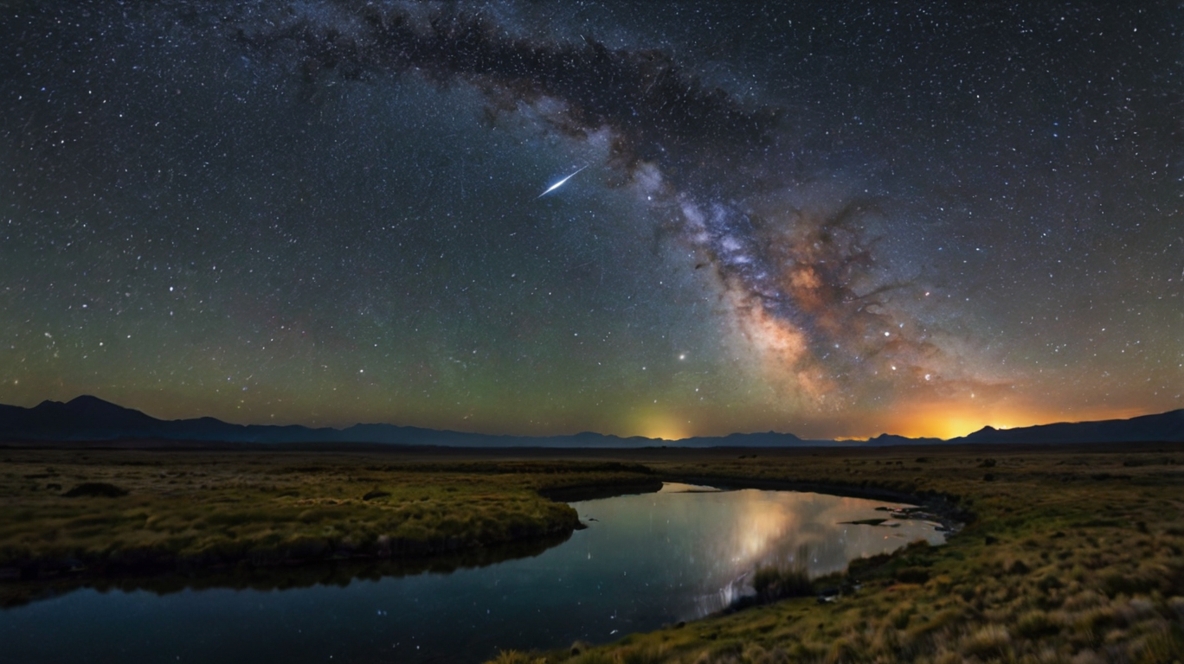
If you’re a night sky enthusiast or planning a unique travel experience, Top 10 Best Places to Stargaze offers a magical way to explore the universe. Whether you’re an amateur astronomer or simply love the beauty of the cosmos, there are incredible destinations worldwide where you can witness the Milky Way, distant galaxies, and meteor showers in all their glory. From remote deserts to pristine mountain ranges, here are the top 10 best stargazing spots around the world for your next astronomy adventure.
1. Mauna Kea, Hawaii, USA
Nestled on the Big Island, Mauna Kea is one of the world’s premier stargazing locations. Sitting at 13,796 feet above sea level, this dormant volcano offers astronomers some of the clearest night skies. The Mauna Kea Observatories attract scientists from all over the globe, and visitors can experience breathtaking views of the Milky Way.
Best time to visit: April to September
Unique feature: Access to professional-grade telescopes.
2. Atacama Desert, Chile
The Atacama Desert is one of the driest places on Earth, and its high altitude, minimal light pollution, and clear skies make it an ideal destination for stargazing. The ALMA Observatory, located here, is a key hub for space research. Night tours are available, where you can witness stars, planets, and even deep-sky objects with ease.
Best time to visit: March to December
Unique feature: Astrotourism packages with guided telescope experiences.
3. Jasper National Park, Alberta, Canada
Canada’s Jasper National Park is not only a UNESCO World Heritage Site but also home to one of the world’s largest Dark Sky Preserves. In October, the Jasper Dark Sky Festival celebrates all things astronomy. With its remote location and high altitude, this park is perfect for spotting constellations and auroras.
Best time to visit: October for the Dark Sky Festival
Unique feature: Northern lights viewing during winter months.
4. Aoraki Mackenzie, New Zealand
The Aoraki Mackenzie region, located in New Zealand’s South Island, boasts some of the darkest skies in the southern hemisphere. The region’s stargazing experiences are world-renowned, with Aoraki Mount Cook providing a stunning backdrop. The area is part of the Aoraki Mackenzie International Dark Sky Reserve.
Best time to visit: All year round
Unique feature: Southern hemisphere views, including the Magellanic Clouds.
5. Sossusvlei, Namibia
The Namib Desert offers pristine conditions for stargazing, with little to no light pollution and vast, open skies. The clear, dry atmosphere makes it a perfect location for observing constellations and meteor showers. The Sossusvlei dunes provide a stunning foreground for any night sky photography.
Best time to visit: May to September
Unique feature: Stargazing among otherworldly sand dunes.
6. La Palma, Canary Islands, Spain
La Palma is one of the best stargazing destinations in Europe, thanks to its low light pollution and ideal geographical location. The Roque de los Muchachos Observatory is situated at an elevation of 7,874 feet, providing exceptional views of the night sky. The island’s dark-sky policies make it an ideal spot for astronomy travel.
Best time to visit: Year-round
Unique feature: Special stargazing routes designed for tourists.
7. Tromsø, Norway
Tromsø is famous for its northern lights displays, but its remote location also makes it an excellent spot for general stargazing. Located within the Arctic Circle, Tromsø offers breathtaking views of the aurora borealis from September to April, alongside clear views of the stars.
Best time to visit: September to April
Unique feature: Aurora borealis paired with a dark, starry sky.
8. Death Valley National Park, California, USA
Death Valley is one of the hottest places on Earth by day, but by night, its dark sky becomes a playground for astronomers. As one of the largest Dark Sky Parks in the United States, Death Valley offers clear views of planets, nebulae, and distant galaxies.
Best time to visit: October to March
Unique feature: Astrophotography opportunities among desert landscapes.
9. Uluru, Northern Territory, Australia
The sacred site of Uluru offers an outback stargazing experience like no other. The lack of urban development means that the skies above Uluru are virtually free from light pollution. The local Anangu people have long incorporated star patterns into their mythology, adding a cultural dimension to your visit.
Best time to visit: May to October
Unique feature: Indigenous star tours blending culture and astronomy.
10. The Sahara Desert, Morocco
The vast expanse of the Sahara offers some of the best stargazing conditions in the world. The Sahara’s clear skies are free of light pollution, and its desert dunes provide an awe-inspiring setting for astronomy lovers. Stargazing tours with Bedouin guides are a unique way to experience the cosmos.
Best time to visit: October to April
Unique feature: Guided desert stargazing tours under ancient skies.
Tips for a Successful Stargazing Trip
- Plan for the season: Some celestial events, like meteor showers or planetary alignments, happen at specific times of the year. Check astronomical calendars to align your trip with major events.
- Check local weather: Stargazing requires clear skies, so make sure to visit during dry seasons to minimize cloud cover.
- Bring proper gear: A good pair of binoculars or a portable telescope can enhance your stargazing experience. Also, pack warm clothing, as temperatures can drop significantly at night in some locations.