







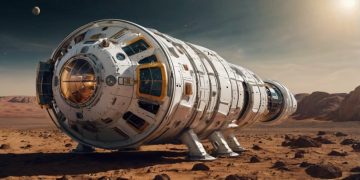












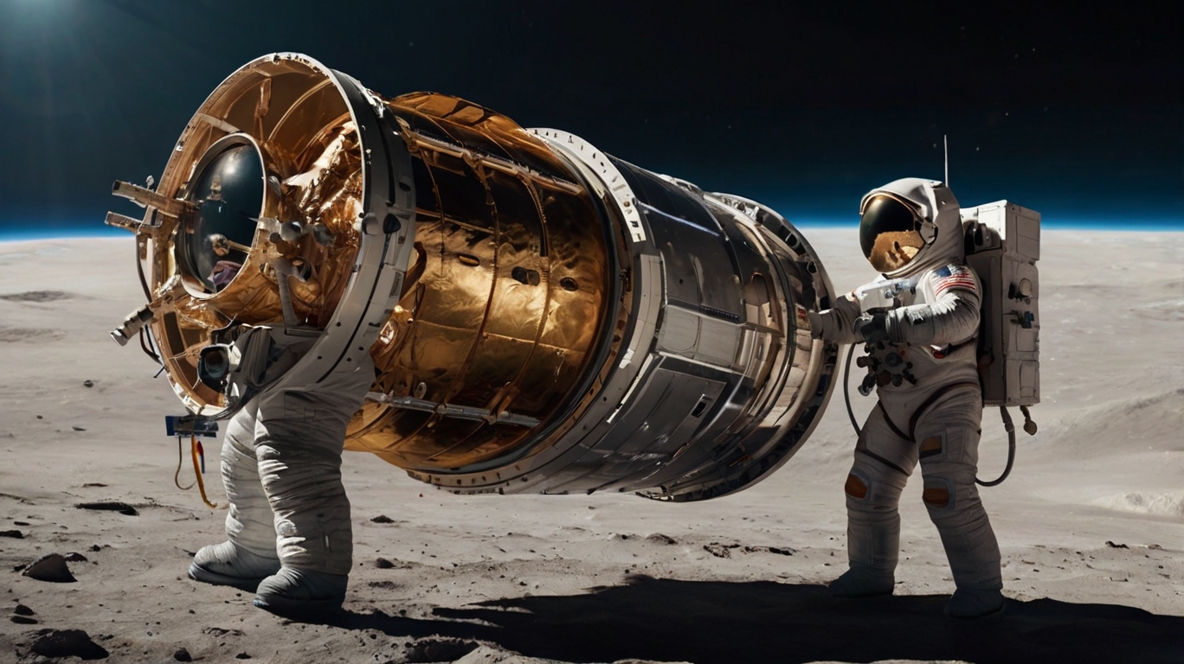
NASA’s Artemis missions have reignited global interest in lunar exploration, marking the beginning of a new space age. But as humanity prepares to return to the Moon, eyes are already shifting toward more ambitious frontiers. So, what does the future of space exploration hold after Artemis? From Mars colonization to commercial spaceflight and interstellar probes, 2025 and beyond promises to be a transformative era for our journey into the cosmos.
Artemis: Laying the Groundwork for Deep Space Travel
The Artemis program aims to land “the first woman and the next man” on the Moon by the mid-2020s. Beyond planting flags, Artemis is designed to establish sustainable lunar infrastructure—paving the way for long-duration missions and serving as a launchpad for Mars expeditions.
But Artemis is just the beginning. As the missions progress, new objectives will shape the next phase of exploration:
-
Establishing the Lunar Gateway: A space station in lunar orbit to support missions to both the Moon and Mars.
-
In-situ resource utilization (ISRU): Harnessing lunar resources like water ice to create fuel and life support systems.
-
International collaboration: Countries like Japan, Europe, and India are becoming key partners in the lunar economy.
Mars Colonization: The Next Giant Leap
With lunar groundwork laid by Artemis, attention is turning toward Mars. NASA, SpaceX, and international agencies are aligning their strategies for Mars colonization. Here’s what’s on the horizon:
-
NASA’s Mars Mission Timeline: Human missions to Mars are expected by the late 2030s, but robotic missions and tech tests will accelerate in 2025–2030.
-
SpaceX Starship Plans: Elon Musk’s Starship is being developed for Mars travel, with early cargo missions potentially launching later this decade.
-
Challenges Ahead: Life support, radiation shielding, and sustainable food systems are being prototyped today for tomorrow’s Martian cities.
The Rise of Commercial Space Travel
Beyond government-led missions, private companies are reshaping the future of space exploration. In 2025, the commercial space race is booming:
-
Blue Origin and SpaceX: Competing to provide lunar cargo delivery and space tourism.
-
Axiom Space and Orbital Habitats: Building the next-generation space stations that could replace the ISS.
-
Space Tourism: Suborbital flights from Virgin Galactic and Blue Origin are becoming more frequent, hinting at an era where space travel becomes more accessible.