




















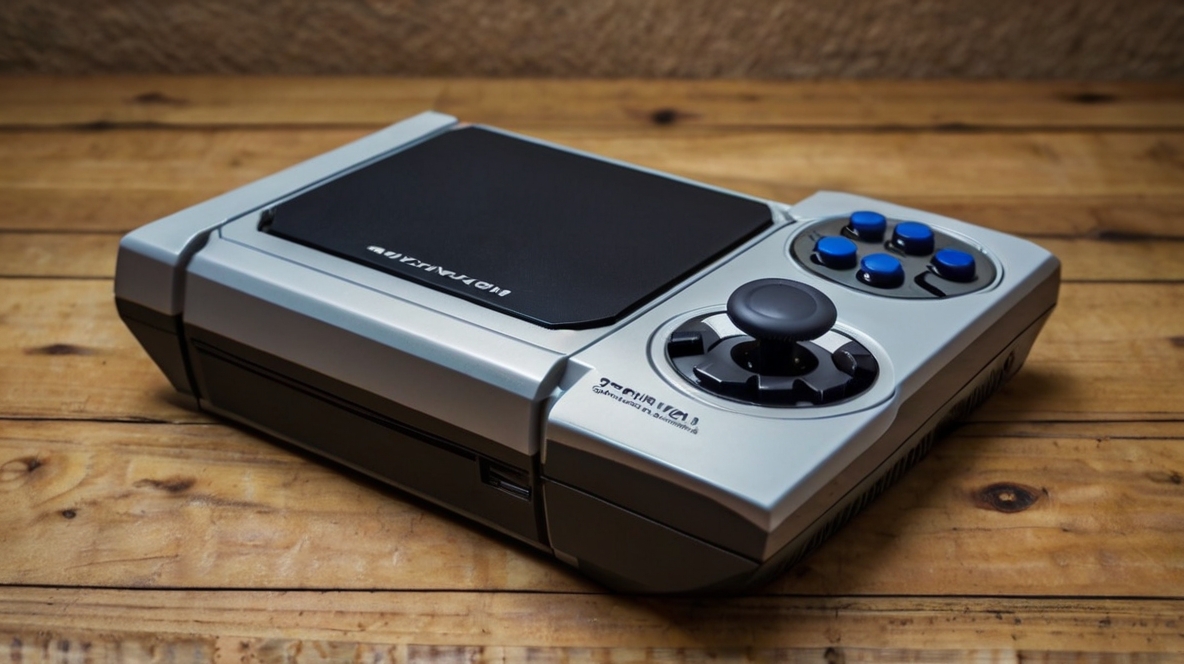
Gaming consoles have come a long way since their inception, transforming from simple devices into powerful entertainment hubs. This journey, often referred to as the console evolution, is a fascinating story of technological advancements and cultural shifts. In this article, we’ll take a deep dive into the gaming history, tracing the evolution of gaming consoles from their humble beginnings to the sophisticated machines we use today.
The Early Days of Gaming Consoles
The origins of gaming consoles can be traced back to the early 1970s. The first commercially successful gaming console was the Magnavox Odyssey, released in 1972. This rudimentary device featured basic graphics and gameplay, but it laid the groundwork for the future of console gaming. The concept of playing video games at home was revolutionary, setting the stage for the rapid development that followed.
The Golden Age of Gaming Consoles
The late 1970s and early 1980s marked the golden age of gaming consoles. During this period, iconic systems like the Atari 2600 and the Nintendo Entertainment System (NES) were introduced. These consoles brought arcade-quality games into living rooms and introduced millions to the joys of interactive entertainment. The NES, in particular, is often credited with revitalizing the gaming industry after the video game crash of 1983.
The Rise of 3D Gaming and Multimedia
The 1990s witnessed a significant leap in console evolution with the advent of 3D graphics and multimedia capabilities. Sony’s PlayStation, launched in 1994, was a game-changer. It not only popularized CD-ROMs for gaming but also introduced 3D graphics, leading to more immersive and visually stunning games. The Nintendo 64, released in 1996, further pushed the boundaries of 3D gaming with titles like “Super Mario 64” and “The Legend of Zelda: Ocarina of Time.”
The Age of Online Gaming and High-Definition Graphics
The early 2000s saw the emergence of online gaming as a major feature of consoles. Microsoft’s Xbox Live service, introduced in 2002, allowed players to compete and cooperate with others around the world. This era also saw the launch of consoles capable of high-definition graphics, such as the Xbox 360 and PlayStation 3. These systems not only enhanced visual fidelity but also expanded the scope of gaming with vast open worlds and complex narratives.
The Modern Era: Gaming Consoles as Entertainment Hubs
Today’s gaming consoles are more than just gaming machines; they are comprehensive entertainment hubs. The PlayStation 4, Xbox One, and their successors, the PlayStation 5 and Xbox Series X/S, offer a wide range of features beyond gaming. They support streaming services, social media integration, and even virtual reality. This evolution reflects the changing nature of home entertainment, where gaming consoles serve as central devices for various forms of digital content.
The Future of Gaming Consoles
As we look ahead, the future of gaming consoles appears promising and full of potential. Innovations such as cloud gaming, augmented reality, and artificial intelligence are set to redefine the gaming experience. Companies like Google, with its Stadia platform, and Microsoft, with its xCloud service, are exploring the possibilities of streaming games directly to devices without the need for powerful hardware. This shift could make gaming more accessible than ever before.