


















As our The Best Foods for Boosting Immunity This Winter systems face a tougher challenge from cold weather and seasonal illnesses. Fortunately, nature offers an array of immunity-boosting foods that can help strengthen your body’s defense system. By incorporating nutrient-rich foods into your diet, you can enhance your immune function and stay healthy all season long. In this article, we’ll explore the best foods for immunity and how they can help you fight off winter colds and flu.
1. Citrus Fruits: Vitamin C Powerhouses
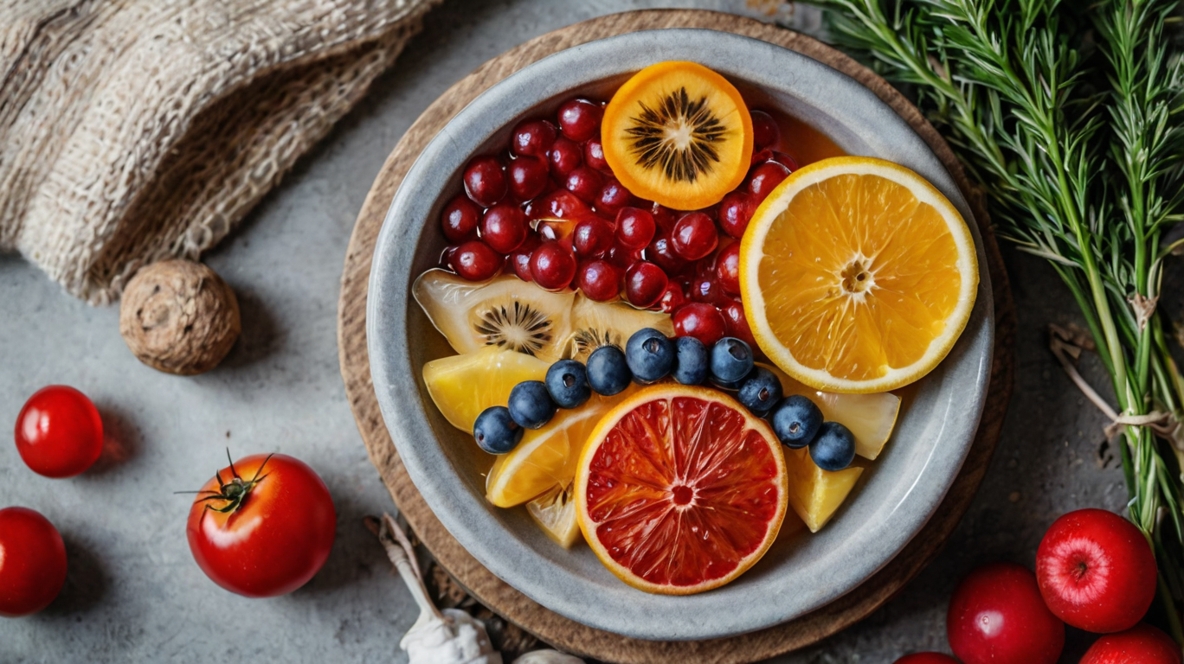
When it comes to boosting immunity, citrus fruits are often the first food that comes to mind. Oranges, lemons, grapefruits, and tangerines are packed with vitamin C, a nutrient known for its ability to enhance immune cell function. Vitamin C helps to stimulate the production of white blood cells, which are essential for fighting infections. Eating a variety of citrus fruits during the winter can provide a tasty and effective way to stay healthy.
Top Choices:
- Oranges
- Lemons
- Grapefruits
- Tangerines
2. Garlic: A Natural Immunity Booster
Garlic is not just a flavorful ingredient; it’s also a potent immune booster. Rich in sulfur compounds like allicin, garlic has been shown to support the immune system by enhancing the activity of white blood cells and helping to combat infections. Including garlic in your diet can provide anti-inflammatory and antimicrobial benefits, making it a must-have in your winter meals.
How to Use It:
- Add raw or cooked garlic to soups, stews, and sauces.
- Mix crushed garlic into herbal teas for an extra immune boost.
3. Ginger: A Warming and Healing Spice
Ginger is a powerful root known for its anti-inflammatory and antioxidant properties. It can help reduce inflammation in the body, which is essential for optimal immune function. Ginger also has natural antiviral and antibacterial properties, making it an excellent food for immunity during the colder months.
Ways to Enjoy Ginger:
- Add grated ginger to hot teas.
- Include ginger in smoothies or stir-fries.
- Use it as a spice in winter soups.
4. Spinach: Packed with Nutrients
Spinach is a dark leafy green that’s high in vitamin C, antioxidants, and beta-carotene. These nutrients help support immune function and keep your body prepared to fight off infections. Spinach also provides folate, which is essential for producing new cells, including immune cells.
How to Include Spinach:
- Add spinach to salads or smoothies.
- Cook spinach into soups, stews, or casseroles for a warming meal.
5. Yogurt: Probiotics for Gut Health
A healthy gut is crucial for a strong immune system. Yogurt contains probiotics—beneficial bacteria that promote gut health. A balanced gut microbiome helps your immune system function at its best by regulating immune responses and reducing inflammation. Look for yogurt with live and active cultures for maximum benefit.
Top Picks:
- Plain Greek yogurt
- Probiotic-rich yogurt
- Non-dairy yogurt alternatives (e.g., coconut or almond-based)
6. Almonds: A Nutrient-Packed Snack
Almonds are a great source of vitamin E, a powerful antioxidant that plays a key role in supporting immune health. Vitamin E helps to protect cells from oxidative damage and strengthens the immune response. Almonds are also rich in healthy fats, fiber, and protein, making them a perfect nutrient-dense snack for winter.
How to Enjoy Almonds:
- Snack on a handful of raw or roasted almonds.
- Add chopped almonds to oatmeal, salads, or baked goods.
7. Sweet Potatoes: A Vitamin A Source
Sweet potatoes are an excellent source of beta-carotene, a precursor to vitamin A, which is essential for maintaining a healthy immune system. Vitamin A helps the body produce white blood cells and supports the health of your skin, which acts as a barrier to infection. Including sweet potatoes in your winter diet can keep your immune system strong.
Cooking Ideas:
- Roast sweet potato cubes for a tasty side dish.
- Mash sweet potatoes for a warm, comforting meal.
- Add sweet potatoes to soups and stews.
8. Turmeric: A Golden Immunity Booster
Turmeric contains curcumin, a compound with powerful anti-inflammatory and antioxidant properties. Curcumin helps reduce inflammation in the body, which can improve immune function and reduce the risk of illness. It also has antimicrobial effects, which help fight infections during the winter months.
How to Use Turmeric:
- Add turmeric to curries, soups, and stews.
- Mix turmeric with warm milk for a soothing drink known as “golden milk.”
9. Berries: Antioxidants for Immune Health
Berries, including blueberries, strawberries, and raspberries, are rich in antioxidants, particularly flavonoids, which help protect the body from oxidative stress and support immune health. They’re also high in vitamin C, further enhancing their role in boosting immunity. Berries are a delicious and versatile addition to your winter diet.
Delicious Ways to Enjoy Berries:
- Add fresh or frozen berries to smoothies, oatmeal, or yogurt.
- Snack on them with a sprinkle of nuts or seeds.
10. Green Tea: A Source of Antioxidants
Green tea is packed with antioxidants called catechins, which have been shown to enhance immune function and fight off infections. Drinking green tea regularly during the winter months can provide a natural immune boost while keeping you hydrated and warm.
How to Enjoy Green Tea:
- Drink a cup of green tea in the morning or afternoon.
- Add lemon or honey to boost flavor and further enhance its immune-boosting properties.