




















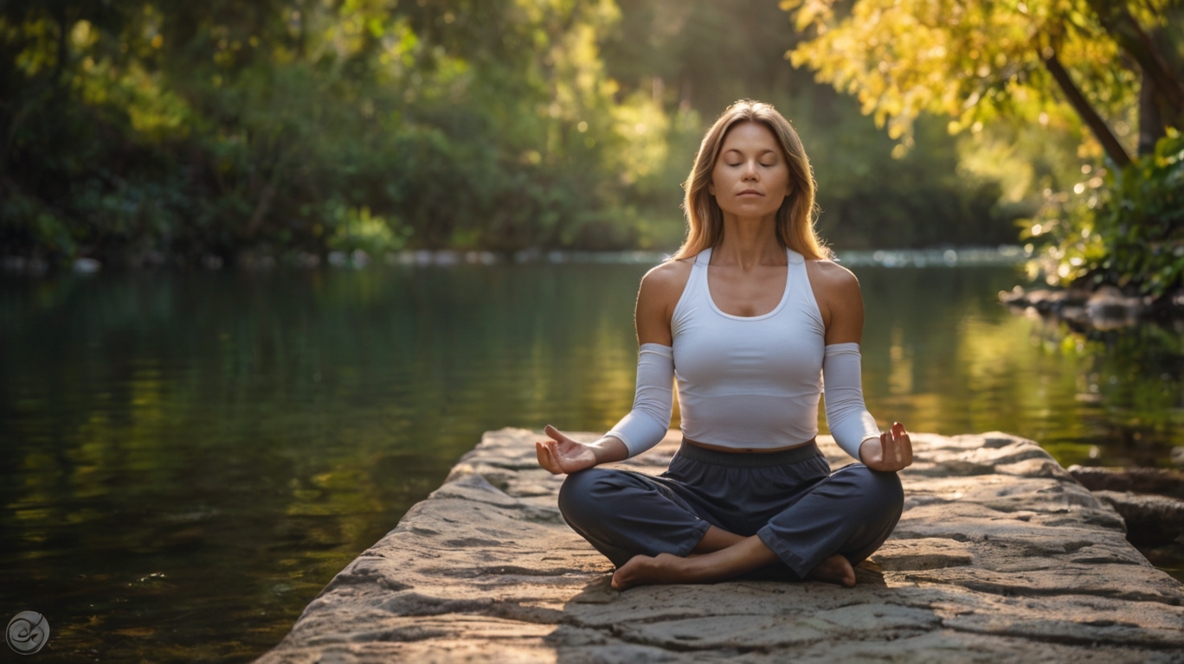
The Benefits of Meditation for Stress Relief in 2024: Achieve Mental Clarity and Inner Calm
In 2024, stress management continues to be a top priority for individuals seeking to enhance their wellbeing. With the pressures of modern life—from work demands to personal responsibilities—many people are turning to effective practices that promote relaxation and mental clarity. Meditation has long been hailed as one of the most powerful tools for stress relief, and its benefits are backed by both science and centuries of tradition. Whether you’re a seasoned practitioner or a beginner, meditation offers profound mental, emotional, and physical health benefits that are especially valuable in today’s fast-paced world.
In this blog post, we’ll explore the benefits of meditation for stress relief in 2024, and how this simple, yet transformative practice can help you find mental clarity, improve emotional wellbeing, and manage stress more effectively.
What is Meditation?
Meditation is a mental exercise that involves focusing the mind, typically through breath control, mindfulness, or visualization, to achieve a state of deep relaxation and heightened awareness. Rooted in ancient traditions like Buddhism, Hinduism, and Taoism, meditation has become widely practiced across the world for its ability to promote mental peace, enhance concentration, and reduce stress.
In 2024, meditation has evolved into a mainstream wellness practice, supported by a wealth of scientific research that underscores its ability to improve emotional health, cognitive function, and overall quality of life.
1. Reduction of Stress and Anxiety
One of the most significant benefits of meditation is its ability to reduce stress and anxiety. When we experience stress, our bodies produce stress hormones like cortisol, which can lead to feelings of anxiety, tension, and emotional overwhelm. Meditation helps counteract these physical responses by calming the nervous system, lowering cortisol levels, and triggering the “relaxation response.”
How Meditation Helps with Stress Relief:
- Mindfulness meditation encourages you to focus on the present moment, breaking the cycle of worry and rumination that often fuels anxiety. By redirecting your attention to your breath or sensations in your body, you can stop stress-inducing thoughts before they escalate.
- Breathing exercises, such as deep belly breathing, trigger the parasympathetic nervous system, helping you relax and unwind in moments of stress.
- Guided meditations can lead you through visualizations or body scans to help release physical tension and encourage a sense of calm.
Studies have shown that even just a few minutes of daily meditation can significantly reduce stress levels and anxiety, improving your emotional resilience and ability to cope with challenges.
2. Enhancement of Mental Clarity and Focus
Another powerful benefit of meditation is its ability to boost mental clarity and improve focus. In today’s digital age, we are constantly bombarded with information, making it difficult to concentrate and think clearly. Meditation helps train the mind to filter out distractions, improve concentration, and cultivate a sharp, focused mindset.
How Meditation Improves Mental Clarity:
- Mindfulness meditation helps you become more aware of your thoughts, allowing you to separate yourself from distractions and focus on what matters most.
- Zen meditation and concentration-based practices train your mind to focus on a single point, like your breath or a mantra, which improves attention and cognitive performance.
- Regular meditation practice has been shown to strengthen the brain’s prefrontal cortex, the area responsible for decision-making, problem-solving, and self-regulation.
By practicing meditation regularly, you can develop stronger cognitive abilities, sharpen your mental focus, and improve your productivity both at work and in your personal life.
3. Improvement of Emotional Wellbeing
Meditation is not only beneficial for mental clarity and stress relief, but it also has profound effects on emotional wellbeing. It allows you to gain better emotional awareness, regulate your feelings, and foster a deeper sense of inner peace.
How Meditation Boosts Emotional Wellbeing:
- Self-awareness: Meditation encourages self-reflection and mindfulness, helping you understand your emotional triggers and responses. This heightened awareness allows you to manage your emotions more effectively and respond to situations with greater emotional intelligence.
- Emotional regulation: Meditation teaches you to observe your emotions without judgment, allowing you to detach from negative feelings like anger, sadness, or frustration.
- Increased compassion: Practices like loving-kindness meditation (metta) promote compassion for yourself and others, fostering emotional connection and empathy.
By incorporating meditation into your daily routine, you can improve your emotional regulation, reduce negative emotions, and cultivate a sense of contentment and peace.
4. Better Sleep Quality
If stress and anxiety are interfering with your sleep, meditation can be a highly effective remedy. Mindfulness meditation and relaxation techniques help activate the parasympathetic nervous system, promoting a calm state of mind that is conducive to restful sleep. Meditation reduces the racing thoughts and overactive mind that often keep people awake at night.
How Meditation Improves Sleep:
- Relaxation techniques such as progressive muscle relaxation and guided imagery can help you unwind before bedtime, allowing your body and mind to prepare for sleep.
- Mindfulness-based practices help you let go of worries and quiet your mental chatter, making it easier to fall asleep and stay asleep throughout the night.
- Body scan meditations help release physical tension from the body, making it easier to relax and drift off into a deep, restorative sleep.
With regular meditation, you can improve both the quality and duration of your sleep, waking up feeling more refreshed and energized.
5. Physical Health Benefits
The benefits of meditation extend beyond mental health. Research has shown that regular meditation practice can have a positive impact on physical health by lowering blood pressure, improving heart health, and boosting immune function.
How Meditation Supports Physical Health:
- Reduced blood pressure: Meditation has been shown to lower blood pressure, which is particularly beneficial for individuals dealing with hypertension or cardiovascular issues.
- Enhanced immune function: Meditation can increase the activity of immune cells, helping your body fight off illness more effectively.
- Reduced inflammation: Chronic stress can lead to inflammation, which is linked to numerous health issues like arthritis, heart disease, and autoimmune disorders. Meditation helps reduce inflammation by promoting relaxation and lowering cortisol levels.
Meditation offers a natural and holistic way to improve your physical health, supporting overall wellbeing and longevity.
6. Building a Sustainable Practice in 2024
Incorporating meditation into your daily routine in 2024 is easier than ever. With a wide variety of apps, online courses, and resources available, you can find a practice that works for your lifestyle and preferences. Whether you prefer guided meditations, silent mindfulness sessions, or loving-kindness practices, there’s a meditation style that suits everyone.
Tips for Starting a Meditation Practice:
- Start small: If you’re new to meditation, start with just 5-10 minutes each day and gradually increase your practice time as you become more comfortable.
- Create a dedicated space: Set aside a quiet, peaceful area in your home for meditation where you can relax without distractions.
- Use guided meditations: Apps like Headspace, Calm, or Insight Timer offer a variety of guided sessions for beginners and experienced practitioners alike.
- Be consistent: Like any habit, meditation requires consistency. Try to meditate at the same time each day to establish a routine.
By making meditation a regular part of your life in 2024, you’ll experience a wealth of benefits for both your mind and body.