




















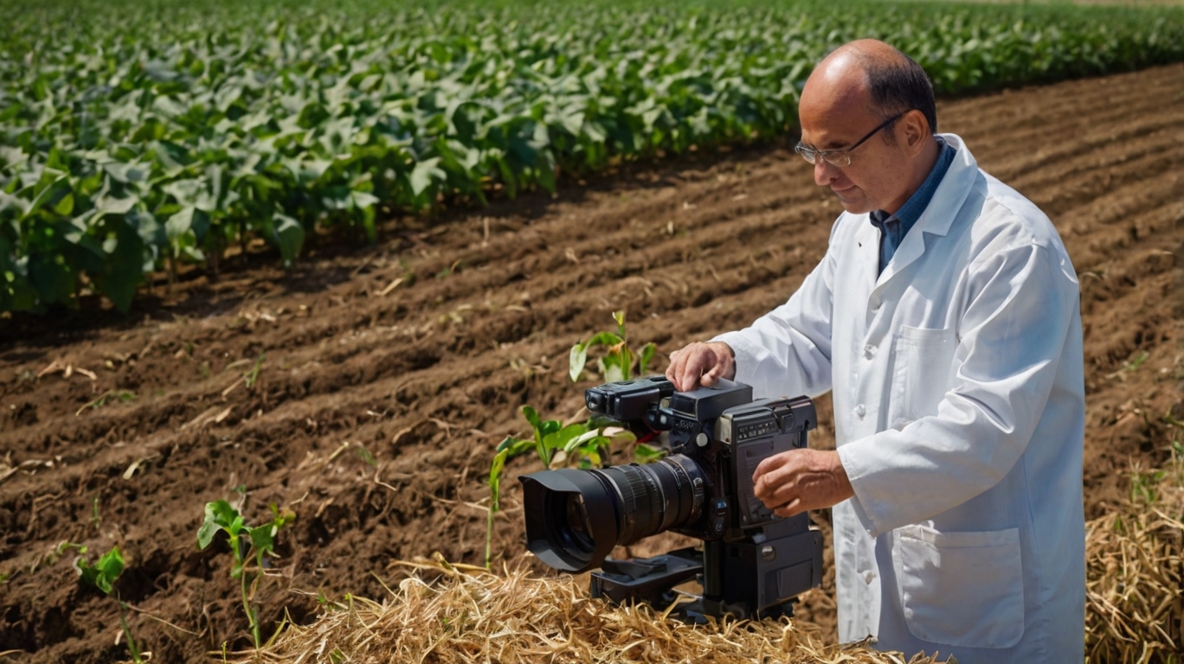
Agricultural science is evolving at a rapid pace, reshaping the way we grow, process, and distribute food. With rising global populations, climate change, and increasing demands for sustainability, the integration of cutting-edge science in agriculture is no longer optional—it’s essential. In 2025, food tech and sustainable farming practices are at the forefront of this transformation, offering groundbreaking solutions that promise to redefine how we feed the world.
1. Precision Agriculture: Smart Farming with AI & IoT
Precision agriculture uses GPS, AI, and IoT (Internet of Things) to monitor crop health, soil conditions, and weather patterns in real-time. This technology enables farmers to make data-driven decisions, reducing waste and maximizing yields. AI algorithms analyze vast amounts of data to optimize planting schedules, irrigation, and fertilization—leading to more efficient and sustainable farming.
Key Benefits:
-
Reduced use of pesticides and fertilizers
-
Lower environmental impact
-
Higher crop yields and profit margins
2. CRISPR & Gene Editing in Crops
CRISPR technology is revolutionizing genetic engineering in agriculture. Scientists can now edit plant DNA with pinpoint accuracy, creating crops that are more resistant to pests, diseases, and extreme weather. This innovation in agricultural science improves food security and reduces reliance on chemical inputs.
Examples Include:
-
Drought-resistant wheat
-
Pest-resistant corn
-
Nutrient-enriched rice
3. Vertical Farming & Hydroponics
Urban areas are embracing vertical farming—growing food in stacked layers using hydroponics or aeroponics. These systems use up to 90% less water and no soil, making them ideal for cities with limited arable land. Vertical farming also enables year-round production with controlled environments that reduce the need for pesticides.
Why It Matters:
-
Local food production reduces transportation emissions
-
Fresh produce in urban food deserts
-
Scalable, climate-resilient agriculture
4. Food Tech 2025: Lab-Grown Meat & Alternative Proteins
The future of food tech in 2025 is protein innovation. Lab-grown (cultivated) meat and plant-based proteins are addressing ethical concerns, environmental sustainability, and health-conscious consumer demand. Companies are using biotechnology to replicate meat textures and flavors without raising animals.
Impact on Agriculture:
-
Reduces land and water usage
-
Lowers greenhouse gas emissions
-
Diversifies protein sources for global nutrition
5. Sustainable Soil Management with Biochar and Microbial Solutions
Soil health is crucial for long-term agricultural success. Innovations like biochar (a form of carbon-rich charcoal) and microbial soil enhancers are improving soil fertility and carbon sequestration. These sustainable solutions help restore degraded land while supporting crop growth.
Benefits Include:
-
Increased organic matter retention
-
Enhanced root development
-
Reduced need for synthetic inputs
6. Drone Technology in Modern Farming
Drones are becoming vital tools in monitoring and managing agricultural operations. They provide high-resolution imagery for crop health analysis, detect irrigation issues, and assist with planting and spraying. This automation improves accuracy and saves time for farmers.
Use Cases:
-
Aerial seeding
-
Disease detection
-
Real-time mapping for farm planning
7. Blockchain for Food Traceability
Blockchain technology is revolutionizing transparency in the agricultural supply chain. Consumers and stakeholders can now trace food products from farm to table, ensuring authenticity, reducing fraud, and boosting trust.
Advantages:
-
Improved food safety
-
Better quality control
-
Efficient inventory and logistics management