




















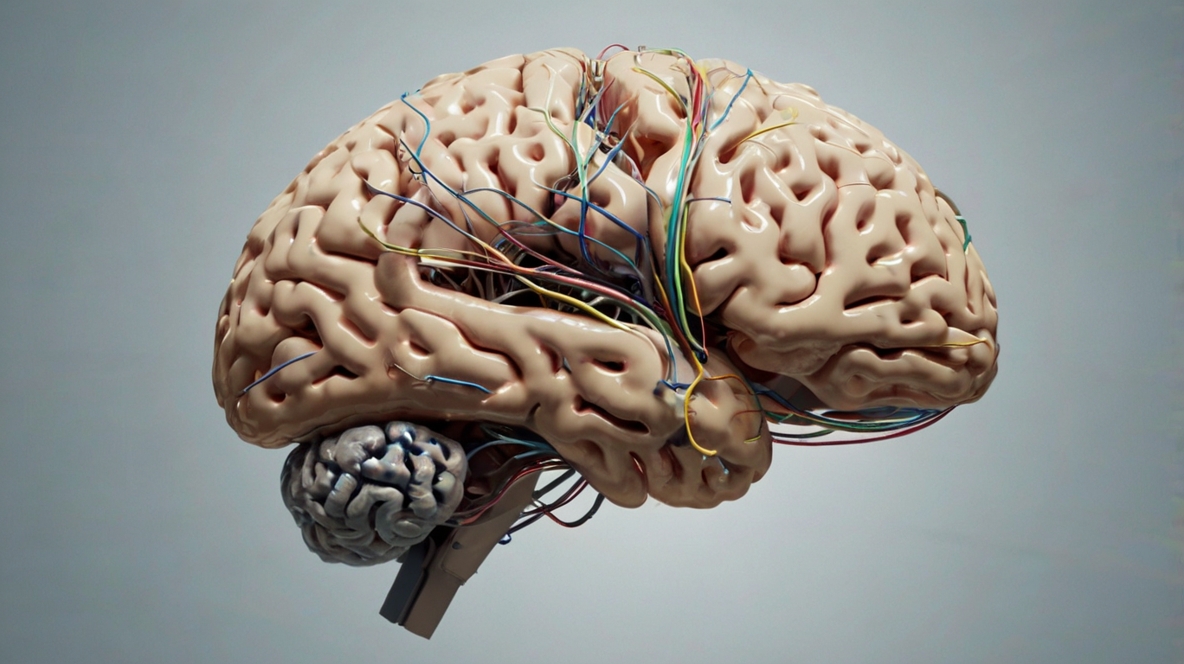
In 2025, the field of neuroscience is undergoing a revolutionary transformation driven by rapid advancements in brain tech, artificial intelligence, and brain-computer interfaces (BCIs). What was once science fiction is now entering the realm of scientific reality, paving the way for groundbreaking applications in medicine, mental health, education, and even entertainment.
The Rise of Neuroscience in 2025
Neuroscience 2025 represents a new era where our understanding of the brain is more detailed and actionable than ever. Thanks to innovations in neuroimaging, real-time brain mapping, and machine learning, scientists are decoding complex brain signals to gain insights into how we think, learn, and heal.
Key trends in neuroscience this year include:
-
Personalized brain diagnostics using AI-powered imaging tools
-
Mental health treatments based on real-time brain data
-
Brain-on-a-chip models for drug testing and cognitive research
These innovations are not only expanding our understanding of the human mind but also enhancing our ability to treat conditions like depression, Alzheimer’s, and epilepsy.
Brain Tech: Bridging Biology and Technology
Brain tech in 2025 refers to the suite of devices and software designed to interact with, stimulate, or interpret brain activity. Wearable EEG headsets, non-invasive stimulation devices, and neurofeedback apps are becoming mainstream tools for improving cognitive performance, focus, and relaxation.
One of the most promising areas of brain tech is neuroenhancement—using technology to boost memory, creativity, and learning speed. Tech giants and startups alike are investing heavily in this space, with products aimed at optimizing brainwaves for better productivity and emotional balance.
Brain-Computer Interface: A Mind-Opening Revolution
The brain-computer interface (BCI) is no longer a distant dream. In 2025, BCI technology is making headlines with practical applications that connect the brain directly to machines. These interfaces can interpret brain signals and convert them into digital commands, allowing users to control computers, prosthetics, or even virtual environments with thought alone.
BCIs are already being used to:
-
Help paralyzed patients regain mobility through robotic limbs
-
Enable communication for individuals with speech disabilities
-
Create immersive experiences in gaming and VR through mind control
Companies like Neuralink, Synchron, and Kernel are leading the charge, pushing the boundaries of what’s possible in mind-machine integration.
Mind Science Meets Artificial Intelligence
Mind science is at the intersection of neuroscience, psychology, and machine learning. In 2025, AI is not only analyzing brain activity but also predicting mental states and offering personalized recommendations for cognitive health.
AI-powered platforms can now:
-
Detect early signs of neurological disorders
-
Optimize mental performance based on real-time feedback
-
Support mental wellness with tailored brain-training programs
This synergy between AI and neuroscience is empowering both clinicians and individuals to better understand and manage the human mind.
The Ethical Frontier of Brain Tech
As we unlock new capabilities in brain science, ethical concerns are becoming more pressing. Questions around data privacy, neuro-surveillance, and the potential misuse of BCIs are fueling debates among scientists, policymakers, and the public.
Ensuring ethical standards in the development and deployment of brain tech is critical. Transparency, informed consent, and data security must be prioritized as we move deeper into the age of neurotechnology.