




















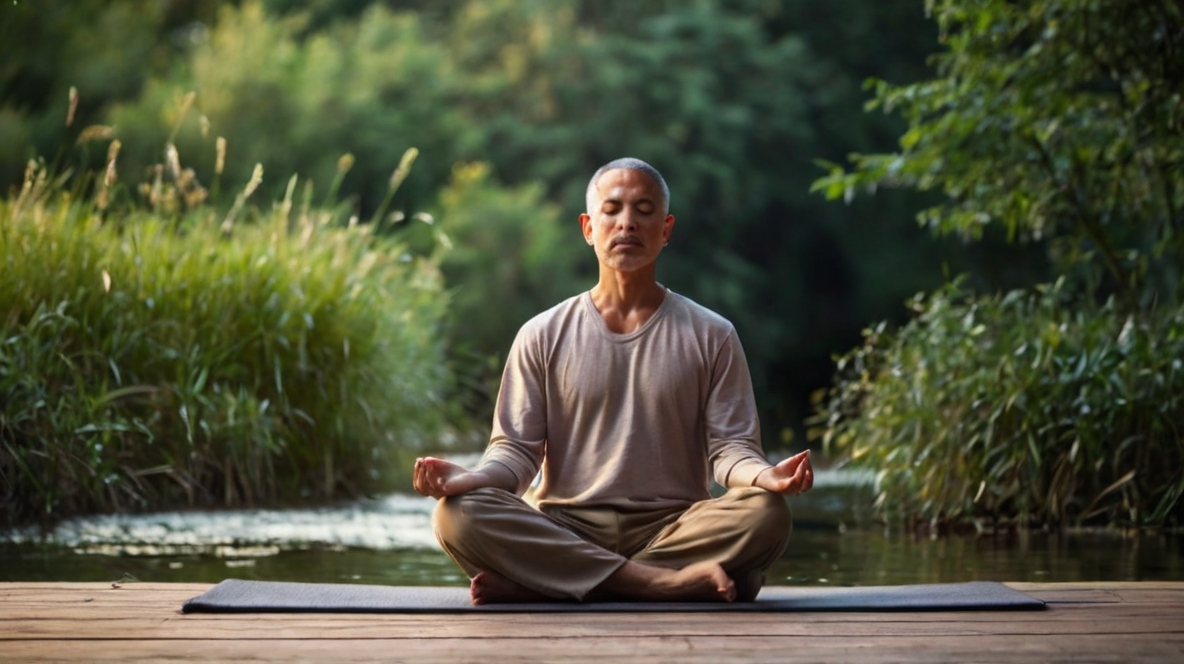
In today’s fast-paced world, stress and anxiety are more prevalent than ever. People are constantly searching for ways to manage their mental health and find a sense of peace amidst the chaos. One of the most effective and accessible practices for achieving this balance is mindfulness meditation. In this beginner’s guide, we will explore what mindfulness meditation is, how it can benefit your mental health, and how to get started on your journey.
What is Mindfulness Meditation?
Mindfulness meditation is a practice that involves focusing your attention on the present moment, while calmly acknowledging and accepting your thoughts, feelings, and bodily sensations. It’s about being fully present and engaged with whatever is happening around you, without judgment. This practice can be done in various ways, including sitting in silence, focusing on your breath, or engaging in mindful activities like walking or eating.
Why Mindfulness Meditation is Essential for Mental Health
Research has shown that mindfulness meditation can significantly improve mental health by reducing stress, anxiety, and depression. When you practice mindfulness, you train your brain to focus on the present rather than getting caught up in worries about the past or future. This can lead to a more positive outlook on life and an overall sense of well-being.
Moreover, mindfulness meditation has been found to enhance emotional regulation, increase self-awareness, and promote a more compassionate and empathetic mindset. For those struggling with mental health issues, these benefits can be life-changing, offering a natural and holistic approach to improving mental wellness.
Getting Started: A Beginner’s Guide to Mindfulness Meditation
If you’re new to mindfulness meditation, it’s important to start slow and be patient with yourself. Here’s a simple step-by-step beginner’s guide to help you get started:
- Find a Quiet Space: Choose a peaceful spot where you won’t be disturbed. This could be a quiet room in your home, a park, or any place where you feel comfortable.
- Sit Comfortably: You can sit on a chair, cushion, or directly on the floor. The key is to find a position that allows you to sit upright with your spine straight, but without feeling tense.
- Focus on Your Breath: Close your eyes and start to focus on your breath. Notice the sensation of the air entering and leaving your nostrils or the rise and fall of your chest.
- Acknowledge Thoughts: As you meditate, your mind will inevitably wander. This is normal. When you notice your thoughts drifting, gently bring your focus back to your breath. Don’t judge yourself or your thoughts—simply acknowledge them and return to your breathing.
- Start with Short Sessions: As a beginner, it’s a good idea to start with just 5-10 minutes of meditation each day. As you become more comfortable with the practice, you can gradually increase the duration.
- Be Consistent: Consistency is key when it comes to mindfulness meditation. Try to set aside time each day for your practice, even if it’s just a few minutes.
Tips for Maintaining Your Mindfulness Meditation Practice
- Set Realistic Goals: Don’t pressure yourself to meditate for long periods right away. Start small and gradually increase the time as you get more comfortable.
- Use Guided Meditations: If you’re struggling to meditate on your own, consider using guided meditations. There are many apps and online resources available that can help you stay focused and provide structure to your practice.
- Be Patient: Remember that mindfulness meditation is a journey. You may not see immediate results, but over time, you will likely notice improvements in your mental health and overall well-being.
- Incorporate Mindfulness into Daily Activities: You don’t have to limit mindfulness to formal meditation sessions. Try to be mindful during everyday activities, such as eating, walking, or even brushing your teeth. This can help reinforce the practice and make it a natural part of your daily life.