




















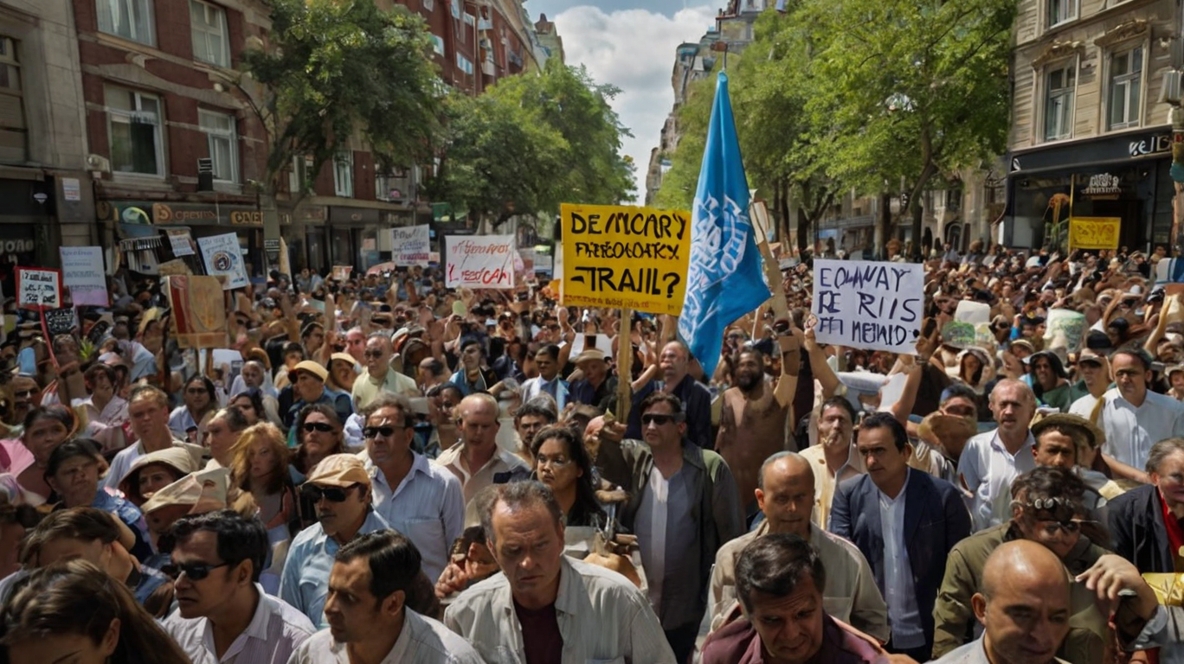
In recent years, Is Democracy in Crisis? A Look at Recent Global Trends have surged across the globe. With a noticeable tilt toward authoritarianism and a decline in democratic norms, political observers and citizens alike are asking: Is democracy failing? What global political trends are fueling this shift? Let’s explore the underlying factors, notable examples, and what the future may hold for democratic governance.
The Global Decline of Democracy
Democracy, once considered the most stable and fair form of governance, is facing unprecedented challenges. According to the latest reports from Freedom House and the Economist Intelligence Unit, the number of countries experiencing democratic backsliding has increased for the 17th consecutive year.
From electoral manipulation to the erosion of judicial independence and press freedom, the signs are clear: democracy is under threat.
Authoritarianism on the Rise
A key driver of the democracy crisis is the steady rise of authoritarian regimes. Leaders in countries like Russia, China, and even some democratically elected governments have consolidated power, weakened institutional checks, and curtailed civil liberties under the guise of stability or national security.
These regimes often leverage nationalism, misinformation, and fear to justify repressive policies, sideline opposition, and silence dissent. This trend isn’t limited to one region—it’s a global phenomenon affecting Latin America, Asia, Africa, and parts of Europe and North America.
Notable Political Trends Behind the Shift
Several political trends are contributing to the crisis in democracy:
-
Populism: Charismatic leaders presenting themselves as the voice of “the people” often undermine democratic institutions once in power.
-
Polarization: Deepening political divides have made consensus-building and trust in democratic processes increasingly difficult.
-
Digital Authoritarianism: The use of technology for surveillance, censorship, and propaganda is helping authoritarian regimes maintain control.
-
Electoral Manipulation: Even in ostensibly democratic nations, gerrymandering, voter suppression, and disinformation are undermining fair elections.
Case Studies: Democracy at Risk
-
India: Once hailed as the world’s largest democracy, India has seen growing concerns over press freedom, minority rights, and institutional independence.
-
Turkey and Hungary: Both have shifted dramatically toward authoritarian governance under the prolonged rule of strongmen leaders.
-
United States: The January 6 Capitol insurrection and ongoing debates over election legitimacy highlight the fragility of even well-established democracies.
Is There Hope for Democratic Resilience?
Despite the grim outlook, there are signs of resistance and resilience. Pro-democracy movements in Myanmar, Iran, and Belarus show that citizens are willing to risk everything for freedom. Civil society organizations, independent media, and judicial institutions continue to push back against authoritarian overreach in many countries.
Global cooperation, education on democratic values, and robust civic engagement are key to reversing the current trend.