




















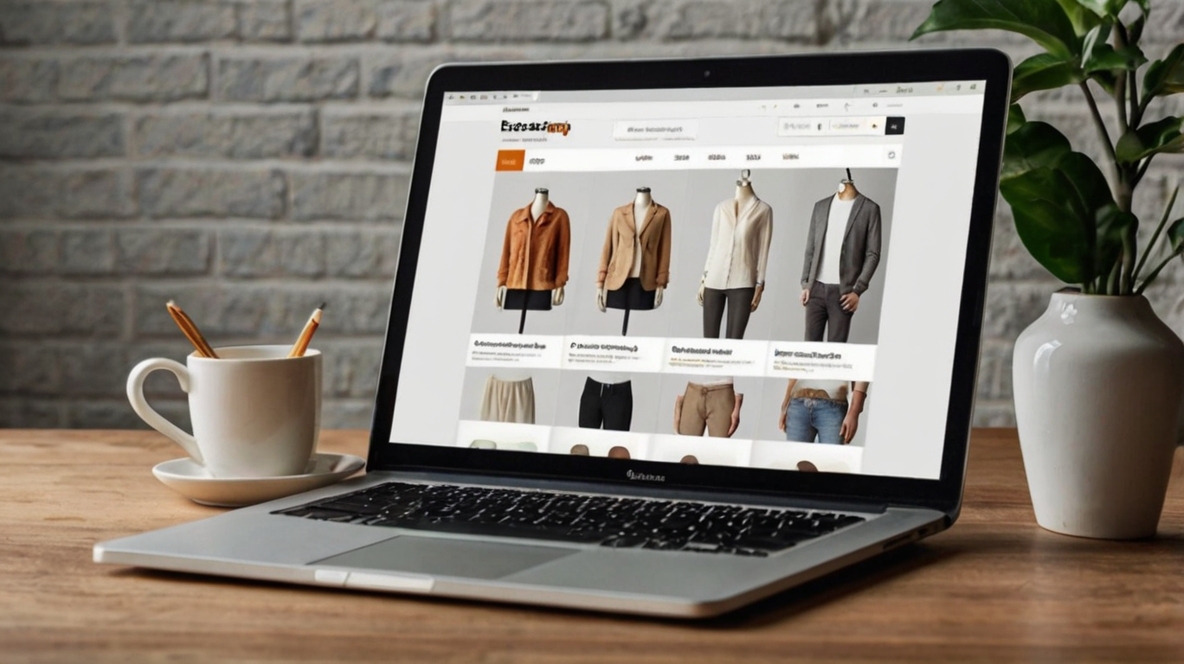
Launching a successful e-commerce startup in 2024 is more attainable than ever, thanks to advancements in technology, shifting consumer behaviors, and emerging trends in the online marketplace. With the global e-commerce industry projected to grow exponentially, entrepreneurs are presented with lucrative opportunities to start profitable online businesses. If you’re looking to tap into this booming market, follow these essential steps and keep an eye on key trends to ensure your startup thrives in the competitive digital landscape.
1. Identify a Niche Market
The foundation of any profitable e-commerce startup is selecting the right niche. Avoid trying to be everything to everyone; instead, focus on a specific market with a targeted audience. Some profitable niche ideas for 2024 include:
- Sustainable and eco-friendly products
- Health and wellness items
- Personalized goods
- Subscription boxes
Conduct market research to understand customer needs, identify competitors, and assess demand. Tools like Google Trends, SEMrush, and social media analytics can provide valuable insights into trending products and consumer preferences.
2. Build a User-Friendly Website
Your website is the core of your e-commerce business, and its design and functionality play a crucial role in converting visitors into paying customers. Here’s what you should focus on:
- Mobile Optimization: With more consumers shopping via smartphones, mobile-friendly design is critical.
- User Experience (UX): Ensure easy navigation, fast load times, and clear call-to-action (CTA) buttons to streamline the purchase process.
- SEO Optimization: Optimize your site for search engines by integrating relevant keywords, creating high-quality content, and ensuring technical SEO best practices are in place.
Platforms like Shopify, WooCommerce, and BigCommerce are popular options for building a robust e-commerce site.
3. Choose the Right E-Commerce Business Model
Before launching, decide which e-commerce business model best suits your needs. The most common models include:
- Dropshipping: A low-risk model where you sell products without holding inventory. Suppliers handle fulfillment and shipping.
- Private Labeling: Selling products under your own brand by sourcing them from a manufacturer.
- Subscription-Based: Offering products or services on a recurring basis, which ensures consistent revenue.
- Digital Products: Selling downloadable products such as ebooks, courses, or software.
Each model has its pros and cons, so consider factors like startup costs, logistics, and scalability when making your decision.
4. Leverage Social Media and Influencer Marketing
Social media is a powerful tool for driving traffic to your e-commerce site and building brand awareness. In 2024, platforms like Instagram, TikTok, and YouTube will continue to dominate, especially for product discovery and purchase decisions. Here’s how to make the most of social media:
- Run Targeted Ad Campaigns: Use platforms like Facebook Ads and Google Ads to reach your ideal customers.
- Engage Influencers: Collaborate with influencers or micro-influencers in your niche to promote your products to their audience.
- Create Authentic Content: Share user-generated content, behind-the-scenes videos, and product tutorials to connect with your audience.
5. Focus on Customer Experience and Retention
Acquiring new customers is essential, but retaining them is key to building a sustainable e-commerce business. A high level of customer service and an excellent shopping experience will keep customers coming back. Here’s what you can do:
- Personalized Marketing: Use data analytics to personalize product recommendations and email marketing campaigns.
- Loyalty Programs: Offer rewards or discounts to repeat customers.
- Responsive Customer Support: Provide multiple channels for customer support (e.g., live chat, email, phone) to handle inquiries and issues quickly.
6. Capitalize on E-Commerce Trends for 2024
To stay ahead of the competition, it’s important to adapt to evolving e-commerce trends. Here are some trends to watch in 2024:
- AI and Automation: Automating customer service (e.g., chatbots) and using AI for personalized shopping experiences will improve efficiency and customer satisfaction.
- AR/VR Shopping Experiences: Augmented and virtual reality will allow customers to “try on” products digitally, offering a more immersive shopping experience.
- Sustainability: Environmentally-conscious consumers are looking for brands that prioritize sustainable practices, such as eco-friendly packaging and carbon-neutral shipping.
- Voice Search Optimization: As voice assistants become more popular, optimizing for voice search can help you capture traffic from customers using smart speakers to shop online.
7. Monitor Key Metrics and Optimize
Once your e-commerce startup is up and running, continually monitor performance metrics to identify areas for improvement. Key metrics to track include:
- Conversion Rate: The percentage of visitors who make a purchase.
- Customer Acquisition Cost (CAC): How much you spend to acquire each customer.
- Customer Lifetime Value (CLTV): The total revenue generated by a customer throughout their relationship with your brand.
- Cart Abandonment Rate: The percentage of customers who add items to their cart but leave without completing the purchase.
Use tools like Google Analytics, Shopify Analytics, and email marketing platforms to gather data and adjust your strategies accordingly.