




















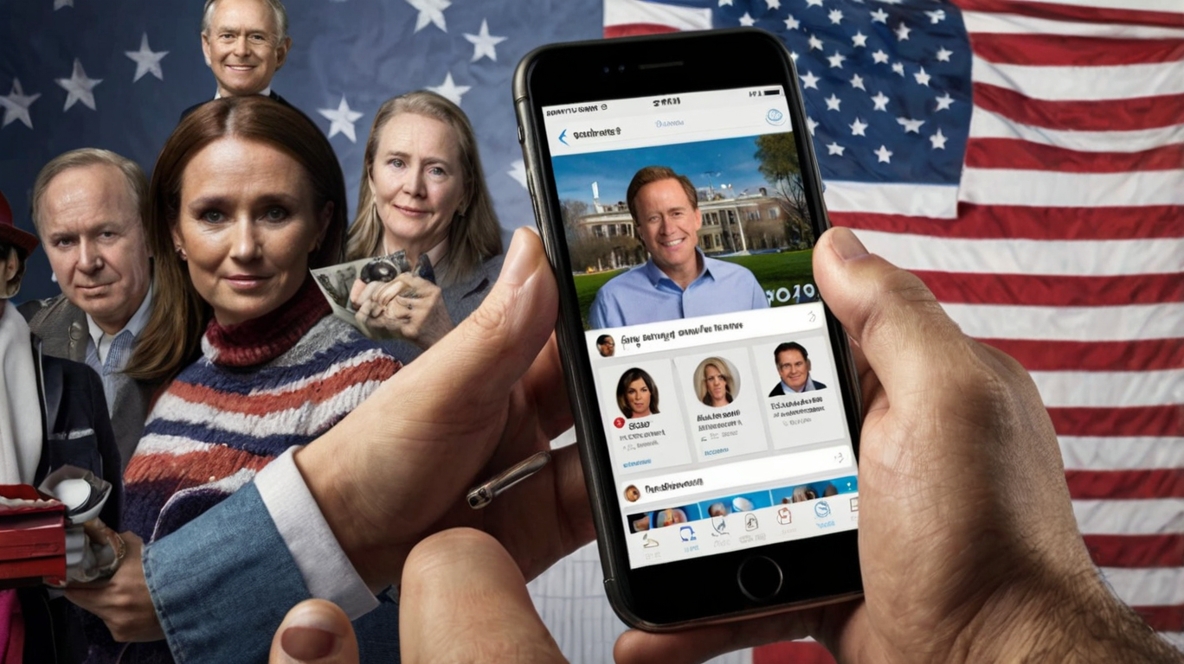
In today’s hyper-connected world, political campaigns are no longer confined to TV ads, billboards, and town halls. With the explosive growth of platforms like Twitter, Facebook, Instagram, and TikTok, social media influence has become a critical factor in shaping the strategies and outcomes of modern elections. From real-time engagement to viral messaging, the shift to digital politics is revolutionizing how candidates connect with voters, raise funds, and influence public opinion.
The Rise of Social Media in Politics
Social media emerged as a powerful political tool during Barack Obama’s 2008 presidential campaign, marking the dawn of a new era in political communication. Since then, platforms have evolved into vital channels for political messaging, voter outreach, and campaign organization. Politicians now have the power to bypass traditional media and speak directly to their audience, 24/7.
Direct Voter Engagement
One of the most profound shifts in political campaigns is the ability to engage directly with voters. Candidates can now:
-
Respond to constituent questions in real-time,
-
Share behind-the-scenes content,
-
Conduct live Q&A sessions,
-
Deliver campaign promises unfiltered by the press.
This creates a sense of intimacy and transparency, which often leads to stronger voter loyalty.
Data-Driven Strategies and Micro-Targeting
Thanks to data analytics, social media platforms offer campaigns granular insight into voter behavior. Using this data, political teams can:
-
Tailor ads for specific demographics,
-
Test messaging across different audience segments,
-
Use retargeting strategies to maximize voter conversion.
These digital politics tactics make it possible to deliver highly personalized content, enhancing effectiveness and engagement.
Virality and the Power of Memes
Going viral is the holy grail of modern campaigning. A single meme or video can reach millions overnight, spreading messages faster than any traditional medium. While this offers tremendous reach, it also brings risks—misinformation and out-of-context clips can just as easily derail a campaign.
Fundraising and Mobilization
Social media platforms also double as powerful fundraising tools. Small-dollar donations through platforms like ActBlue have been boosted significantly by social sharing. Additionally, organizing grassroots movements and mobilizing volunteers has never been easier through social channels.
Challenges and Ethical Concerns
While social media influence enhances accessibility and engagement, it also presents ethical challenges:
-
The spread of fake news and misinformation,
-
Foreign interference and bot-driven campaigns,
-
Algorithmic biases that may skew public discourse.
These issues highlight the need for regulation and greater transparency in digital politics.
The Future of Political Campaigning
As technology advances, the integration of AI, augmented reality, and real-time analytics will further reshape political landscapes. Future campaigns will likely depend even more heavily on digital tools to build community, raise awareness, and mobilize action.